

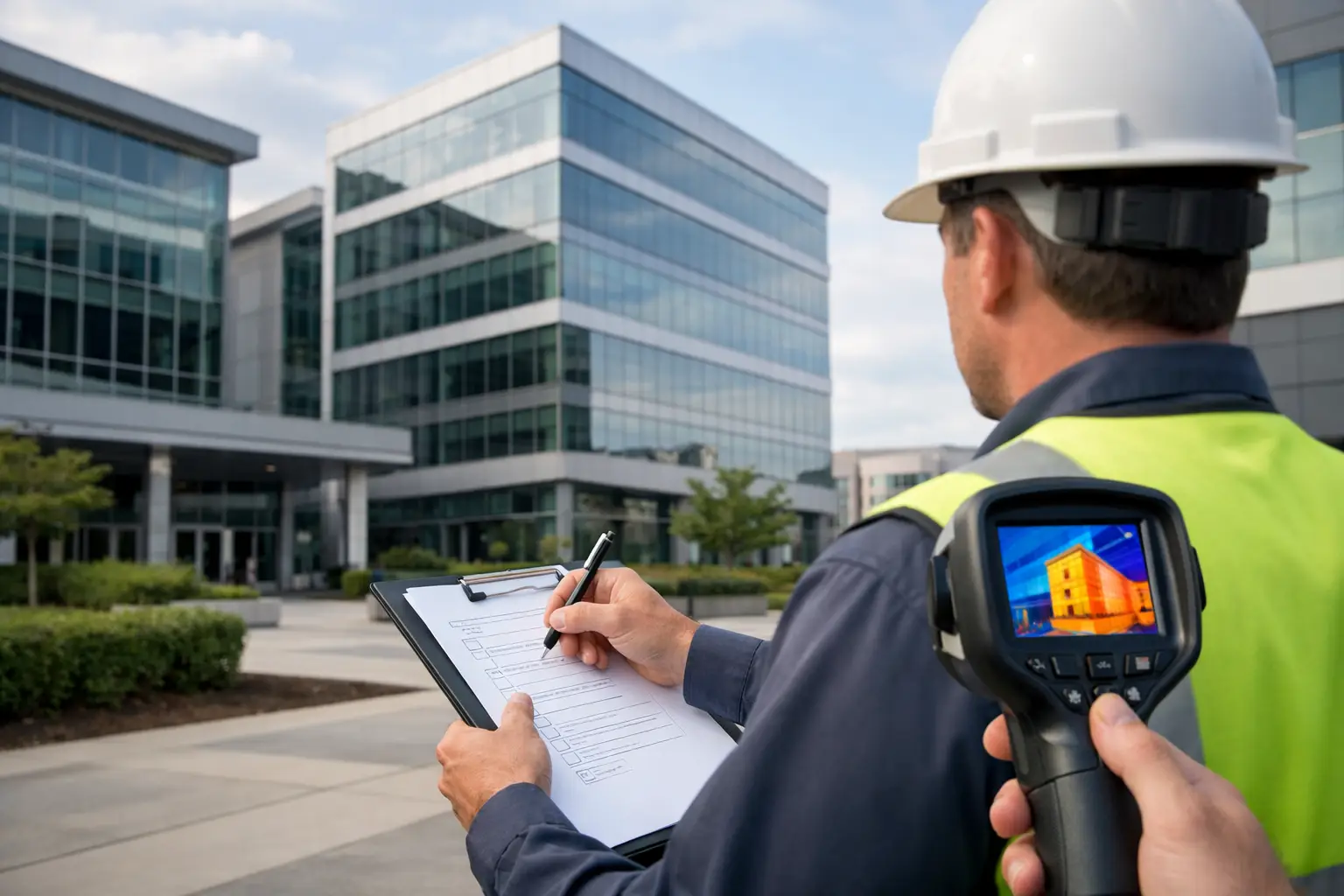
If you are typing commercial building inspections near me into a search bar, chances are the clock is already ticking. Maybe you are under contract, weighing a lease, or trying to understand whether a property is worth more investment. At that point, a commercial inspection is not just another box to check. It is one of the clearest ways to reduce financial surprises before you commit.
A commercial property can look serviceable during a walkthrough and still have expensive issues hiding in plain sight. Roof leaks may only show up as minor staining. Electrical problems may be tucked behind panels and fixtures. Drainage concerns can seem cosmetic until water starts moving toward the foundation. The goal of a good inspection is not to create alarm. It is to give buyers, owners, and real estate professionals a factual picture of condition, risk, and likely repair needs.
What commercial building inspections near me should actually include
Not every inspection is equally thorough. When people search for commercial building inspections near me, they are often comparing providers based on availability or price alone. Those factors matter, but scope matters more.
A commercial building inspection should evaluate the major systems and components that can affect safety, usability, and cost. That usually includes the structure, roofing, exterior surfaces, site drainage, plumbing, electrical, HVAC, doors, windows, and visible signs of movement or deferred maintenance. Depending on the building type, it may also include common areas, walkways, parking surfaces, and observations about life-safety concerns that are visible at the time of inspection.
The right inspection is practical. It focuses on the components most likely to affect ownership decisions, negotiations, repair budgets, and occupancy planning. In a small office building, that might mean paying close attention to HVAC age, roof condition, and electrical updates. In a retail or mixed-use property, it may also mean looking closely at drainage patterns, accessibility issues, and signs of long-term water intrusion.
Why local experience matters in commercial inspections
A commercial building in the Texas Hill Country has its own set of realities. Heat puts stress on roofing materials and HVAC systems. Soil movement can affect foundations and slab performance. Seasonal storms can expose drainage weaknesses around the building perimeter. These are not abstract concerns. They are some of the most common ways a manageable property turns into an expensive one.
That is why local experience matters when choosing an inspector. A provider familiar with area conditions is better positioned to spot the difference between routine wear and a pattern that may point to larger trouble. They also understand how local construction practices, property age, and climate can influence what gets flagged.
This does not mean every older building is a bad investment. It means older systems need to be evaluated in context. A twenty-year-old roof may still have service life left, or it may be near the end. A foundation crack may be minor shrinkage, or it may be part of a broader movement pattern. A level-headed inspector helps you separate what needs immediate attention from what simply needs monitoring.
What an inspection can reveal before you buy
The value of a commercial inspection is often clearest when it changes the conversation before closing. A report may show that the building is generally sound, but the roof has active leak points, the HVAC equipment is aging out, and electrical panels have safety concerns that should be addressed. None of that automatically kills a deal. It gives you leverage, clarity, and a basis for planning.
For buyers, that can mean renegotiating price, requesting repairs, or adjusting reserve budgets. For investors, it may affect projected returns and capital improvement timing. For owners, it may confirm whether the property can support the next phase of use without immediate major spending.
Some findings are straightforward. A damaged downspout, an inoperative receptacle, or visible plumbing leaks are easy to understand. Others require more judgment. Uneven floors, recurring patch repairs, roof ponding, or repeated signs of moisture intrusion can point to underlying issues that deserve attention even if the exact repair method falls outside the scope of a standard inspection.
That is where clear reporting matters. The best reports do not inflate ordinary maintenance into a crisis. They explain what was observed, why it matters, and what kind of follow-up may be appropriate.
Cost matters, but cheap inspections can get expensive
Commercial clients are right to ask about pricing. Inspection fees are part of due diligence costs, and budgets are real. But there is a practical difference between saving money and buying less information than you need.
A lower-cost inspection may come with limited scope, rushed site time, or a report that says very little beyond broad observations. That can leave buyers with a false sense of confidence. By contrast, a thorough inspection that identifies major cost drivers early can protect far more money than it costs.
The better question is not just what the inspection fee is. It is what you are getting for that fee. Ask how the property will be evaluated, how long the inspector expects to be on site, what systems are included, and when the report will be delivered. In many transactions, fast turnaround matters because decision windows are short. A detailed report delivered within 24 hours can keep the process moving while still giving you something useful to act on.
Choosing between inspectors when time is short
Most clients are not choosing between ten inspectors. They are choosing between two or three names that appear credible and available. In that situation, look for signs of steadiness rather than salesmanship.
Experience matters because commercial buildings rarely present textbook conditions. The inspector should be able to identify major defects, communicate in plain language, and keep findings proportional. That balance is especially important when real estate agents, buyers, and sellers are all working under deadlines. Reports should support informed decisions, not create confusion.
It also helps to ask how the inspector handles communication. Some clients want a phone call after the inspection. Others want a straightforward written report first. Either way, the process should feel clear. You should know what is being inspected, what is outside the scope, and how concerns will be documented.
For many buyers in Marble Falls and surrounding areas, that combination of experience, punctuality, and factual communication is exactly what makes the difference. Howson Inspections has built its reputation around that kind of clarity, especially for clients who need real answers without unnecessary drama.
Common issues found in commercial buildings
Commercial properties vary widely, but certain issues come up again and again. Roof deficiencies are common, especially where repairs have been layered over time. HVAC systems often show age-related wear, poor maintenance, or performance limitations. Plumbing defects may include leaks, outdated fixtures, drainage concerns, or evidence of long-term moisture problems.
Electrical issues are another major category. Unsafe wiring conditions, panel concerns, missing protection, or improvised modifications can create both safety and insurance headaches. Structural observations may include cracking, movement, deteriorated supports, or signs that drainage has affected the building over time.
Many of these issues are manageable if caught early. That is one reason buyers and owners benefit from inspections even outside of a purchase. If you already own the property, an inspection can help prioritize repairs before problems spread or tenant complaints increase.
When to schedule a commercial building inspection
The best time is as early as practical in your due diligence period. Waiting too long compresses your options. If major concerns show up late, you may have less room to negotiate, less time for specialist review, and more pressure to make a fast decision.
Early scheduling also helps if the property needs follow-up by a roofer, electrician, HVAC contractor, or engineer. A general commercial inspection is often the first step in identifying where deeper evaluation may be warranted. That does not mean every issue needs a specialist. It means you want enough time to bring one in when the findings justify it.
For owners who are not buying or selling, timing often comes down to planning. If you are budgeting for improvements, evaluating an aging building, or trying to prevent larger maintenance costs, a commercial inspection can give you a more grounded starting point.
A commercial property does not need to be perfect to be a sound investment. It does need to be understood. The right inspection helps you see past the surface, weigh the real condition of the building, and move forward with clearer expectations.