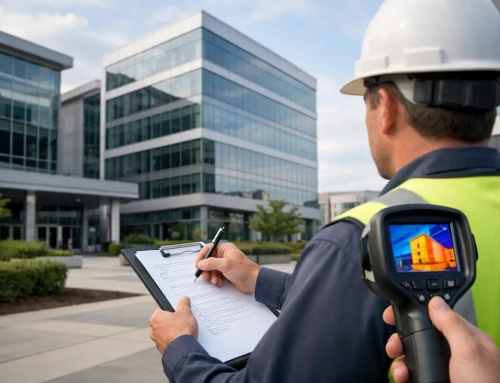

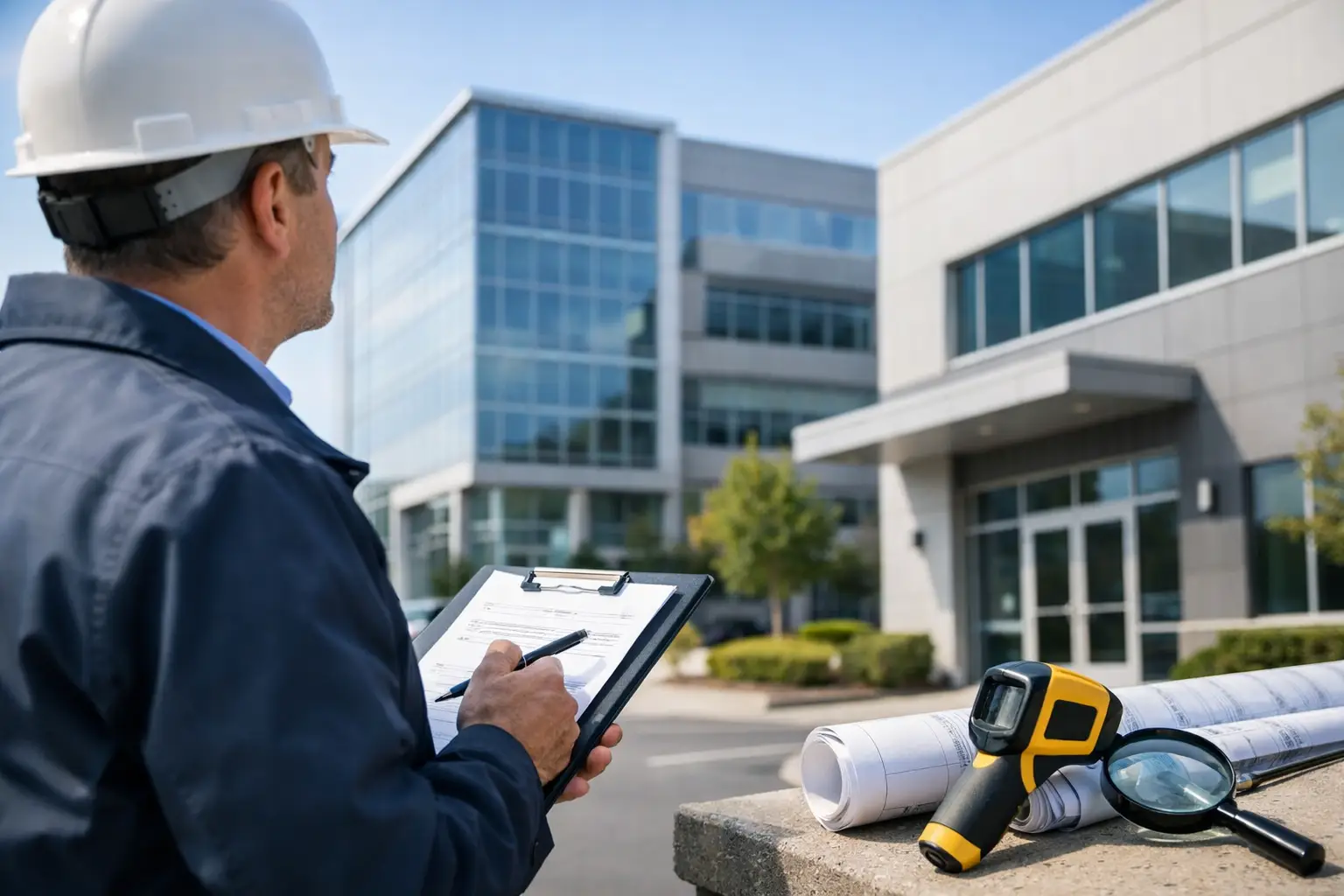
A commercial deal can look solid on paper and still hide expensive problems in the roof, electrical system, drainage, or foundation. That is why commercial property inspections matter so much. Before a buyer commits, the inspection helps answer the question that really drives the decision: what condition is this building actually in, and what could it cost after closing?
For investors, business owners, and real estate professionals, that answer affects more than peace of mind. It shapes pricing, repair negotiations, maintenance planning, lender conversations, and whether a property makes sense at all. A good inspection does not create panic. It creates clarity.
What commercial property inspections are really for
Commercial property inspections are comprehensive visual evaluations of a building and its major systems. The goal is to identify material defects, deferred maintenance, safety concerns, and signs that larger repairs may be approaching. In practical terms, the inspection helps buyers and owners make decisions based on facts instead of assumptions.
That distinction matters. An inspection is not the same as a municipal code inspection, a full engineering study, or a contractor bid. It is a broad, experienced look at the property as it stands on the day of the visit, with attention focused on conditions that can affect cost, usability, and safety.
For a small office building, retail space, warehouse, or mixed-use property, that often includes the roof, exterior, structure, grading and drainage, foundation performance, parking areas, plumbing, electrical components, HVAC equipment, and visible interior conditions. The right inspector also pays attention to patterns. A single ceiling stain may be old. Multiple stains below roof penetrations suggest a leak history worth taking seriously.
Why buyers should not rely on appearance alone
Commercial buildings can present well and still have significant defects. Fresh paint, cleaned flooring, and updated fixtures may improve appearance without addressing the systems that cost the most to repair. A rooftop unit near the end of its service life will not always announce itself. Drainage problems may only become obvious after heavy rain. Electrical issues often sit behind panel covers and in aging components most people never examine closely.
That is where experience matters. A seasoned inspector knows the difference between ordinary wear and signs of a larger problem. Just as important, the findings need to be communicated in a way that is useful. Buyers need to know what is defective, why it matters, and where further evaluation or repair may be appropriate. They do not need exaggerated language that turns a manageable issue into unnecessary alarm.
What a thorough commercial property inspection typically covers
The exact scope depends on the building type, age, size, and access, but most commercial property inspections center on the components most likely to affect value and future expense.
Structure and foundation
Inspectors look for movement, cracking, sloping, separation, and other visible indicators that the structure may not be performing as intended. In the Texas Hill Country, soil movement and drainage conditions can play a major role in foundation performance. Not every crack means structural failure, but patterns and severity matter.
Roofing and exterior envelope
Roof problems are among the most expensive surprises in commercial ownership. An inspection looks for signs of active leakage, patching, drainage issues, damaged materials, failed flashing, and deterioration around penetrations. Exterior walls, doors, windows, and sealants also matter because water intrusion often starts there.
Electrical systems
Commercial electrical defects can affect both safety and insurability. Inspectors evaluate visible service equipment, panels, breakers, wiring conditions, and signs of overheating or improper modifications. The goal is to identify unsafe conditions and aging components that deserve attention.
Plumbing systems
Leaks, poor water pressure, drainage concerns, outdated materials, and evidence of prior plumbing failures can all shape the cost of ownership. In some buildings, what looks like a minor plumbing issue may point to a broader maintenance problem.
HVAC equipment
Heating and cooling systems are major budget items, especially in Texas. Inspectors assess visible condition, approximate age, operation at the time of inspection, and signs of deferred maintenance or failing performance. A unit that still runs may still be near replacement.
Site conditions and drainage
The building is only part of the risk. Grading, surface drainage, paving, trip hazards, and signs that water moves toward the structure all deserve attention. Drainage issues can contribute to moisture intrusion, foundation movement, and long-term deterioration.
What an inspection can and cannot tell you
One of the most useful parts of commercial property inspections is setting realistic expectations. A strong inspection gives you a clear picture of visible conditions and likely concerns, but it is not a guarantee against every future issue. Some defects are concealed by finishes, storage, locked rooms, or inaccessible areas. Specialized systems may require additional experts.
That is not a weakness in the process. It is simply part of responsible due diligence. If the inspection identifies signs of structural movement, significant roof concerns, or questionable electrical conditions, the next step may be a roofing contractor, electrician, engineer, or other specialist. The inspection helps you know where to look deeper and where your money and attention should go first.
Commercial property inspections and negotiation
A good report is not just a list of defects. It is a tool for decision-making. Buyers often use inspection findings to renegotiate price, request repairs, plan capital expenditures, or decide whether to move forward. Real estate agents also benefit when the report is clear and measured because it supports productive conversations instead of escalating tension.
This is where communication style matters. Factual reporting helps everyone stay focused on the issue itself. If a property has an aging roof, known drainage concerns, and HVAC units nearing the end of service life, the value of the inspection is not in dramatic language. It is in describing those conditions plainly enough that the buyer can act on them.
Timing matters more than most buyers think
Commercial transactions often move quickly, and inspection timing can affect the entire due diligence period. If the inspection is delayed, buyers may lose valuable time to gather repair estimates, consult specialists, or revisit deal terms.
That is why prompt scheduling and fast report delivery matter. In many transactions, the inspection is only the first step. Once findings are in hand, buyers may need a short window to make decisions. A clear report delivered quickly keeps the process moving and gives buyers a fair chance to evaluate real costs.
What to look for in a commercial inspector
Not every inspector approaches commercial work the same way. Buyers should look for practical experience, dependable scheduling, and reporting that is easy to understand. The best fit is usually an inspector who knows how to identify major issues without overstating them.
Experience matters because commercial buildings are rarely simple. Older properties may have layered repairs, multiple system upgrades, and years of deferred maintenance hidden behind otherwise ordinary finishes. An inspector with long field experience is more likely to recognize those patterns and explain them in a useful way.
It also helps to choose an inspector who understands the local environment. In Central Texas, heat, heavy weather, drainage, and soil movement can all influence building performance. Those regional factors shape what deserves close attention.
For buyers in Marble Falls and the surrounding Hill Country, that practical, steady approach is exactly what Howson Inspections is built to provide: thorough evaluations, fast reporting, and clear communication centered on the facts that matter most.
When owners should schedule commercial property inspections
Buyers are not the only ones who benefit. Owners can also use commercial property inspections to plan maintenance, prepare for listing, assess aging systems, or document condition before a lease or renovation decision. In many cases, an inspection done before listing can reduce surprises later and help sellers address major concerns on their own timeline.
For long-term owners, inspections can also support budgeting. Knowing that a roof has active issues, a parking area is deteriorating, or several HVAC units are aging out helps prioritize spending before problems become more disruptive.
The real value is better decisions
Commercial property inspections are not about finding reasons to kill a deal. They are about understanding the deal clearly. Sometimes the report confirms that the property is in solid condition. Sometimes it shows a manageable list of repairs. Sometimes it uncovers enough cost or risk to justify renegotiation or a different purchase altogether.
Any of those outcomes can be the right one if the decision is based on reliable information. When the inspection is thorough, timely, and communicated with a level head, buyers can move forward with more confidence and fewer expensive surprises.
A building will always have a story. The point of the inspection is to make sure you hear the important parts before the paperwork is final.