
When a deal is moving fast, buyers usually want one clear answer: what do real estate inspectors look for, and what could change the decision to move forward? A good inspection is not about finding cosmetic flaws or creating alarm. It is about identifying the condition of the property, spotting material defects, and giving buyers, owners, and agents a factual picture of what they are dealing with.
That matters in Texas, where heat, shifting soil, heavy rain, and age can all affect a building in different ways. A thorough inspection helps uncover issues that may not be obvious during a showing, from roof leaks and drainage concerns to electrical hazards and foundation movement. The goal is simple – clearer decisions and fewer expensive surprises.
What do real estate inspectors look for during an inspection?
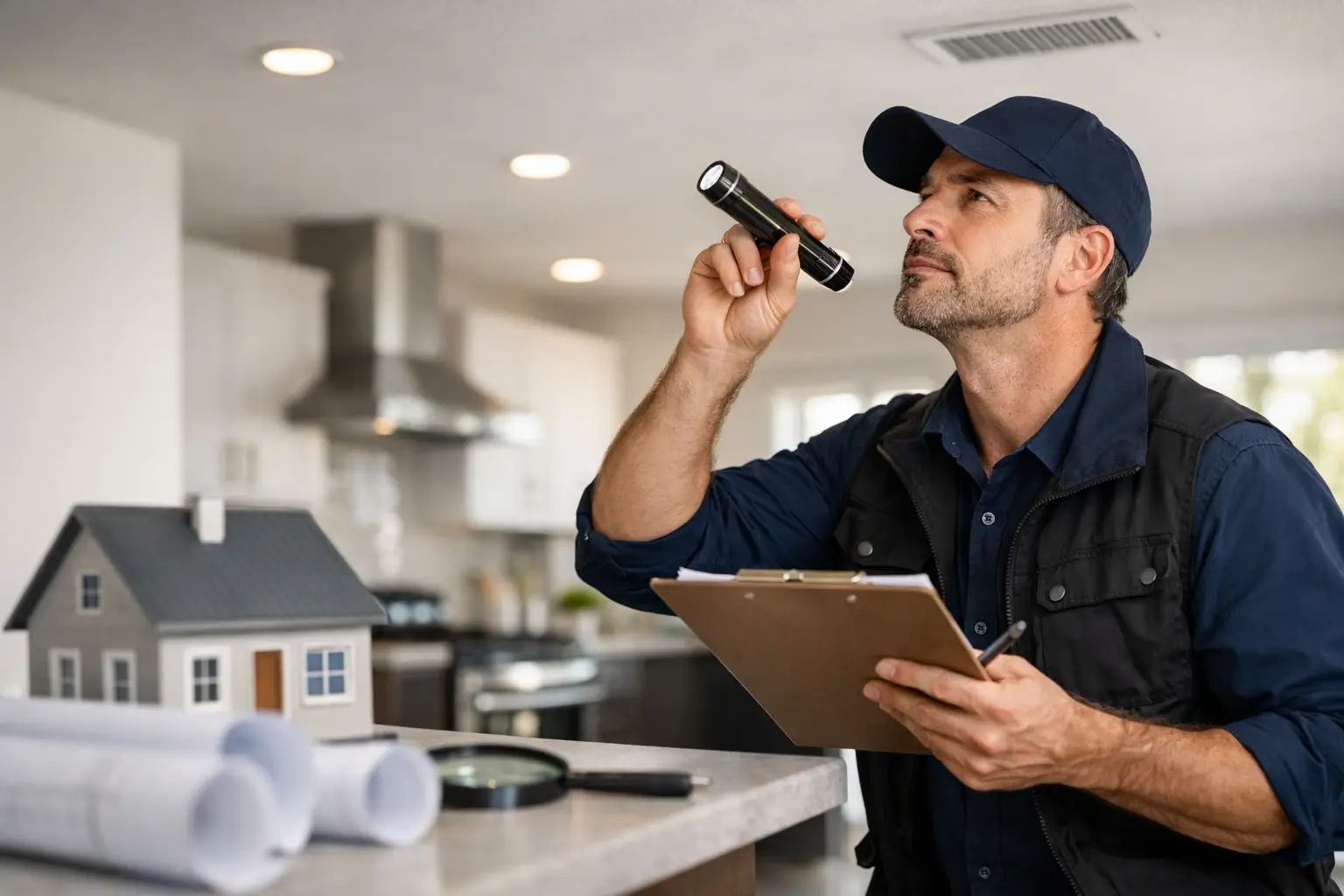
Real estate inspectors evaluate the major components and systems of a property that affect safety, function, and cost. They are not there to predict the future or open every wall, but they do look for visible signs of damage, wear, poor installation, and deferred maintenance.
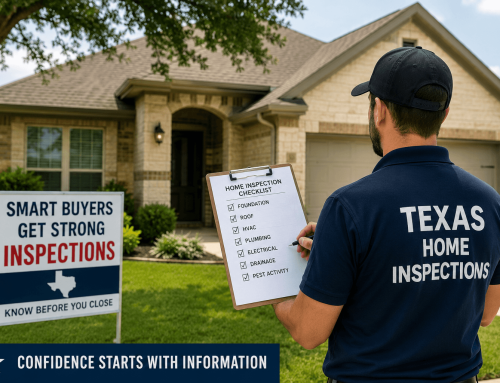
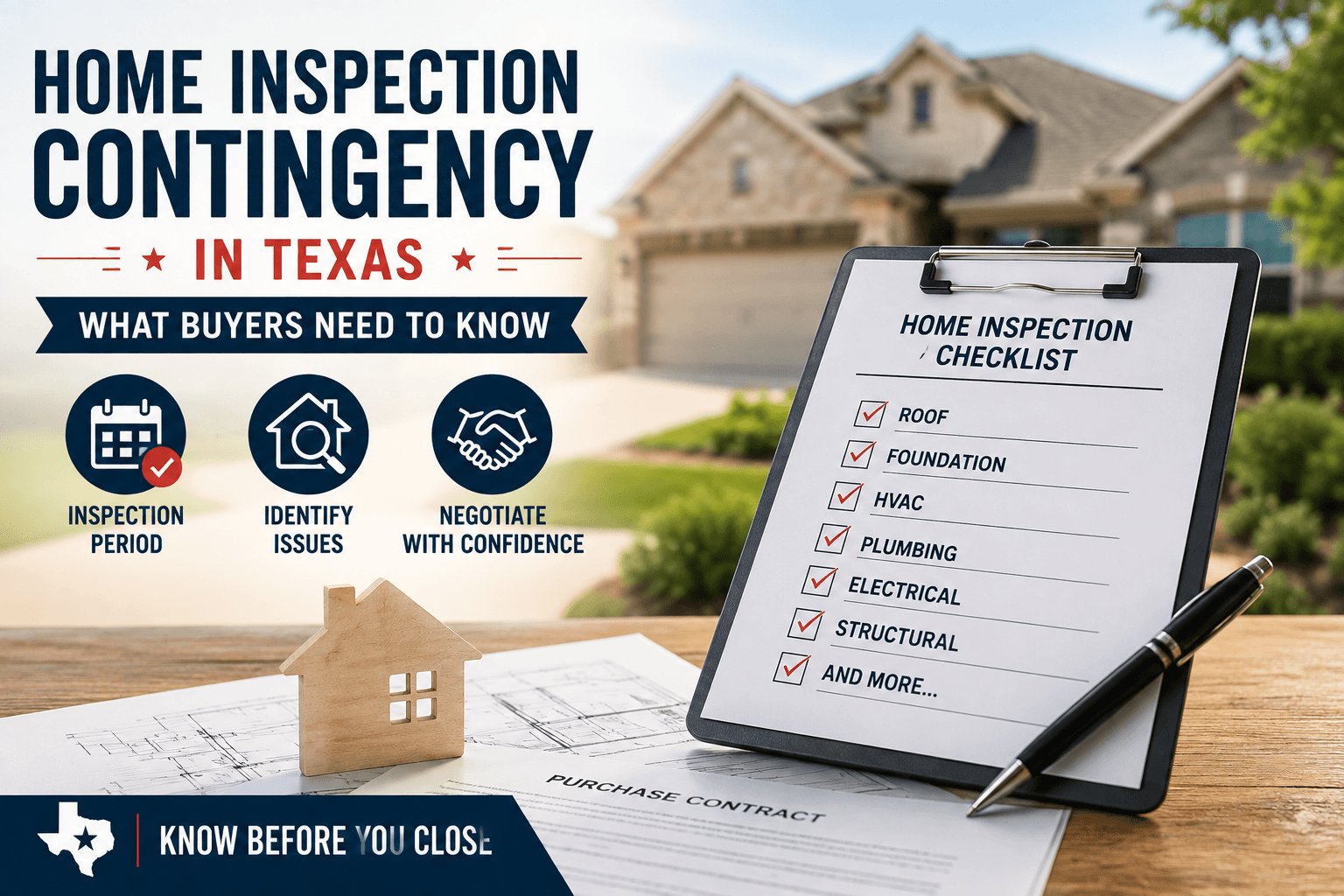
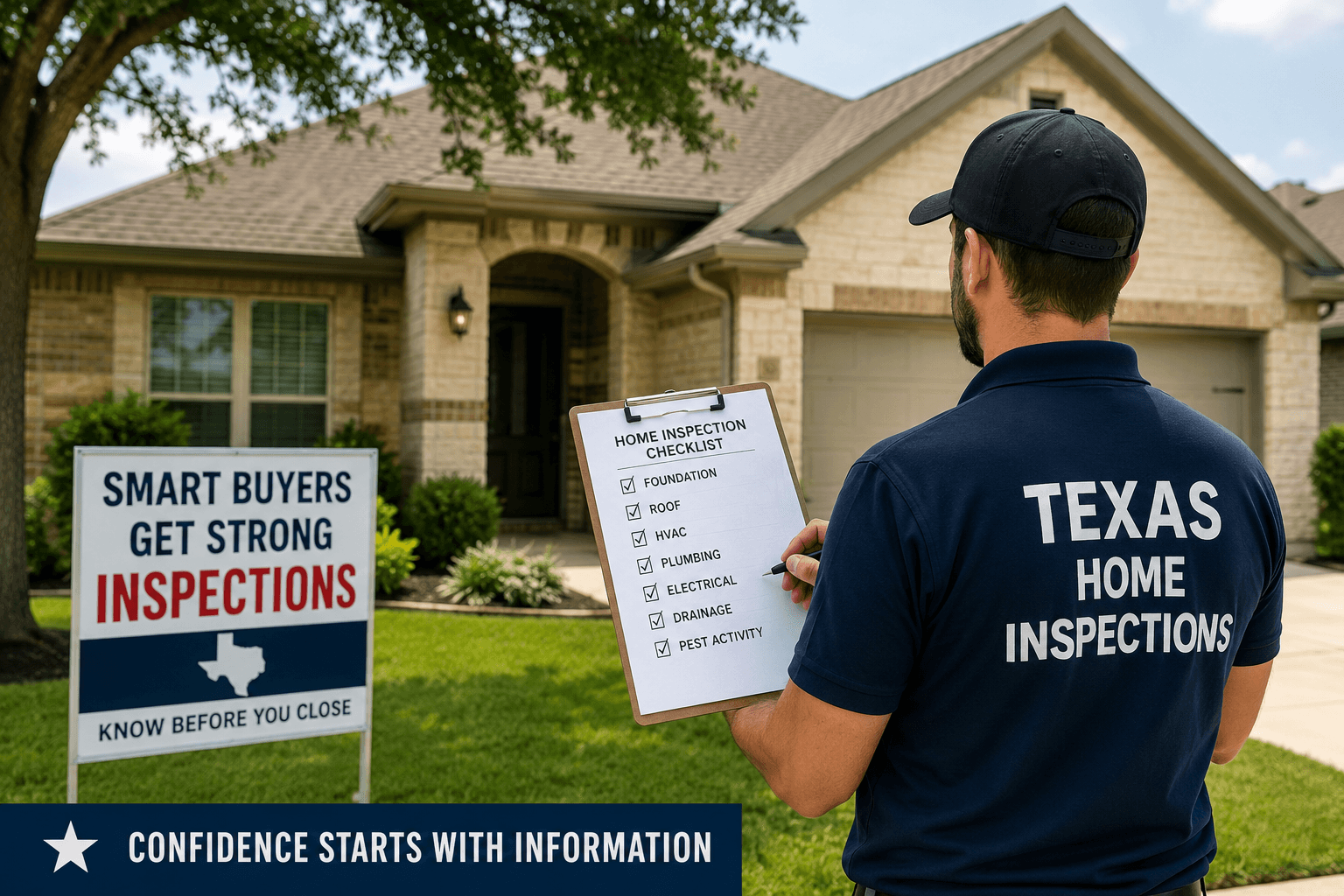
In most residential inspections, that means the inspector is assessing the structure, roof, exterior, interior, plumbing, electrical system, HVAC equipment, insulation, ventilation, and built-in appliances. For commercial properties, the scope may be broader or more specialized, depending on the building and the client’s needs.
The most useful inspections focus on issues that have real consequences. A scratched countertop may be worth noting to a buyer, but it is not in the same category as a failing roof, unsafe wiring, or a drainage pattern that sends water toward the foundation.
Structural movement and foundation concerns
In the Hill Country and other parts of Texas, foundation performance is often one of the first things buyers ask about, and for good reason. Soil movement, moisture changes, and drainage problems can all affect how a structure settles over time.
Inspectors look for signs such as cracks in brick or drywall, doors that stick, sloping floors, gaps around frames, and other indicators that may suggest movement. Not every crack means a serious structural failure. Houses settle, materials expand and contract, and some signs are minor. The inspector’s role is to document patterns and conditions that deserve attention, especially when they suggest ongoing movement or moisture-related stress.
This is one of those areas where context matters. A small cosmetic crack by itself may not be significant. Several symptoms appearing together can point to a larger issue.
Roofing and attic conditions
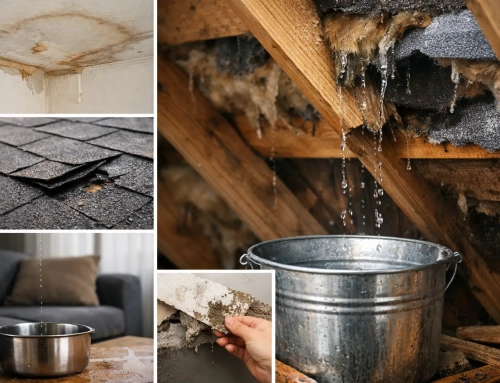
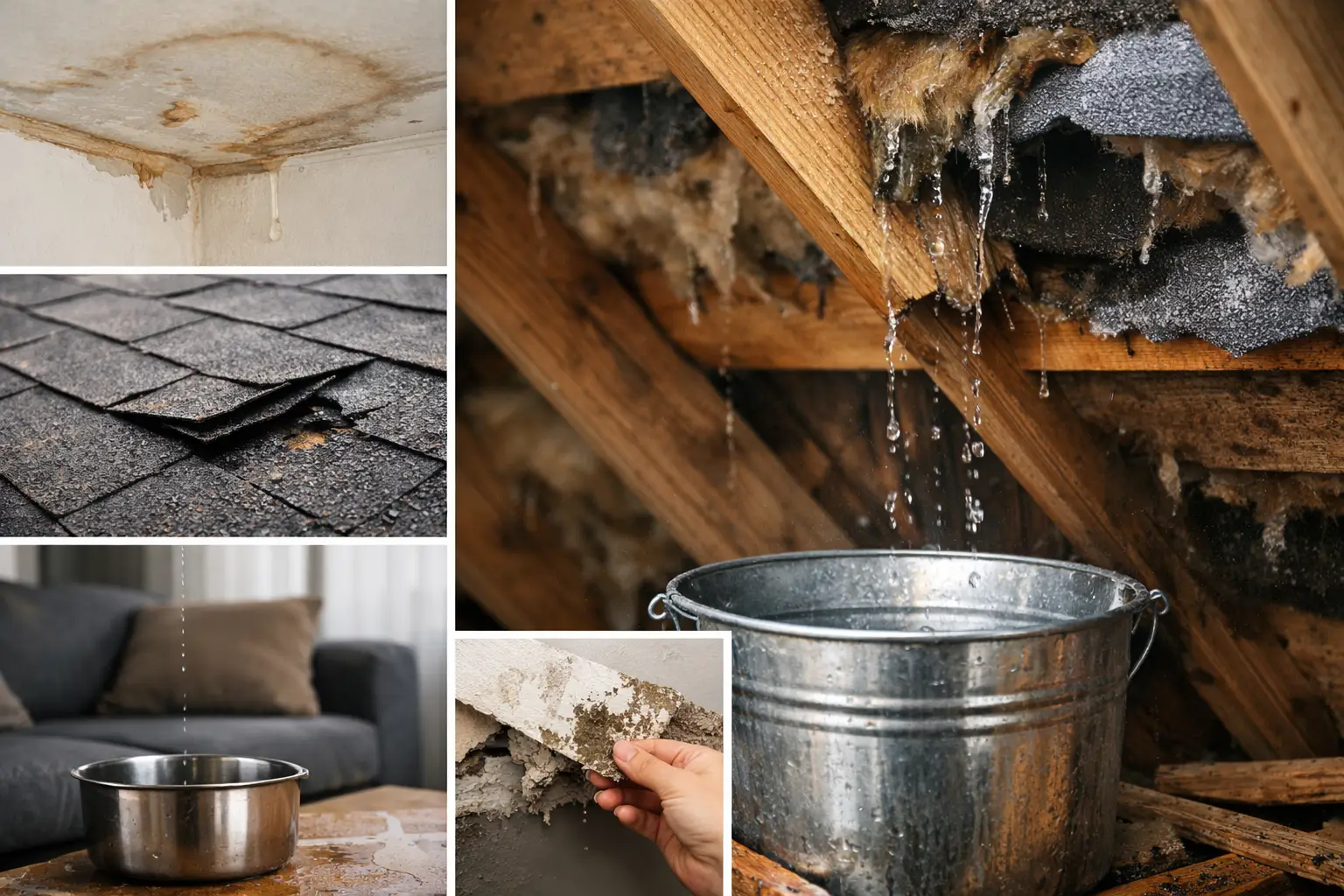
Roofs take a beating in Texas. Sun exposure, wind, hail, age, and previous repairs all affect how well a roof holds up. During an inspection, the roof is checked for visible damage, missing or deteriorated materials, signs of past patching, flashing problems, and conditions that could allow water intrusion.
The attic often tells the rest of the story. Inspectors look for water staining, signs of active leaks, inadequate ventilation, damaged framing, and insulation issues. A roof can look acceptable from the ground and still show evidence of moisture problems inside the attic.
Aging roofing materials are not always an immediate deal breaker, but they do affect budgeting. If a roof is near the end of its service life, a buyer should know that before closing, not after the first major storm.
Plumbing defects and water-related issues
Plumbing problems range from minor maintenance items to defects that can cause major damage. Inspectors check visible supply lines, drain lines, fixtures, water heaters, and evidence of leaks or corrosion. They also test plumbing fixtures for basic function and drainage performance.
Water damage is often just as important as the plumbing itself. Stains under sinks, soft areas around tubs or showers, damaged cabinetry, and signs of previous repairs can indicate a long-term issue. Inspectors also pay attention to water pressure concerns, improper materials, and installations that may not perform safely or reliably.
Outside the home, drainage matters too. If the grading slopes toward the structure or water tends to collect near the foundation, that can lead to bigger problems over time. In many inspections, poor drainage is one of the most important findings because it affects both structural performance and moisture control.
Electrical safety issues
Electrical problems are a common source of concern because they can create both safety risks and repair costs. Inspectors examine the main panel, visible wiring, outlets, switches, and fixtures. They look for overloaded circuits, improper wiring methods, missing safety devices, double-tapped breakers, damaged components, and other conditions that may need correction.
Older homes often deserve extra attention here. An electrical system may still function day to day while containing outdated or unsafe components. That does not automatically mean the whole house needs to be rewired, but it does mean buyers need a clear understanding of what is present and what should be evaluated or repaired.
This is also an area where a calm, factual report matters. The goal is not to overstate every issue. It is to identify conditions that are unsafe, deficient, or inconsistent with expected performance.
HVAC system age and performance
Heating and cooling equipment is expensive, so buyers usually want to know two things: does it work, and how old is it? Inspectors check the visible condition and basic operation of the HVAC system, including the thermostat response, temperature split, accessible ductwork, and signs of wear or poor maintenance.
An older unit may still be cooling properly on inspection day, but age still matters. Systems nearing the end of their expected life are more likely to need repair or replacement soon. That does not always justify stopping a transaction, but it should shape expectations and negotiation.
In Texas, HVAC performance is not a minor convenience issue. During long stretches of heat, a struggling system can become a budget problem very quickly.
Exterior materials, windows, and doors
The exterior is the property’s first line of defense against weather. Inspectors look at siding, trim, masonry, caulking, doors, windows, decks, walkways, and other exterior components for deterioration, damage, and installation issues.
They also pay attention to how these parts work together. A small gap around a window, deteriorated trim, or failed sealant may seem minor on its own, but over time it can allow moisture intrusion. Exterior defects often become interior repair bills if they are ignored long enough.
Garage doors and safety features are also checked when present. This includes testing auto-reverse features and looking for conditions that may create safety concerns.
Interior condition and visible defects
Inside the property, inspectors move room by room looking for visible signs of damage, unsafe conditions, and functional problems. That includes walls, ceilings, floors, stairs, railings, windows, and doors.
They are not judging decor or housekeeping. They are looking for cracked surfaces that may reflect movement, stains that may indicate leaks, damaged finishes that suggest moisture exposure, and safety issues such as missing handrails or trip hazards.
Sometimes the interior reveals patterns that connect back to bigger systems. A ceiling stain may point to a roof issue. A warped floor near a bathroom may suggest a plumbing leak. The inspection works best when these clues are considered together, not in isolation.
What inspectors do not look for
It helps to know the limits of the process too. A standard real estate inspection is primarily visual and non-invasive. Inspectors do not usually cut into walls, move heavy furniture, or guarantee that every concealed condition will be discovered.
They are also not performing a full code compliance inspection for the entire property, and they are not appraising value. Their job is to report on the observed condition of accessible systems and components at the time of the inspection.
That is why experience matters. The value is not just in checking boxes. It is in recognizing patterns, knowing which defects are routine and which deserve closer attention, and communicating findings clearly enough that clients can make informed decisions.
Why the report matters as much as the inspection
A thorough inspection only helps if the findings are explained well. Buyers and agents need a report that separates major concerns from smaller maintenance items and presents the facts without unnecessary panic.
That is especially important in active transactions. If a report is vague, exaggerated, or slow to arrive, it becomes harder to evaluate repair requests, pricing adjustments, or next steps. A clear report delivered quickly gives everyone a better chance to respond with confidence.
For that reason, many clients are not just asking what do real estate inspectors look for. They are also asking how those findings will be communicated. At Howson Inspections, the emphasis is on thorough evaluation, fast reporting, and plainspoken explanations that help people move forward with better information.
The best inspection does not tell you whether to buy a property. It gives you a reliable picture of what the property is telling you, so your next decision is based on facts instead of guesswork.