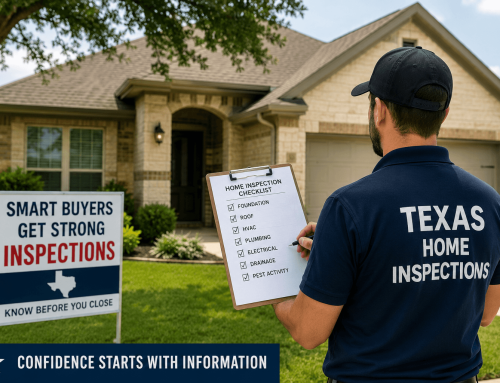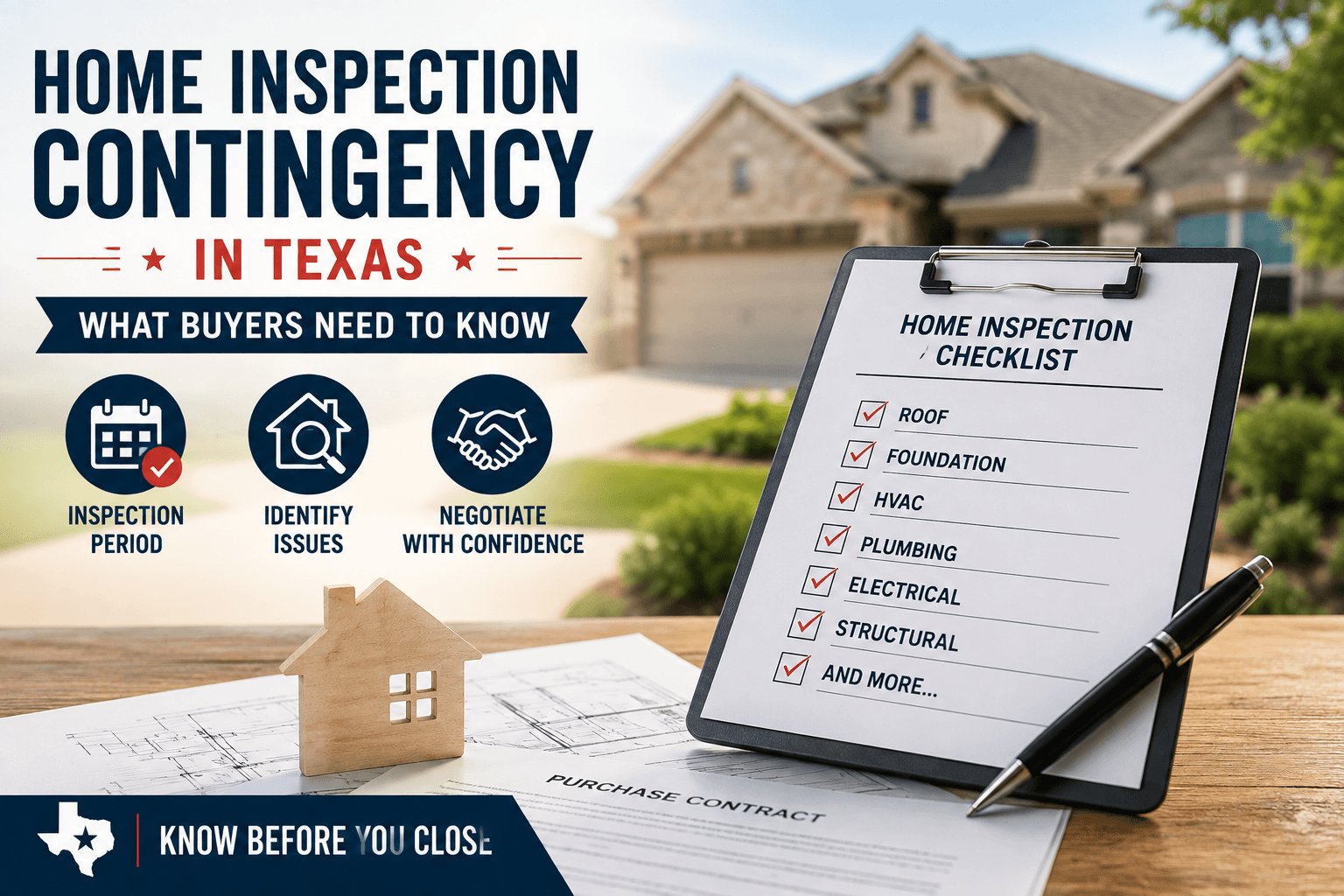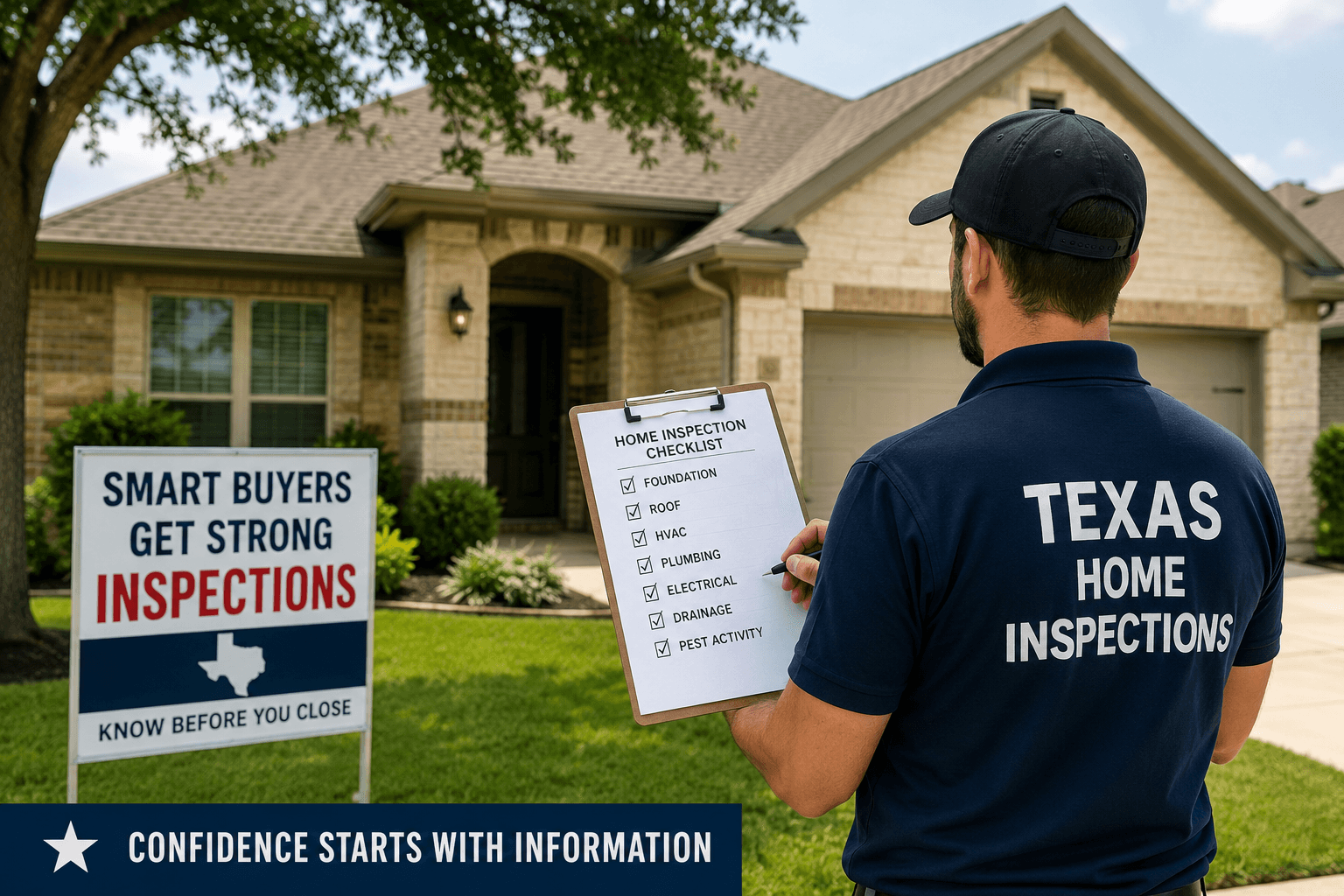


You are not crazy for being nervous about a Texas home inspection. You are about to commit a significant investment, and you want to know if the place is solid or a money pit in disguise. That is exactly what a good inspection is for. Clear information, no scare tactics.
This guide is written for three groups who all care about the same thing, no surprises after closing.
- First time buyers who have never seen an inspection report before and worry every note means disaster.
- Buyers already under contract staring at the option period clock and trying to figure out what actually matters.
- Real estate agents who are tired of deals falling apart over problems that could have been negotiated, repaired, or planned for.
Here is the no nonsense truth.
A Texas home inspection is not a pass or fail exam in the legal sense. The inspector does not stamp the house as good or bad. What really happens is this. The inspector documents conditions, then buyers, sellers, and agents decide what is a deal killer, what is negotiable, and what is just normal wear and tear.
The big questions everyone secretly has are simple.
- What actually fails a home inspection in practical terms.
- Which problems can you live with for now.
- Which ones you must address before you move in.
In Texas, certain issues show up again and again as the real deal breakers. Foundation movement, roof problems, serious electrical defects, and major plumbing issues. Those are the ones that can wreck a budget or create real safety risks. Everything else is usually noise that needs context, not panic.
Most inspections do not have to kill a deal. A strong inspection helps you do three things.
- Protect your investment by spotting expensive structural or safety problems.
- Give you leverage to negotiate repairs or credits instead of walking blindly into trouble.
- Set realistic expectations so you are not shocked when the house needs normal maintenance after closing.
If you want a deeper look at what an inspector actually covers, you can review the buyer tips on home inspection tips for buyers before you step into your next option period.
In the rest of this guide, you will see the same short list of big ticket problems come up again and again, along with clear guidance on which findings really matter and which ones you can stop losing sleep over.
Foundation Issues: Why They Are Among the Biggest Concerns
If you want to know what really scares buyers, sellers, and lenders in Texas, it is foundation problems. The soil in many parts of the state is reactive, it swells when wet and shrinks when dry, which means houses move. Some movement is normal. The trouble starts when that movement turns into real structural stress.
Common Foundation Problems Inspectors Look For
A Texas inspection will usually focus on a few key signs.
- Cracks in exterior brick, interior drywall, or slab surfaces that show movement or separation, not just hairline shrinkage.
- Uneven floors or doors that stick or swing on their own, which can signal the structure is out of level.
- Gaps and separations at window frames, door frames, or where walls meet ceilings.
- Drainage problems around the home that keep water against the foundation and stress the slab over time.
The inspector is not guessing. They are looking at patterns, locations, and severity, then comparing them to what is typical for a Texas home of that age and construction. If you want a deeper dive into timing and warning signs, you can review the guide on when to get your home foundation inspected.
What Foundation Issues Can Fail an Inspection
Major, active movement is what threatens deals. When an inspector sees significant distortion, wide cracks that appear to be growing, or clear signs that structural elements are stressed, the report will flag it as a serious concern. That often triggers one of three outcomes.
- The buyer walks, because the risk and cost are too uncertain.
- The contract pauses for an engineer or foundation contractor evaluation.
- The parties renegotiate around major repair work or adjustment in price.
On the other hand, minor imperfections usually do not kill a sale. Small, stable cracks, slight doors that need adjustment, or older cosmetic repairs around the slab are common and often treated as maintenance, not a red alert. An experienced inspector will spell out whether they see current movement, past movement that appears stable, or just normal Texas character.
Here is the bottom line. Foundation problems can be deal killers when the structure is still moving or the needed repairs look extensive. Cosmetic movement and minor cracks, especially in older homes, are often manageable with monitoring, drainage improvements, and routine upkeep rather than panic.
Roofing Problems: What Triggers Inspection Failures
The roof is one of the fastest ways a Texas inspection can go from calm to tense. Buyers worry about leaks. Sellers worry about insurance and big repair bills. Agents just want to know if this roof is a real problem or a negotiating point. A good inspection sorts that out without drama.
Roof Defects Inspectors Flag Most Often
On a typical Texas inspection, the roof section of the report focuses on a few key conditions.
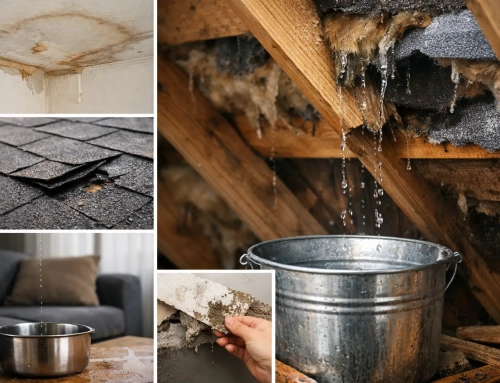
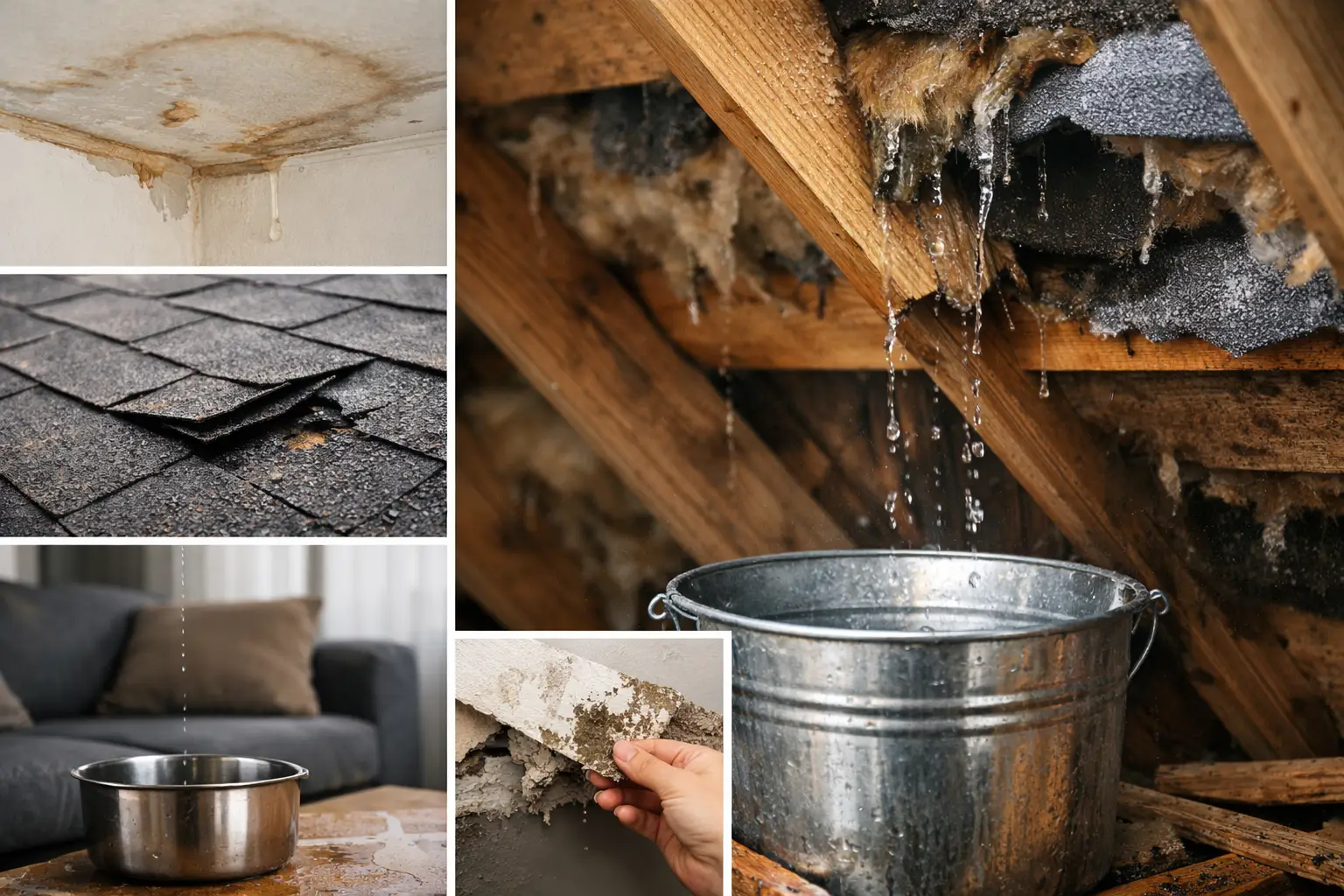
- Active or prior leaks, water stains on ceilings or in the attic, dark or soft decking, and moisture around roof penetrations.
- Missing or damaged shingles, cracked, curled, or loose coverings that leave the underlayment exposed.
- Aging materials, roofs at the end of their expected life with brittle surfaces, widespread granule loss, and weak flashing.
- Improper installation, poor flashing at chimneys or walls, sloppy nail patterns, or sloppy patch work.
- Drainage issues, clogged gutters, standing water on low slope sections, or runoff that dumps right at the foundation.
If you want a more detailed walk through of what a roof inspection covers, you can review the breakdown in this article on what inspectors look for on a roof.
When Roof Problems Threaten The Deal
Active leaks and roofs at the end of their life are the real deal killers. When an inspector finds ongoing water intrusion, deteriorated decking, or coverings that appear worn out across large sections, buyers start seeing dollar signs. Lenders and insurers can get picky about older or badly damaged roofs, which adds pressure to fix or replace, not ignore.
Significant hail or storm damage, large bare patches, or widespread failing shingles can also trigger strong language in the report. That often leads to repair bids, price negotiations, or seller paid replacement before closing.
Roof Issues That Usually Do Not Kill A Sale
Not every roof note is a crisis. In fact, most roof comments fall into the maintenance bucket.
- A few missing shingles that can be replaced.
- Minor flashing repairs around vents or chimneys.
- Gutters that need cleaning or minor re sloping.
- Older but serviceable roofing that still sheds water properly.
An experienced inspector will spell out if the roof is leaking now, likely to leak soon, or just aging normally. The first category can threaten a deal. The second and third usually lead to repair requests, a credit, or a buyer plan to budget for future replacement instead of walking away.
The roof matters for safety, comfort, and insurance, but it does not need to be perfect to close. You need clarity on whether you are dealing with a current failure, a near term expense, or routine upkeep. Once you know which one you have, the negotiation gets a lot less emotional and a lot more practical.
Electrical System Failures: Safety and Compliance Concerns
If there is one part of the house I refuse to sugarcoat, it is the electrical system. Water on the floor is annoying. Bad wiring can hurt someone. That is why inspectors treat electrical defects as serious, even when the house looks great in photos.
Electrical Problems That Raise Big Red Flags
On a Texas inspection, a few electrical findings jump straight into the “pay attention now” column.
- Faulty or damaged wiring, exposed conductors, overheated wires, loose connections, or amateur add ons that were never properly terminated.
- Outdated or unsafe panels, overloaded breaker panels, missing panel covers, double tapped breakers, or older equipment that no longer meets current safety expectations.
- Inadequate grounding and bonding, missing ground wires, loose or missing bonding on metal piping or equipment, and outlets that test as ungrounded.
- Improper GFCI and AFCI protection where current standards expect it, such as kitchens, bathrooms, exterior, garage, laundry, and bedroom circuits.
- Overheating or arcing signs, scorch marks, buzzing panels, or breakers that trip repeatedly under normal use.
If you want a deeper primer on how inspectors look at the electrical system as a whole, you can read the article on the electrical system in a home inspection.
Here is the plain truth. When an inspector calls something a fire or shock hazard, buyers, sellers, and agents need to treat it as a priority, not a line item to argue away.
What Electrical Issues Can Threaten A Deal
Some electrical defects are serious enough that buyers walk or lenders demand correction before closing.
- Obvious overheating in the service panel or main conductors.
- Extensive unprofessional wiring, such as multiple rooms fed by improvised splices or extension cord style “fixes”.
- Panels or equipment considered unsafe by many insurers, especially when combined with other defects.
- No effective grounding at the service, which can affect both safety and performance of modern equipment.
These conditions point to real risk, not just inconvenience. They usually lead to an electrician evaluation, repair quotes, and sometimes a pause in the transaction while everyone figures out the scope and cost.
Electrical Problems That Usually Do Not Kill The Sale
Here is where buyers often get scared for no reason. A lot of electrical comments fall into the “fix it, do not freak out” category.
- Loose or missing outlet and switch covers.
- Outlets that need GFCI or AFCI upgrades to meet current standards.
- Minor wiring corrections inside the panel, such as neutrals and grounds sharing terminals where they should be separated.
- Light fixtures that do not operate, often due to bulbs, minor wiring issues, or old fixtures at the end of their life.
These are safety and maintenance tasks, and they belong on a repair list, not a panic list. An electrician can usually correct them for a predictable cost, and many buyers negotiate to have this work done before closing or accept a credit.
The bottom line Electrical findings matter because they protect people, not just property. Major fire or shock hazards can absolutely derail a deal. Smaller issues like missing GFCI outlets, loose covers, or a few miswired devices are normal in older Texas homes and can be corrected without blowing up the contract, as long as everyone treats them with respect and gets a qualified electrician involved.
Plumbing Defects: Identifying Serious and Minor Issues
Plumbing problems make buyers picture soaked drywall and toilets backing up on move in day. Some issues really can blow up a budget. A lot of others are annoying but manageable. The key is knowing which is which before you start threatening to walk.
Plumbing Issues That Can Threaten A Deal
Active, concealed leaks are the big concern. When an inspector finds moisture under sinks, around tubs, behind toilets, or on ceilings below bathrooms, it points to ongoing water damage, not just a one time spill. Long term leaks can rot framing, buckle floors, and invite pests.
Damaged or failing pipes are another serious item. That can include visible corrosion, badly patched sections, missing supports, or older materials that show signs of frequent repairs. If the inspector sees staining, mineral buildup, or past leak marks along long runs of pipe, they will usually recommend further evaluation.
Drain and sewer problems matter too. Slow drains in multiple fixtures, frequent backup evidence at cleanouts, or strong sewage odor around the property can indicate blockages or damaged lines. That kind of issue can turn into a major repair, which is why inspectors call it out clearly.
On the supply side, very poor water pressure or big pressure swings can signal undersized lines, failing pressure regulators, or restricted pipes. If fixtures barely run or surge hard, inspectors treat it as more than a comfort complaint, since it affects daily use and can stress appliances.
These conditions do not automatically kill a deal, but they often lead to further testing, plumbing bids, and tough negotiation about who pays for what.
Plumbing Problems That Usually Do Not Kill The Sale
A lot of plumbing comments should go straight to the repair list, not the panic list.
- Dripping faucets and running toilets that waste water but are easy to rebuild or replace.
- Loose, aging, or cheap fixtures that work but need upgrading.
- Minor trap leaks under sinks that show up as a bit of dampness or staining in the cabinet.
- Isolated low flow at one or two fixtures when the rest of the house performs normally.
Inspectors also flag missing items such as drain stoppers, hose bib vacuum breakers, or access panels for tubs. These are code and convenience issues, not structural emergencies.
Here is the no drama approach. Treat plumbing findings in two buckets. Bucket one, anything with active leakage into walls, ceilings, or floors, major drain issues, or widespread pipe concerns goes to a licensed plumber right away. Bucket two, drips, worn fixtures, minor clogs, and small code upgrades are normal maintenance that you can negotiate or plan into your first year budget.
If you want a broader sense of how inspectors prioritize issues across the whole house, you can scan the main inspection tips on the blog for more context on major versus minor findings.
Other Potentially Concerning Issues That Often Do Not Kill a Deal
Once you get past foundation, roof, electrical, and plumbing, most of what fills an inspection report is minor or medium level concern, not deal killer. These items matter, but they usually fall into the “negotiate, plan, or maintain” category rather than “run for the exit”.
Cosmetic and Wear and Tear Items
Cosmetic damage almost never kills a Texas deal on its own.
- Worn paint, small drywall cracks, and nail pops.
- Scratched floors, chipped tile, or scuffed baseboards.
- Weathered exterior trim that needs caulk and paint.
These are signals that the house has lived a normal life. They belong on your to do list, not your emergency list. You can use them to negotiate a small credit or just budget for touch ups after closing.
Minor HVAC Concerns
Heating and cooling notes can look scary, but many of them are about maintenance, not failure.
- Dirty air filters and dusty return grills.
- Coils and blower assemblies that need cleaning.
- Older but working equipment that still heats and cools the house.
- Minor airflow issues in a room or two because of duct layout or balancing.
Inspectors will also call out missing or damaged insulation on refrigerant lines, or condensate drains that need cleaning or minor rerouting. These items rarely stop a closing. They are good reasons to plan an HVAC service visit, not a reason to blow up the option period.
Small Pest and Moisture Issues
Minor pest activity is common, especially in Texas. You may see notes about:
- Insect activity in exterior landscaping or around foundations.
- Old rodent droppings in the attic with no sign of current nesting.
- Small gaps at exterior penetrations that need sealing.
Same story with light moisture findings such as a little staining at old window leaks or minor caulk failure in showers. These conditions should be sealed, treated, or monitored, but they do not usually rise to “walk away now”. A good home maintenance routine or a pest service can handle most of them. For broader maintenance ideas, you can skim the seasonal tips in this inspection article.
How To Read These “Middle Tier” Findings
Here is the simple filter I use.
- If it affects structure or safety in a big way, treat it as a top tier issue.
- If it affects comfort, cosmetics, or convenience, treat it as a budget and punch list item.
Most of the “other” items live in that second bucket. They are normal for a lived in home. They are worth money in negotiation. They almost never need to kill a deal when everyone keeps perspective and uses the report as a planning tool, not a panic button.
Conclusion: Navigating Inspection Results with Clarity and Confidence
You have seen the pattern. The real “deal killers” in a Texas home inspection usually sit in four buckets, foundation, roof, electrical, and plumbing. When problems in those areas are severe, active, and expensive to correct, they can make a buyer walk or force a hard reset on the negotiation.
Here is the practical breakdown you should keep in your back pocket.
- Foundation is about movement and structure. Significant movement or active damage belongs at the top of the list.
- Roof is about water getting in. Active leaks or worn out coverings move the needle the most.
- Electrical is about fire and shock risk. Anything flagged as hazardous deserves fast attention.
- Plumbing is about hidden leaks and failing lines. Ongoing water damage or major drain issues can be expensive.
Everything else is usually noise that needs sorting, not panic. HVAC tune ups, cosmetic wear, older but working systems, small pest and moisture notes, and code upgrades all matter, but they rarely justify blowing up a contract on their own. They belong in repair negotiations, future maintenance plans, or buyer budgets.
A Simple Way To Use Any Inspection Report
When the report lands, stop scrolling in fear and sort each item into three buckets.
- Safety and structure foundation, major roof problems, serious electrical hazards, significant plumbing leaks or sewer issues.
- Function and comfort HVAC performance, window operation, insulation, moderate roof or plumbing repairs.
- Cosmetic and convenience paint, trim, minor cracks, worn finishes, small hardware and code details.
Bucket one is where you decide whether to walk, renegotiate hard, or bring in specialists. Buckets two and three are where you fine tune price, credits, and your first year to do list.
If you want help separating real problems from background noise, you can read more about how an inspector thinks in the article on the biggest problems usually found in inspections, or talk through your concerns directly using the contact form.
Here is the no drama truth for buyers and agents in 2026. A Texas home inspection is not there to kill your deal. It is there to light up the big ticket risks so you can make a clear decision. When you treat the report as a decision tool, not a verdict, you get what you actually need, a solid house, a fair contract, and a lot less stress on the way to closing.