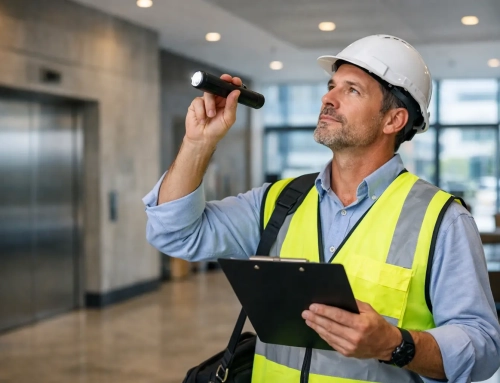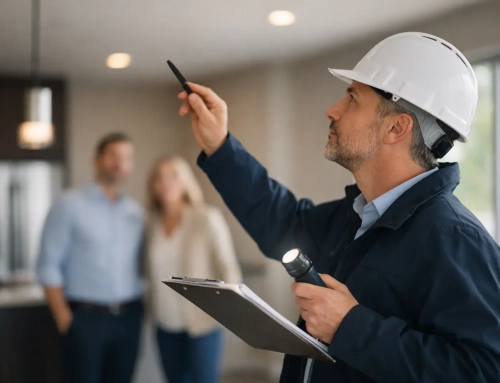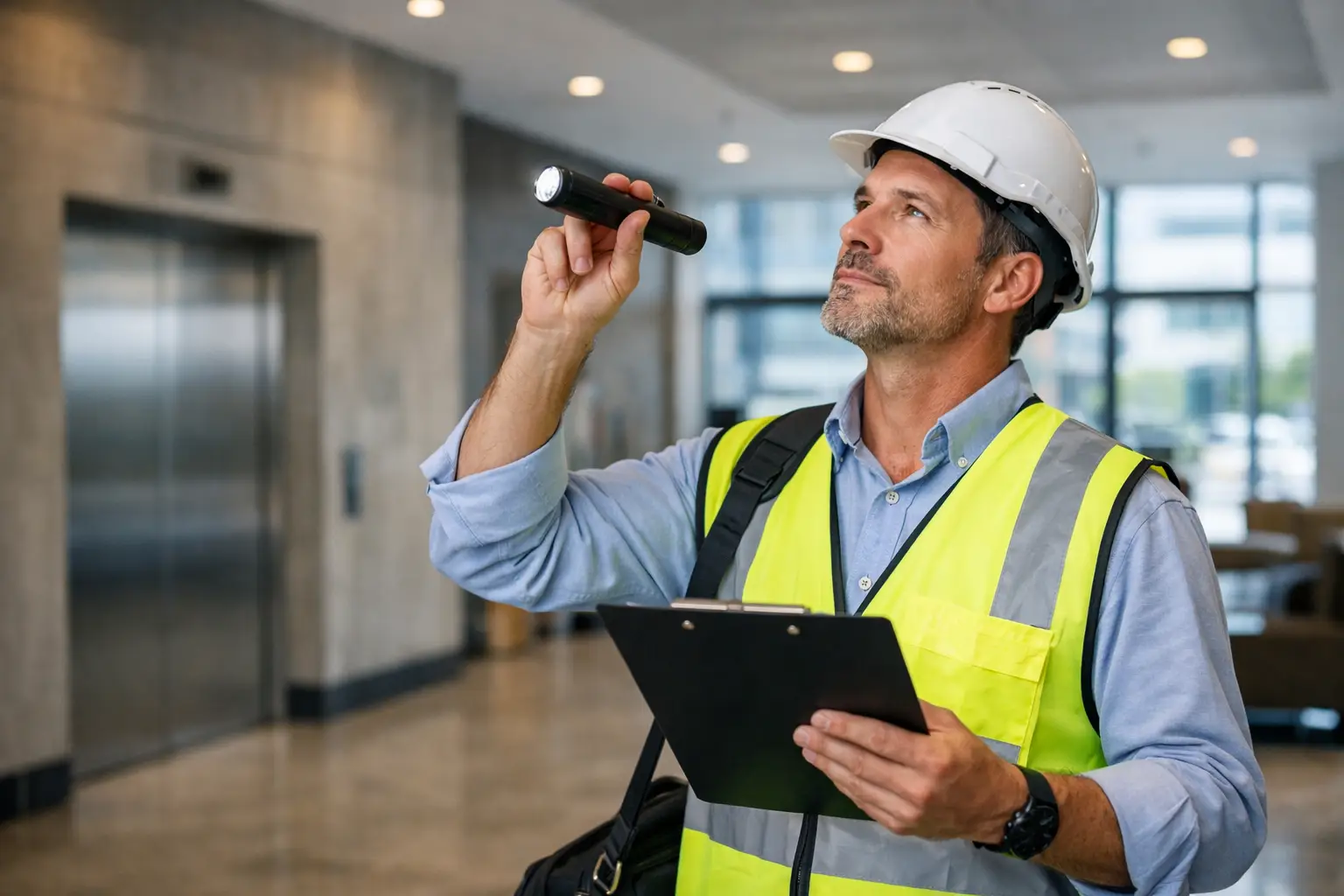


A retail strip center with a roof leak, an office building with aging HVAC equipment, or a warehouse with drainage problems can look workable at first glance. That is why buyers often ask, what is a commercial property inspector, and when should one be involved? In simple terms, this is the professional who evaluates the visible condition of a commercial building so buyers, owners, and real estate professionals can make decisions based on facts instead of assumptions.
A commercial property inspector is not there to derail a deal or stir up unnecessary concern. The job is to document the condition of major building systems, identify material defects, point out safety concerns, and explain where repair costs or further evaluation may be warranted. For anyone purchasing, leasing, managing, or investing in commercial real estate, that kind of clarity matters.
What is a commercial property inspector responsible for?
A commercial property inspector performs a broad, site-based evaluation of a building and its accessible systems. The scope is typically wider than many people expect because commercial buildings have more complexity than a typical home. Different occupancies, heavier use, larger roof areas, multiple electrical panels, and more demanding mechanical systems all raise the stakes.
The inspector’s responsibility is to assess the property’s current visible condition on the day of the inspection. That usually includes the structure, roof, exterior, site conditions, plumbing, electrical components, HVAC equipment, doors, windows, and interior spaces. If the property includes parking lots, drainage features, restrooms, service areas, or multiple tenant suites, those may also be part of the review depending on access and inspection scope.
The key word is visible. Commercial inspections are generally non-invasive. An inspector is not opening walls, performing engineering analysis, or guaranteeing future performance. Instead, the inspector is looking for evidence of existing defects, deferred maintenance, safety concerns, and signs that larger problems may be developing.
What a commercial property inspector actually looks for
Most clients are not hiring an inspector because they want a technical tour of the building. They want to know where the expensive problems are likely to be. A good commercial inspection keeps that priority in view.
Structural concerns
Inspectors look for signs of foundation movement, wall cracking, floor settlement, framing distress, and other indicators that a building may not be performing as intended. Not every crack is a major issue, and not every slope means failure. Context matters. What matters most is whether the condition suggests active movement, water intrusion, or a need for further structural review.
Roof condition and moisture intrusion
Roof defects are among the most costly surprises in commercial real estate. Inspectors look for ponding water, damaged coverings, failed flashing, patched areas, soft spots where accessible, and interior evidence of leaks. In a commercial setting, even a small roof problem can affect multiple units, inventory, equipment, or tenants.
Electrical safety and function
Commercial electrical systems deserve close attention. Inspectors review accessible panels, service equipment, visible wiring conditions, grounding and bonding concerns, and signs of overheating or unsafe modifications. The question is not just whether the lights come on. It is whether the system appears safe, serviceable, and appropriate for the building’s observed use.
Plumbing and drainage issues
Leaks, improper drainage, aging piping, and sewer-related concerns can create repair costs that are easy to underestimate. Inspectors evaluate visible supply and drain components, water heater condition where applicable, fixture operation, and site drainage patterns that may direct water toward the structure instead of away from it.
HVAC performance and age
Commercial HVAC systems are often expensive to replace, and many buyers inherit equipment that is already near the end of its service life. An inspector checks accessible units for general condition, operation, visible defects, and age when data is available. A system can be running during an inspection and still be a budget issue if it is old, poorly maintained, or showing signs of failure.
How commercial inspections differ from residential inspections
People who have purchased a home before sometimes assume a commercial inspection is basically the same process on a larger property. There is overlap, but the differences are significant.
Commercial properties tend to have more varied construction types, more specialized systems, and more complicated use patterns. A small office building and a light industrial warehouse are both commercial properties, but the inspection concerns may be very different. Occupancy type, maintenance history, tenant improvements, and building age all influence the inspection approach.
The reporting is often more decision-focused as well. Commercial buyers usually want clear information that helps them evaluate risk, budget for repairs, negotiate credits, or decide whether specialist follow-up is needed. The best reports do not rely on dramatic language. They prioritize material findings, explain the implications, and separate routine maintenance from larger concerns.
When to hire a commercial property inspector
The most common time to hire a commercial property inspector is during a purchase due diligence period. This gives the buyer time to understand the property’s condition before the transaction becomes final. If major issues are found, the inspection can support repair requests, pricing adjustments, or a more informed decision about whether to proceed.
Inspections are also useful before a lease commitment, especially when a tenant is taking on maintenance responsibility for all or part of the building. Property owners may schedule inspections before listing a building, before the end of a lease term, or as part of ongoing asset management. In each case, the value is the same: clearer information before costs become surprises.
In fast-moving transactions, timing matters. An experienced inspection company that communicates clearly and delivers findings promptly can help keep the deal moving without sacrificing thoroughness.
What is a commercial property inspector not doing?
This is where expectations need to stay realistic. A commercial property inspector is not acting as an engineer, surveyor, environmental consultant, code official, or contractor unless separately licensed and engaged for those roles. The inspection is not a guarantee that every defect will be discovered, and it is not a prediction of every future repair.
That does not make the inspection less valuable. It simply means the inspection is one part of smart due diligence. In some cases, the findings point to next steps such as roofing review, structural engineering, mold assessment, plumbing scoping, or HVAC specialist evaluation. Knowing when more review is needed is part of a good inspector’s job.
What to expect from the inspection process
A solid commercial inspection process should feel organized, clear, and practical. The property is scheduled, the scope is defined, the site is inspected, and a written report follows. That report should explain what was observed, where defects were found, and which issues deserve the most attention.
Buyers and agents often benefit most when the inspector is willing to explain findings in plain language. A report full of technical notes is not enough if the client still does not know what matters now, what should be budgeted for later, and what needs specialist review before closing.
That is one reason experienced local inspectors are valuable. In the Texas Hill Country, for example, drainage patterns, heat stress on roofing and HVAC systems, soil movement, and weather exposure can all influence property performance. A local inspector understands how those conditions commonly show up in commercial buildings and how to communicate the practical impact without overstating it.
Why the right inspector matters
Not all inspection reports are equally useful. Some overwhelm clients with minor notes. Others miss the larger story of the building. The right commercial property inspector balances detail with judgment.
That means focusing attention on defects that affect safety, function, and cost. It means being punctual, thorough, and factual. It also means communicating in a way that helps buyers and owners make sound decisions without creating confusion. For many clients, that steady approach is just as important as technical knowledge.
Howson Inspections takes that view seriously. Commercial clients need accurate information, fast reporting, and practical communication they can use during a real transaction, not inflated language that makes every issue sound catastrophic.
Choosing a commercial property inspector with confidence
If you are evaluating a commercial building, look for inspection experience, a clear scope of work, strong reporting, and communication that stays level-headed. Ask how quickly the report will be delivered, what systems are included, and how findings are prioritized. A good inspector should be able to answer those questions directly.
The best commercial inspections do not promise perfection. They provide something more useful: a reliable picture of the property’s visible condition at a critical moment. That kind of information can protect your budget, support negotiations, and help you move forward with far more confidence than a walk-through ever could.
When a building decision carries real financial weight, clear facts are a better foundation than guesswork.