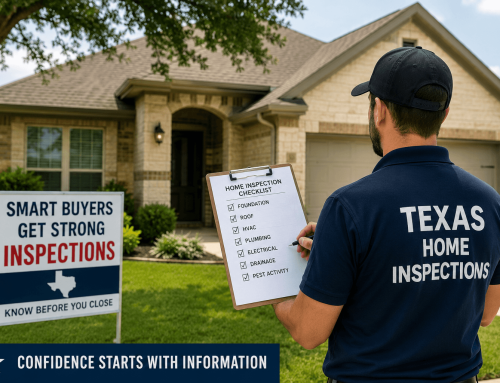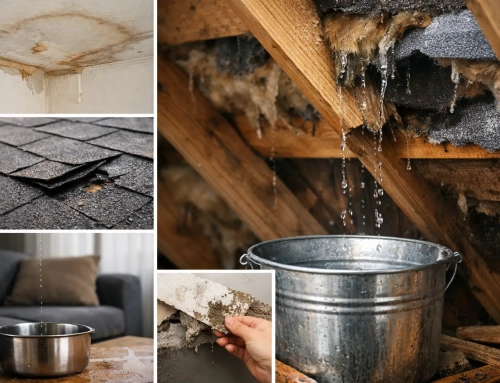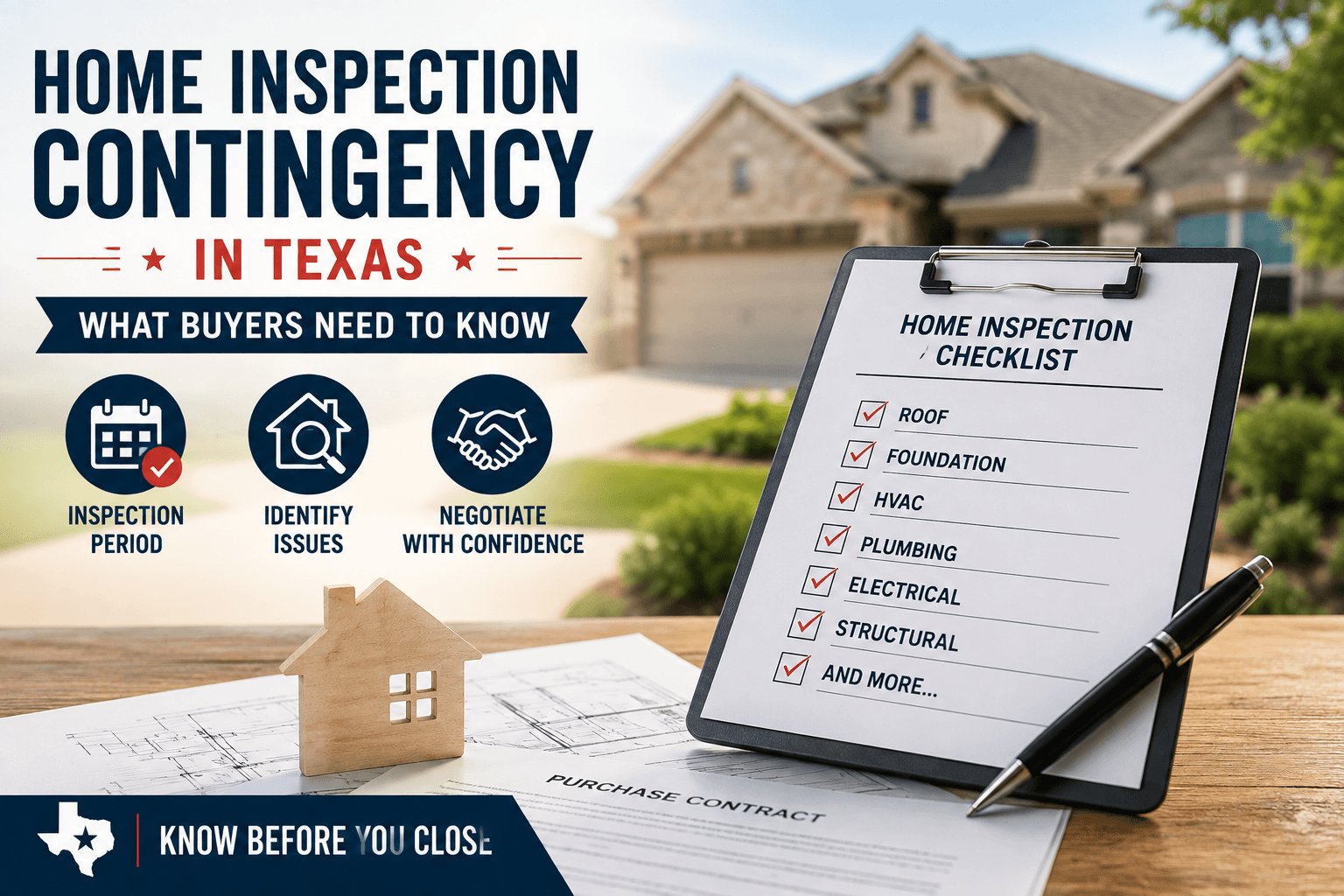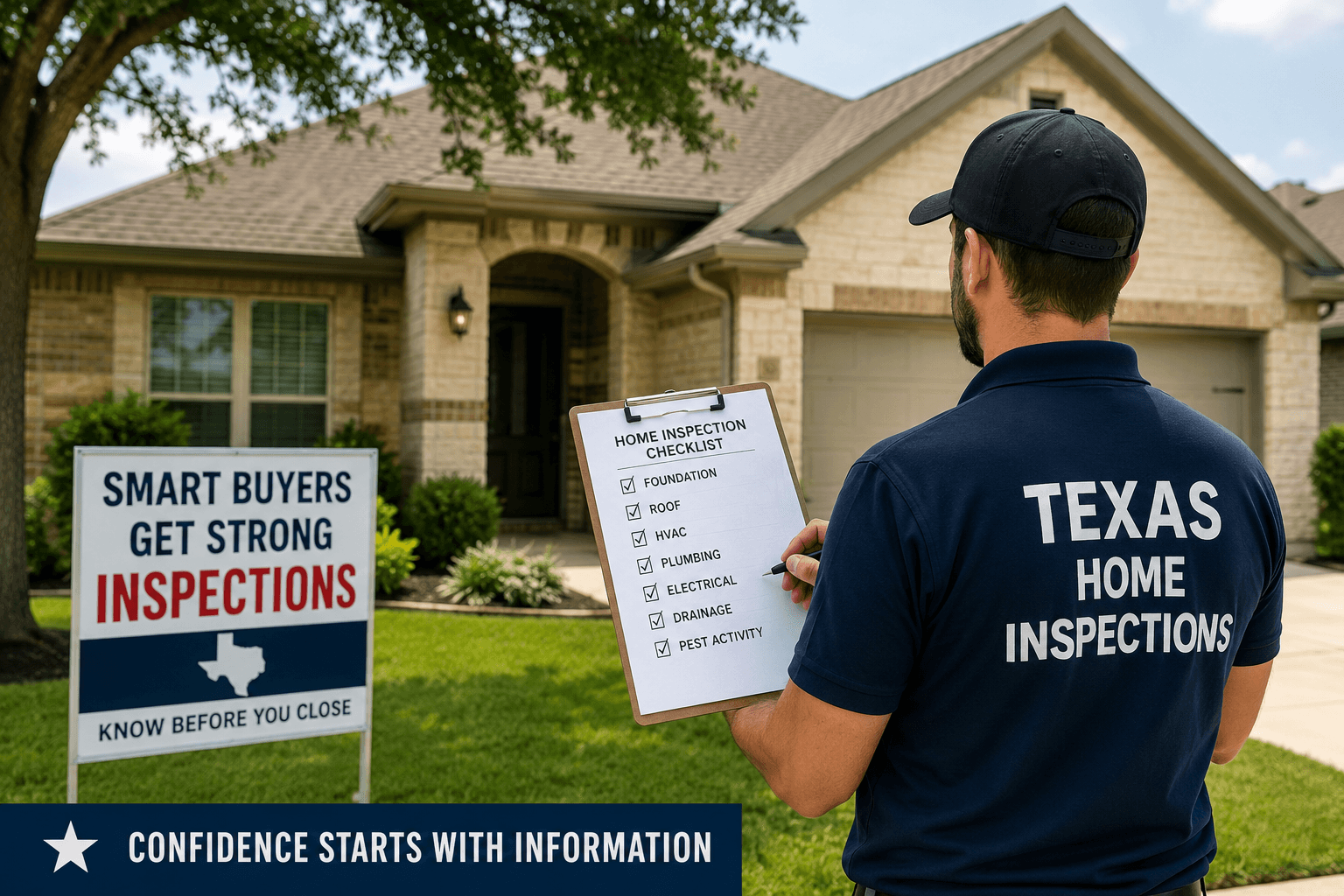


A house can look solid during a showing and still have a leaking roof, unsafe wiring, poor drainage, or foundation movement hiding in plain sight. That is why a complete guide to home inspections matters before a purchase, before listing, and often before small issues turn into expensive repairs.
In the Texas Hill Country, inspections are not just about checking boxes for a transaction. They are about understanding how a property is performing in real conditions – heat, storms, shifting soil, aging materials, and deferred maintenance all leave clues. A good inspection brings those clues into focus so buyers, owners, and agents can make decisions with a clear head.
What a complete guide to home inspections should cover
A home inspection is a visual, non-invasive evaluation of the property’s major systems and accessible components. The goal is not to predict every future failure or tear open walls. The goal is to identify visible defects, safety concerns, signs of damage, and conditions that deserve repair, monitoring, or specialist review.
For buyers, that means fewer surprises after closing. For sellers, it can mean fewer last-minute negotiations. For homeowners, it is often the fastest way to understand which repairs are urgent, which are routine, and which can wait.
A thorough inspection usually looks at the structure, roof, attic, insulation, plumbing, electrical, HVAC, doors, windows, interior surfaces, exterior surfaces, drainage, and foundation performance. The exact scope can vary with the property, age, condition, and whether certain areas are safely accessible.
What inspectors actually check
The structure is one of the first places attention goes, especially in areas where soil movement can affect performance over time. Inspectors look for cracks, movement, separation, uneven floors, sticking doors, and other signs that may suggest settlement or structural stress. Not every crack means a major problem, but patterns matter.
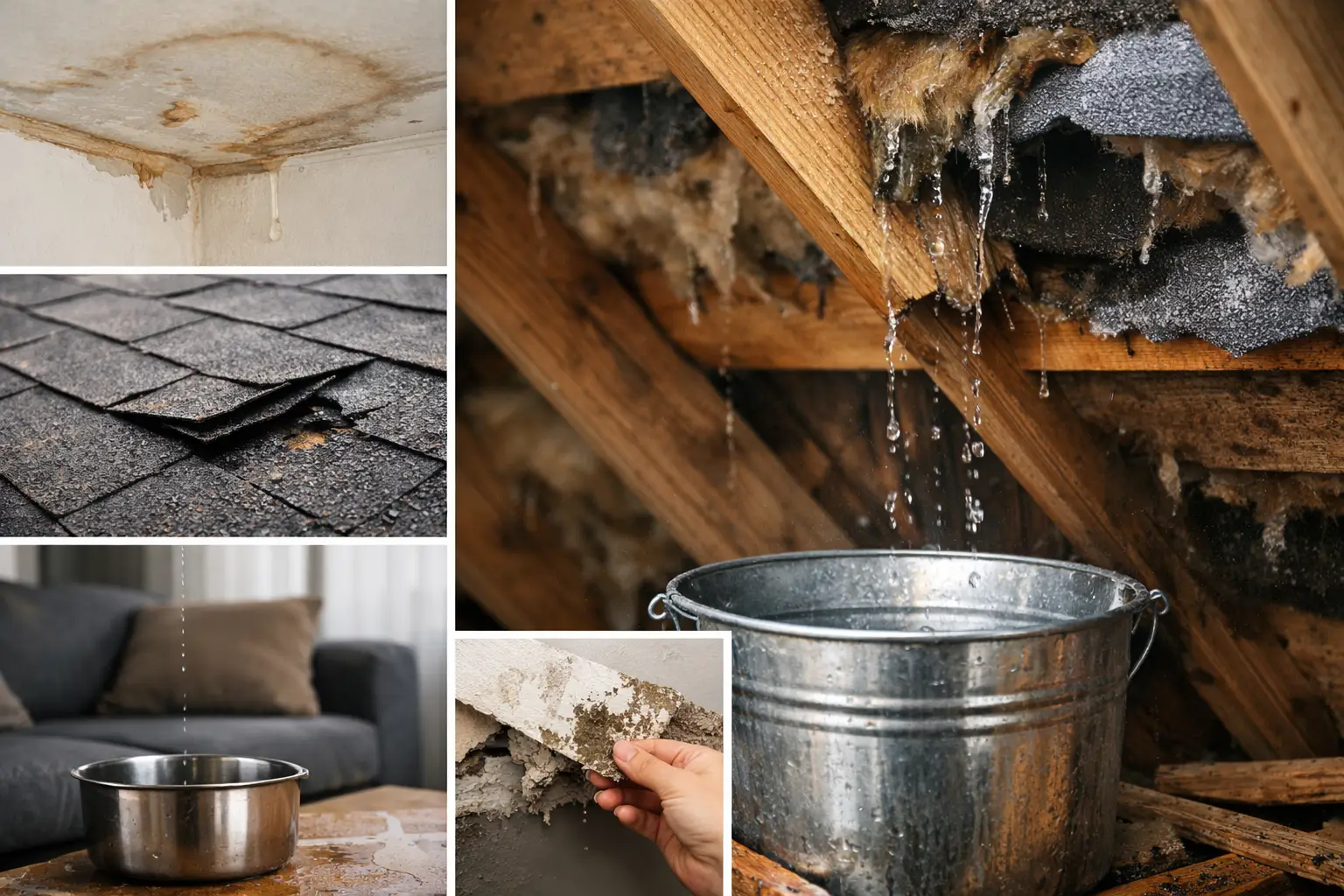
Roof inspections focus on the roofing materials, flashing, penetrations, visible drainage paths, and signs of active or past leaks. A roof may still have life left in it and still need repairs. Missing shingles, exposed fasteners, damaged flashing, and soft spots around penetrations can all point to trouble.
Plumbing inspections typically include visible supply lines, drain lines, fixtures, water heaters, and signs of leaks or poor water flow. Small leaks under sinks or around shutoff valves often seem minor until they lead to cabinet damage, mold growth, or wasted water. Water heaters also deserve close attention because age, installation quality, and safety devices all affect reliability.
Electrical systems are a major concern because safety issues are not always obvious to the untrained eye. Inspectors look at the service panel, visible wiring, outlets, switches, fixtures, and grounding where accessible. Double-tapped breakers, damaged conductors, missing covers, improper wiring methods, and outdated components can all create risk.
HVAC inspections focus on visible condition and basic operation of heating and cooling equipment. In Texas, air conditioning performance is not a small issue. An aging system may still run during the inspection but show signs of deferred maintenance, poor airflow, dirty components, or limited remaining service life.
Drainage and grading often get less attention from buyers than kitchens and finishes, but they can affect the property more than either. Water that does not move away from the home can contribute to foundation movement, erosion, moisture intrusion, and damage around exterior walls. In many cases, drainage issues are both common and correctable, but they should not be ignored.
Common findings and what they really mean
One of the biggest misconceptions about home inspections is that the report should come back either clean or disastrous. Most homes fall somewhere in between. Even well-maintained properties usually have a mix of maintenance items, aging components, and a few defects that deserve prompt attention.
Some findings are mostly about upkeep. Caulking gaps, loose handrails, minor wood rot, worn weatherstripping, and slow drains may not stop a transaction, but they do matter. Left alone, these small issues often become larger ones.
Other findings affect safety or cost much more directly. Active roof leaks, unsafe electrical conditions, structural movement, HVAC systems near failure, plumbing leaks inside walls, and poor drainage near the foundation belong in a different category. These are the issues that can influence negotiations, repair requests, budgeting, and timing.
That is where clear reporting matters. The best inspection reports do not inflame a situation or bury the important issues in vague language. They separate routine maintenance from significant defects so clients know what needs immediate action and what simply needs planning.
When to schedule a home inspection
For buyers, the best time is during the contract option period or due diligence window, as early as possible. That gives enough time to review findings, gather repair estimates if needed, and decide how to proceed without being rushed.
For sellers, a pre-listing inspection can reduce surprises and help control the conversation before a buyer’s inspector enters the picture. It can also help prioritize repairs that are worth making and avoid spending money on cosmetic updates while larger issues remain unaddressed.
For current homeowners, an inspection makes sense when the home is aging, maintenance has been deferred, or recurring concerns keep appearing – ceiling stains, sticking doors, uneven floors, high energy bills, or drainage problems after rain. You do not have to wait for a sale to benefit from an objective evaluation.
How to prepare for the inspection
A smoother inspection starts with access. Utilities should be on, gates unlocked, and areas like the attic, garage walls, electrical panel, water heater, and HVAC equipment clear enough to inspect. If an inspector cannot safely reach a component, that limitation usually has to be noted in the report.
If you are the buyer, attend if your schedule allows. Seeing conditions in person helps you understand what matters most. It also gives you a chance to ask practical questions about maintenance, repairs, and typical next steps.
If you are the seller, there is no need to stage for perfection. Clean access and working utilities matter more than appearances. An inspector is evaluating systems and conditions, not judging housekeeping.
What happens after the report
The report should arrive quickly and read clearly. Fast delivery matters because real estate timelines are tight, but speed is only helpful if the information is organized and usable. A solid report explains the condition observed, why it matters, and what kind of action may be appropriate.
From there, the next step depends on the client. Buyers may negotiate repairs, request credits, accept conditions as-is, or bring in specialists for further evaluation. Sellers may choose to repair issues before listing or adjust pricing expectations. Homeowners may build a repair plan based on urgency and budget.
This is where experience shows. A seasoned inspector knows how to communicate findings without creating unnecessary panic. That matters to first-time buyers who may feel overwhelmed, and it matters to agents trying to keep a transaction moving on facts rather than emotion.
Cost, value, and the question everyone asks
Inspection cost usually depends on the size, age, and complexity of the property. Buyers sometimes hesitate over the fee, especially after appraisal costs, lender fees, and moving expenses start stacking up. That is understandable.
But compared with the cost of a foundation repair, roof replacement, electrical correction, or full HVAC system replacement, the inspection fee is usually small. More importantly, it gives context. Knowing the condition of the property helps you decide whether to negotiate, walk away, plan future repairs, or move forward with confidence.
There is no inspection that removes all risk. Homes are physical structures with wear, weather exposure, and hidden components. A good inspection reduces uncertainty by identifying visible issues and helping clients understand where the real concerns are.
Why local experience matters
A home in the Hill Country presents a different set of patterns than a home in another region. Expansive soils, heat stress, storm exposure, drainage challenges, and aging building materials all shape what an inspector should pay attention to. Local experience helps connect isolated symptoms to bigger performance patterns.
That is one reason many buyers, owners, and agents value inspectors with long field experience and a steady communication style. Howson Inspections has built its reputation around that kind of practical clarity – thorough evaluations, prompt reporting, and factual guidance that supports informed decisions.
A home inspection is not there to kill a deal or force a sale through. Its job is simpler and more useful than that. It gives you a grounded picture of the property you are dealing with so the next decision is based on condition, not guesswork.
When you are making a major property decision, calm facts are worth a lot.