
A home inspection often raises a practical question right away: does a realtor have to be present during a home inspection? In most cases, no. A real estate agent is usually not legally required to attend, but whether they should be there depends on the property, the stage of the transaction, and how the parties want communication handled.
That distinction matters. Buyers sometimes assume the agent must walk the property with the inspector from start to finish. Sellers may worry an agent cannot allow access unless they are physically on site. In reality, inspection day is usually much more flexible than that, and the best arrangement is the one that keeps access smooth, expectations clear, and the inspection itself focused on facts.
Does a realtor have to be present during a home inspection in Texas?
In Texas, a realtor generally does not have to be present during a home inspection. What matters more is that the inspector has proper access to the property and that the showing instructions, occupancy status, and contract terms are followed.
In many transactions, the buyer’s agent schedules the inspection, confirms access through the listing side, and may attend for part of the appointment or not at all. The listing agent may also be absent, especially if the home is vacant and a lockbox or approved entry method is available. As long as everyone has agreed on timing and access, the inspection can usually proceed without either agent standing on site the entire time.
That said, local custom and individual brokerage policies can influence who attends. Some agents prefer to be present at the beginning, some come only for the recap, and some let the buyer and inspector handle the appointment directly. None of those approaches is automatically wrong if communication is clear.
Who is usually at the inspection?
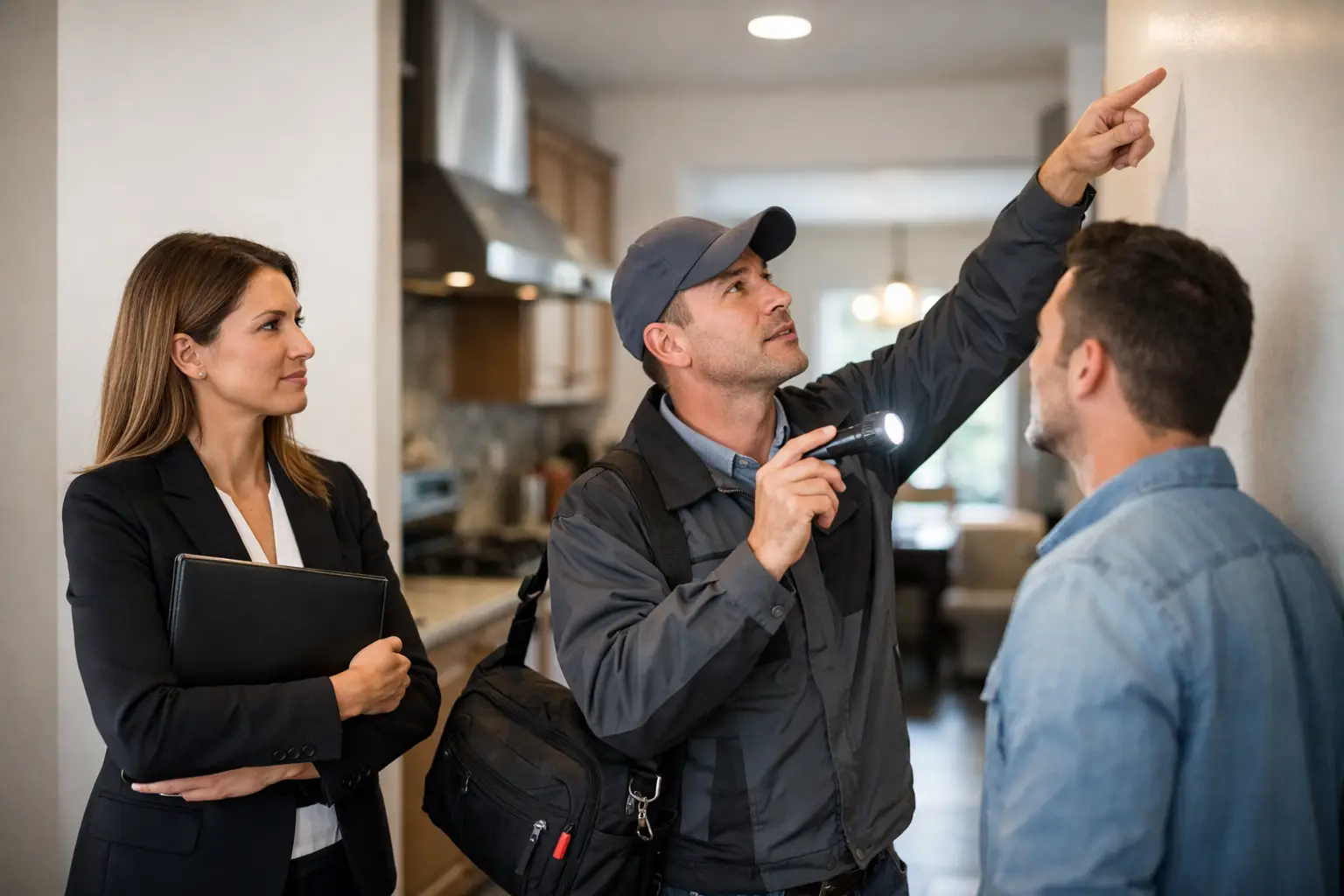
The people most commonly present are the inspector and the buyer. If the buyer attends, they can see issues firsthand, ask practical questions, and better understand which findings are routine maintenance items and which deserve serious attention.
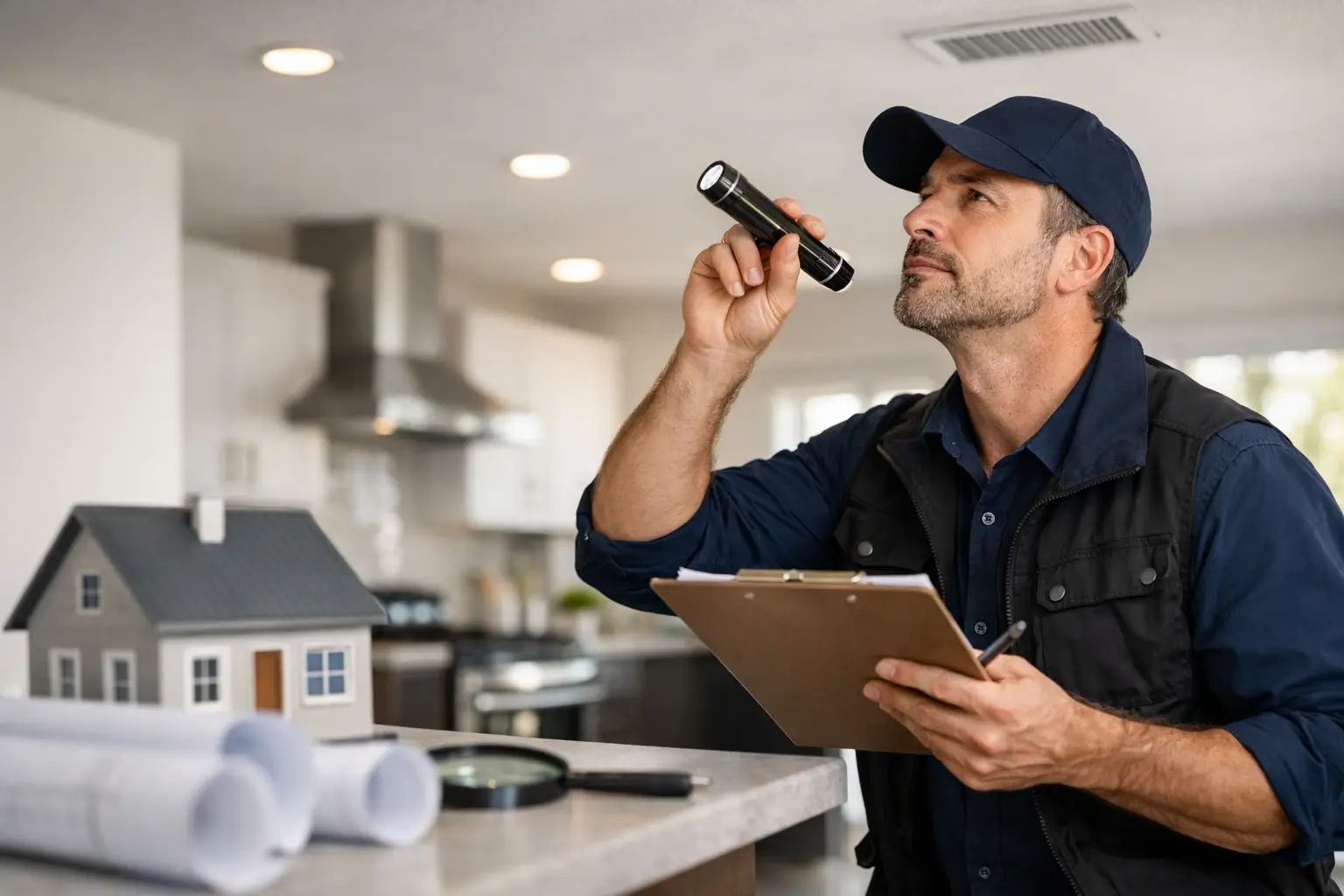
Agents may attend, but they are not the central focus of the inspection. The inspector’s job is to evaluate the condition of the property – roof, structure, plumbing, electrical, HVAC, drainage, and other visible systems – and communicate those findings accurately. A good inspection works best when the process is orderly and not crowded.
Sellers typically do not stay during the inspection unless there is a special reason. In occupied homes, sellers often leave so the inspection can proceed without tension or distractions. That gives the inspector room to work and gives the buyer freedom to ask candid questions.
When it helps for an agent to be there
Even though a realtor does not have to be present during a home inspection, there are situations where agent attendance is useful.
For example, if the property has unusual access issues, detached structures, gates, specialty systems, or scheduling constraints, an agent’s presence can help the appointment move efficiently. If a home has a history of foundation movement, past roof leaks, or repair documentation that needs to be shared, an agent may help gather background details without slowing the inspection down.
It can also help when the buyer is new to the process. First-time buyers often benefit from having an experienced agent there for part of the inspection, especially near the end when major findings are reviewed. The agent is not there to interpret the technical condition of the home – that is the inspector’s role – but they can help the buyer understand next steps in the transaction.
On the listing side, an agent may choose to attend if the seller wants tighter oversight of access or if the property has occupancy concerns. That is more about logistics than inspection requirements.
When it is perfectly fine for an agent not to attend
In many transactions, the inspection goes smoothly without a realtor on site. Vacant homes are the clearest example. If access is arranged, utilities are on, and the inspector can reach all major areas, there may be no practical reason for an agent to remain at the property.
This is also common with experienced buyers and investors. They may prefer to attend personally, review findings directly with the inspector, and then speak with their agent afterward about negotiation strategy. That setup often keeps each person focused on their own role.
The same applies when timing is tight. Agents juggle multiple showings, negotiations, and closings. If they have already coordinated access and can be available by phone, their physical presence may add little value compared to a clear inspection report and a direct post-inspection conversation.
What a realtor’s role is – and is not
One reason this topic causes confusion is that buyers sometimes expect the realtor to act as a second inspector. That is not their job.
A realtor helps manage the transaction, communication, scheduling, and negotiation process. They can help the buyer decide how to respond once the inspection report is delivered. They can discuss repair requests, credits, deadlines, and contract options. What they should not do is diagnose building conditions, downplay visible defects, or speak over the inspector on technical matters.
The inspection itself should stay grounded in observed conditions. If there is unsafe wiring, roof damage, poor drainage, a worn-out HVAC unit, or signs of structural movement, the buyer needs a clear explanation of what was seen and why it matters. Calm, factual communication is what protects everyone in the transaction.
What buyers should do on inspection day
If you are the buyer, try to attend at least the final portion of the inspection if your schedule allows. You do not need to shadow the inspector for every minute, but being there for a walkthrough can be valuable. Seeing a plumbing leak, panel defect, or grading problem in person is often more useful than reading about it later.
It also helps to let the inspector work uninterrupted for much of the appointment. A thorough inspection takes time. Questions are welcome, but the best results usually come when the inspector can move methodically through the property and then explain the significant findings clearly at the end.
If your agent cannot attend, that is not automatically a problem. You can still get a strong inspection experience as long as access is arranged and the inspector provides a clear report promptly. Many buyers are comfortable discussing the findings with their agent after the report is delivered.
What sellers and listing agents should expect
For sellers, the main responsibility is straightforward: make the property accessible and inspection-ready. That means utilities should be on, key systems should be reachable, attic and electrical panels should not be blocked, and pets should be secured.
Whether the listing agent stays at the property is usually a secondary issue. In most cases, once lawful access is provided, the inspection can proceed without the agent remaining there. If there are alarms, gate codes, specialty locks, or known access limitations, those details should be shared in advance.
A smooth inspection day usually comes down to preparation, not extra people on site.
The real answer is communication
So, does a realtor have to be present during a home inspection? Usually no. But a better question is whether everyone knows who is attending, how access will work, and how findings will be communicated afterward.
That is where many avoidable problems start. If the buyer thinks the agent will be there, the agent assumes the inspector has direct access, and the seller expects someone else to open the home, the appointment can get off track before the inspection even begins. Clear coordination solves most of that.
At Howson Inspections, that practical approach matters because inspection day should produce usable information, not extra confusion. Buyers need facts they can act on. Agents need reporting that is clear and responsible. Sellers need a process that is professional and respectful.
If you are heading into an inspection, the simplest approach is usually the best one: confirm access, decide who plans to attend, let the inspector do the work, and make time to review the findings carefully. A calm, well-run inspection gives you what you actually need – a clearer picture of the property and a better basis for your next decision.