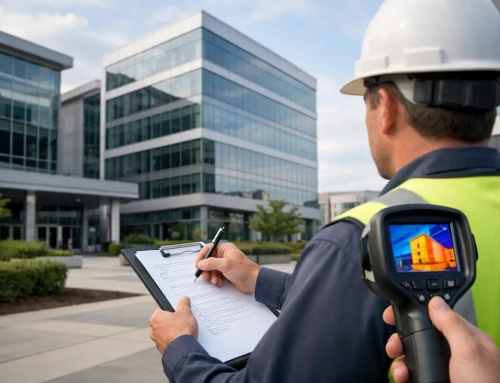


A commercial property can look solid during a walkthrough and still hide expensive problems behind ceiling tiles, inside electrical panels, or below the grade line. That is why buyers often ask what do commercial building inspectors look for before they commit to a purchase, a lease obligation, or a major repair plan. The short answer is condition, performance, safety, and signs of costly deferred maintenance. The real answer is more detailed.
A good commercial inspection is not about creating alarm. It is about identifying material issues clearly enough that an owner, buyer, or agent can make a sound decision. In practical terms, that means evaluating the building as a system, not just spotting isolated defects.
What do commercial building inspectors look for first?
Most inspectors begin with the big-ticket components that can affect value, safety, insurance, and repair budgets. Structural movement, roof failure, electrical hazards, plumbing leaks, drainage concerns, and aging mechanical equipment usually rise to the top because those issues tend to be expensive and disruptive.
They also look at how the property has been maintained over time. A building with minor visible wear but consistent upkeep may present less risk than a cleaner-looking property with patched-over problems and neglected service items. Commercial inspections are as much about patterns as they are about individual defects.
Structure and signs of movement
Structural concerns are one of the first things inspectors take seriously because they can influence everything else in the building. Cracks in walls may be cosmetic, or they may point to settlement, movement, or moisture intrusion. Uneven floors, out-of-plumb walls, separated masonry, and sticking doors can all help tell that story.
In Central Texas and the Hill Country, movement related to soil conditions is a practical concern, not a theoretical one. Inspectors pay attention to foundation cracks, changes in floor elevation, drainage patterns around the perimeter, and any signs that water is collecting where it should be moving away from the structure.
That does not mean every crack is a major structural defect. It means the inspector is looking for context – size, location, pattern, and whether the issue appears active or long-standing. A factual report separates normal aging from conditions that deserve further evaluation or budgeting.
Roofing, drainage, and water entry
If there is one issue that quietly damages commercial buildings over time, it is water. Roof coverings, flashings, penetrations, drainage paths, gutters, downspouts, and parapet conditions all matter because a small leak can lead to interior damage, mold concerns, damaged insulation, and hidden deterioration.
Inspectors look for evidence of active leaks, past repairs, ponding water, damaged membrane seams, exposed fasteners, cracked sealant, and improper drainage. Inside the building, they look for stained ceiling tiles, damaged wall finishes, soft materials, or moisture patterns that suggest the roof or exterior envelope has been letting water in.
Not every roof issue means replacement is immediately necessary. Sometimes the condition supports targeted repair and monitoring. Other times, the age and wear pattern indicate the roof is approaching the end of its service life. That distinction matters when a buyer is planning reserves or negotiating terms.
Exterior walls, windows, and site conditions
Commercial building inspectors also study the exterior envelope. That includes siding, masonry, stucco, sealants, doors, storefront systems, and windows. The goal is to identify openings where water, air, or pests can enter and to note visible deterioration that may affect performance or maintenance costs.
Site conditions are part of that review. Poor grading, negative slope toward the building, deteriorated paving, trip hazards, and drainage failures can create both property damage and liability concerns. An inspector may also note retaining wall distress, erosion, or vegetation that is too close to the structure.
This is one area where buyers sometimes underestimate repair costs. Replacing failed sealants, correcting drainage, or addressing widespread exterior deterioration may not sound dramatic, but the totals can add up quickly across a larger property.
Electrical systems and safety hazards
Electrical defects tend to get attention for a reason. They can create immediate safety risks and expensive correction work. Inspectors typically review service equipment, panels, visible wiring, disconnects, grounding and bonding, and representative fixtures and receptacles.
They look for double-tapped breakers, missing panel covers, damaged conductors, corrosion, improper wiring methods, overloaded components, and evidence of amateur modifications. In older buildings, outdated equipment may still function, but age alone can affect insurability, reliability, and future replacement planning.
Commercial properties often have additions, tenant improvements, or equipment changes layered on over time. Inspectors watch for signs that the electrical system has been altered without the same level of care as the original installation. A system can appear operational and still contain significant safety concerns.
Plumbing systems and hidden moisture problems
Plumbing inspections focus on supply lines, drain lines, fixtures, water heaters, and visible leaks or corrosion. Inspectors check for active leakage, poor drainage, damaged piping, inadequate support, and signs that past plumbing failures have affected walls, flooring, or ceilings.
In commercial spaces, the plumbing load may be heavier or more specialized than in a house. Restrooms, break areas, utility sinks, tenant spaces, and equipment connections can all introduce wear points. Even a slow leak under a sink or behind a wall can lead to damaged finishes and long-term moisture problems.
Water heating equipment also matters. Inspectors note age, visible condition, installation concerns, and signs that a unit may be nearing the end of its service life. Buyers do not need panic over an older unit that is still operating, but they do need a realistic picture of replacement timing.
HVAC performance and remaining service life
Heating and cooling systems are another major budget category in commercial buildings. Inspectors examine accessible equipment such as condensers, air handlers, furnaces, package units, thermostats, ductwork, and visible condensate management components.
They look for poor maintenance, damaged insulation, rust, improper repairs, blocked airflow, and signs of leakage or failing components. Age is a big part of the conversation here. An HVAC system can still operate during the inspection and still be near the end of its useful life.
That is why a commercial report should not treat HVAC as pass or fail. Buyers need to know both current function and likely planning horizon. If several units are aging at the same time, that can shape reserve budgets in a meaningful way.
Interior condition, life safety, and occupancy concerns
Inside the building, inspectors pay attention to walls, ceilings, floors, stairs, handrails, doors, and other visible components that affect safety and usability. Stained finishes, damaged flooring, loose railings, broken hardware, and missing safety features are not always headline items, but they do affect cost and liability.
Depending on the scope of the inspection, they may also note visible life safety concerns such as blocked egress routes, damaged fire doors, trip hazards, or missing protective covers. Commercial inspections are usually visual and non-invasive, so the exact scope matters. Some code-related items may be outside a standard inspection, but obvious safety concerns are still important to report.
This is where clear communication matters. Buyers and agents need to know the difference between a deferred maintenance item, a safety issue, and a condition that may require specialist review. Lumping everything together creates noise instead of clarity.
What inspectors are really trying to determine
When people ask what do commercial building inspectors look for, they are often really asking a different question: where is the financial risk? Inspectors are trying to identify defects that could affect purchase decisions, repair budgets, negotiations, financing, insurance, or future operations.
That includes immediate problems, such as active leaks or unsafe electrical conditions. It also includes developing issues, like an aging roof, foundation movement patterns, or HVAC systems that are still working but may not have many seasons left. The value of the inspection is not just finding what is broken today. It is helping you see what may become expensive next.
For buyers, that information supports smarter negotiations and fewer surprises after closing. For owners, it helps prioritize maintenance and capital planning. For real estate professionals, it supports a smoother transaction because the findings are communicated in a way that is factual and useful.
A steady inspection process makes a difference here. At Howson Inspections, the goal is to identify major cost and safety concerns without overstating routine wear. That approach helps clients act on real issues rather than react to unnecessary drama.
Why the answer depends on the property
Not every commercial inspection looks exactly the same. A small retail strip center, office condo, warehouse, restaurant space, and mixed-use property all carry different risks. The age of the building, maintenance history, occupancy type, and accessibility of systems all influence what gets the closest attention.
A newer building may have fewer age-related failures but still show poor workmanship or drainage issues. An older building may be structurally sound yet need significant updates to mechanical or electrical systems. Neither scenario is automatically a deal breaker. The key is understanding condition in plain terms, with enough detail to decide what comes next.
If you are evaluating a commercial property, the most helpful inspection is one that gives you a clear picture of the building as it exists today, where the larger risks are, and which issues deserve immediate action versus routine planning. That kind of clarity does not remove every uncertainty, but it gives you a much better footing to move forward with confidence.