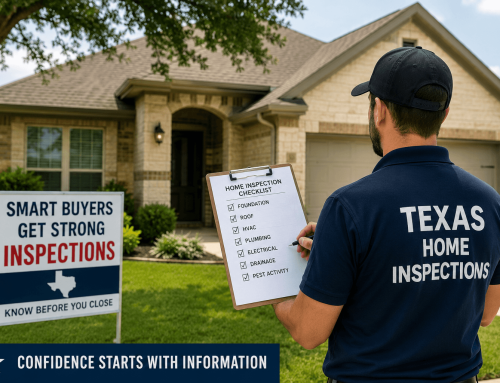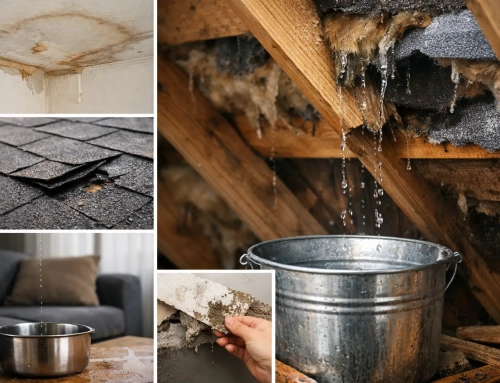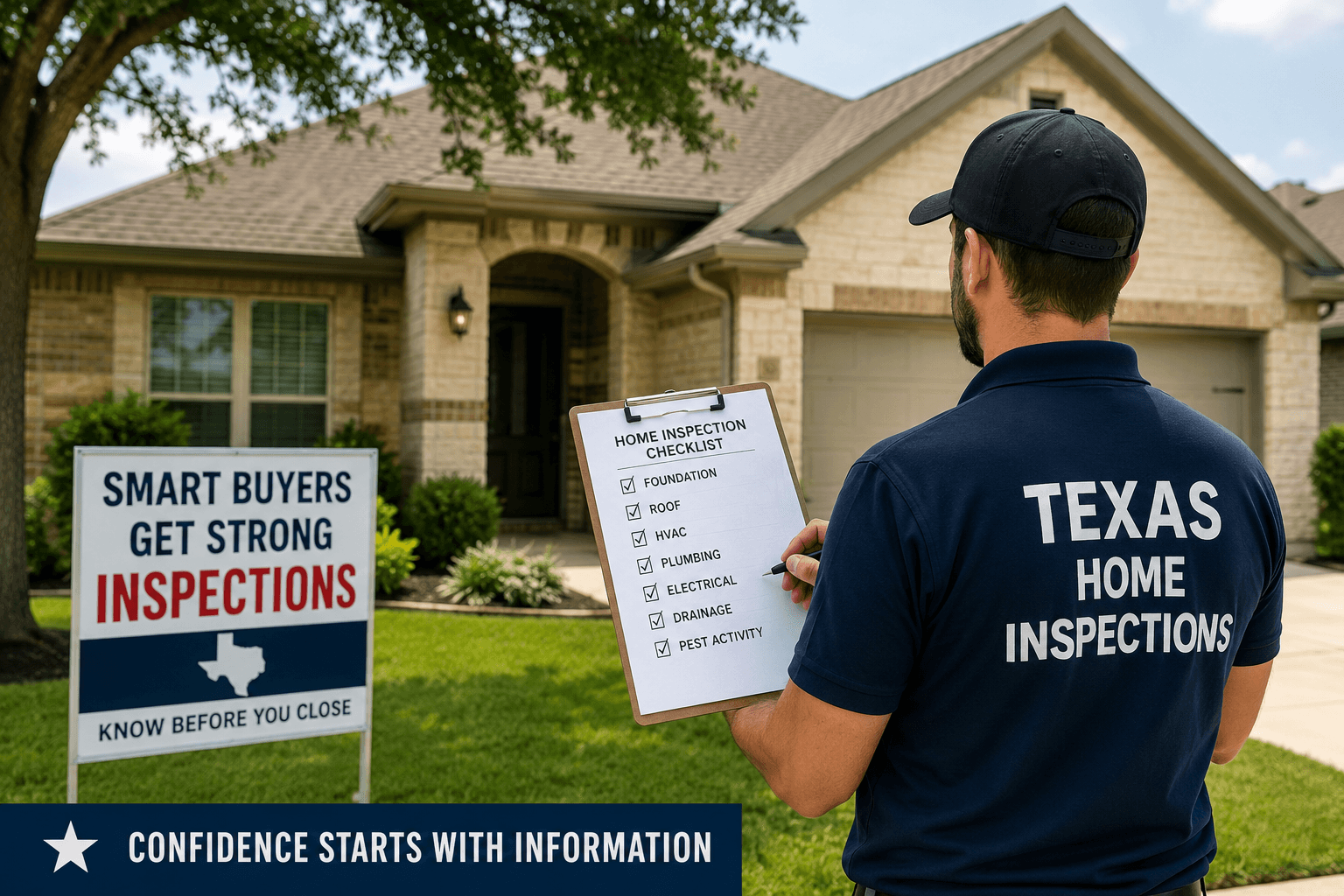


A house can look well kept at first glance and still have drainage problems, unsafe wiring, roof wear, or foundation movement hiding in plain sight. That is why the home inspection process matters. It gives buyers, owners, and real estate professionals a clearer picture of a property’s condition before decisions become expensive.
For many people, the inspection happens in the middle of an already busy transaction. There are deadlines, negotiations, and plenty of opinions. A good inspection brings the conversation back to facts. It helps separate routine maintenance from significant defects, and it gives everyone involved a more reliable basis for next steps.
Why the home inspection process matters
A home inspection is not about looking for reasons to kill a deal. It is about understanding the condition of the property as it stands on the day of the inspection. That distinction matters, especially for first-time buyers who may worry that any finding means the house is a bad investment.
Every property has issues. Even newer homes can have installation defects, drainage concerns, or components that are already showing early wear. Older homes may have a longer list, but that does not automatically make them poor purchases. The real question is whether the findings are minor, manageable, or likely to lead to major cost or safety concerns.
In the Texas Hill Country, this can be especially important. Heat, shifting soils, heavy rains, and long periods of dry weather all affect homes differently. Roof coverings age, grading can move water toward the structure, HVAC systems work hard, and foundation performance deserves careful attention. A steady inspection process helps put those conditions in context.
What happens before the inspection
The process usually starts with scheduling and confirming the basic details of the property, including size, age, and access. This is also when buyers and agents can ask practical questions about timing, report delivery, and whether additional specialty evaluations may be worth considering based on the home type or visible concerns.
Before the inspector arrives, the goal is simple: make the property accessible. Attics, electrical panels, crawlspaces, garages, and mechanical systems should not be blocked. Utilities should be on if possible. If a system cannot be operated because power, gas, or water is off, that limitation should be documented, because it affects what can be evaluated.
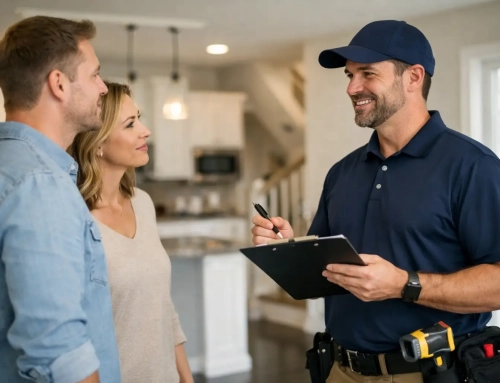
Buyers are often encouraged to attend at least part of the inspection when schedules allow. That is not because they need to follow the inspector from room to room. It helps because they can see issues firsthand, ask questions in real time, and better understand which findings are common and which deserve closer attention.
The home inspection process step by step
A professional inspection follows a consistent method. The exact order may vary by property, but the objective stays the same: evaluate the major accessible components of the building and note material defects, safety concerns, and visible performance issues.
Exterior and site conditions
The inspection typically begins outside. The inspector looks at grading and drainage, exterior walls, windows, doors, trim, porches, driveways, and other visible site features. One of the key questions is whether water is likely to move away from the house or collect near the foundation.
This part of the inspection can reveal subtle but costly problems. A negative grade, for example, may not look dramatic, but over time it can contribute to moisture intrusion or foundation stress. Cracks in masonry may also need context. Some are cosmetic. Others may suggest movement that should be monitored or evaluated further.
Roof and attic
The roof is one of the most important systems in any inspection because leaks often affect more than one part of the home. Inspectors look at the roof covering, visible flashing, penetrations, drainage components, and general condition. Inside the attic, they look for signs of leaks, structural concerns, poor ventilation, damaged framing, or insulation issues.
A roof does not have to be actively leaking to be near the end of its service life. That is where inspection experience matters. The goal is not to create alarm. It is to identify wear patterns, installation defects, or signs of prior moisture entry so buyers know whether they are looking at routine upkeep or a likely near-term expense.
Plumbing, electrical, and HVAC
These systems often raise the biggest concerns because problems can be hidden behind walls or ceilings. The inspection focuses on visible and operable components, including fixtures, supply and drain lines, water heaters, electrical panels, outlets, visible wiring, heating equipment, cooling equipment, and normal system operation where conditions allow.
Here again, context matters. A loose outlet cover is not the same as double-tapped breakers, overheating conductors, or missing safety protections near water. A slow drain may be minor. Active leakage, improper water heater installation, or aging equipment with poor performance is a different conversation. The inspection helps sort that out clearly.
Interior rooms and structure
Inside the home, the inspector checks walls, ceilings, floors, windows, doors, stairs, and representative cabinets and built-ins. Structural indicators are also part of the review, including signs such as uneven floors, cracked finishes, separated trim, or sticking doors that may point to movement.
No single cosmetic crack tells the whole story. Homes expand, contract, and settle. What matters is the pattern, the location, and whether multiple signs suggest a broader issue. The same is true for doors and windows. One sticky door could be seasonal. Several openings with related cracking may deserve more attention.
What the inspection report actually tells you
After the site visit, the findings are organized into a written report. A strong report is clear, prompt, and specific. It should explain what was observed, where it was found, and why it matters without turning every defect into a worst-case scenario.
That balance is important. Buyers need honest information, but they also need usable information. A factual report helps them focus on the items that matter most, especially major cost issues, safety hazards, active leaks, structural concerns, and systems that are not performing as intended.
Fast delivery also matters in a real estate transaction. When a report arrives within 24 hours, buyers and agents have time to review findings, gather repair estimates if needed, and make decisions without unnecessary delay.
What buyers should do after the inspection
The next step depends on the findings. In some cases, the report confirms that the home is generally in line with expectations, with mostly maintenance items and minor repairs. In others, it may reveal conditions that justify renegotiation, additional specialist review, or a pause before moving forward.
This is where buyers benefit from staying level-headed. Not every defect needs to become a negotiation point. Cosmetic wear, minor adjustments, and routine maintenance are part of owning property. The more useful focus is on defects that affect safety, function, water intrusion, or major replacement cost.
For example, an aging HVAC system that still works is different from one that fails normal operation. Hairline drywall cracks are different from evidence suggesting ongoing structural movement. A few missing shingles are different from widespread roof deterioration with signs of interior leakage. Good decisions come from understanding those differences.
Common misunderstandings about the process
One common misunderstanding is that an inspection is a pass-or-fail event. It is not. The home inspection process is an evaluation, not a grade. The report provides information so the client can decide what is acceptable based on budget, risk tolerance, and future plans for the property.
Another misunderstanding is that inspectors can see everything. They cannot. Inspections are visual and limited to accessible areas at the time of the visit. That is why hidden conditions, concealed damage, or issues behind finished surfaces may not be visible. A reliable inspector explains those limits clearly instead of overstating certainty.
There is also the question of older homes. Some buyers expect a decades-old property to perform like new construction. That is rarely realistic. An older home may still be a sound purchase if the main systems are serviceable and the buyer understands the maintenance and updates it will require.
Choosing an inspector who keeps things clear
The quality of the inspection process depends heavily on the person performing it. Experience matters, but so does communication. Clients need someone who is thorough, punctual, and able to explain findings in plain language.
That is especially valuable when emotions are high. A report should support informed decisions, not stir unnecessary panic. In a market where timelines move fast, a calm and factual approach helps buyers, sellers, and agents stay focused on the real issues.
For that reason, many clients look for inspectors with a long track record, practical local knowledge, and a reporting style that identifies what needs attention without overstating routine wear. That is the kind of approach Howson Inspections has built its reputation on in Marble Falls and the surrounding Hill Country.
A home purchase comes with enough uncertainty already. The right inspection process does not remove every risk, but it does replace guesswork with clearer facts. And when you are making a decision this significant, clarity is worth a great deal.