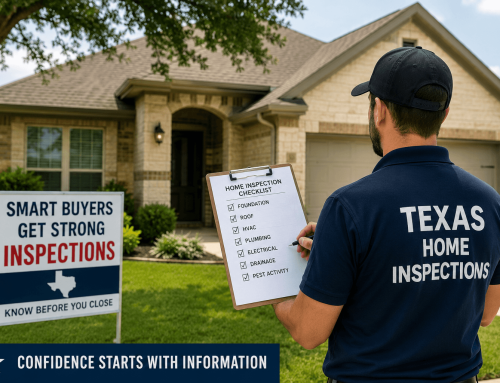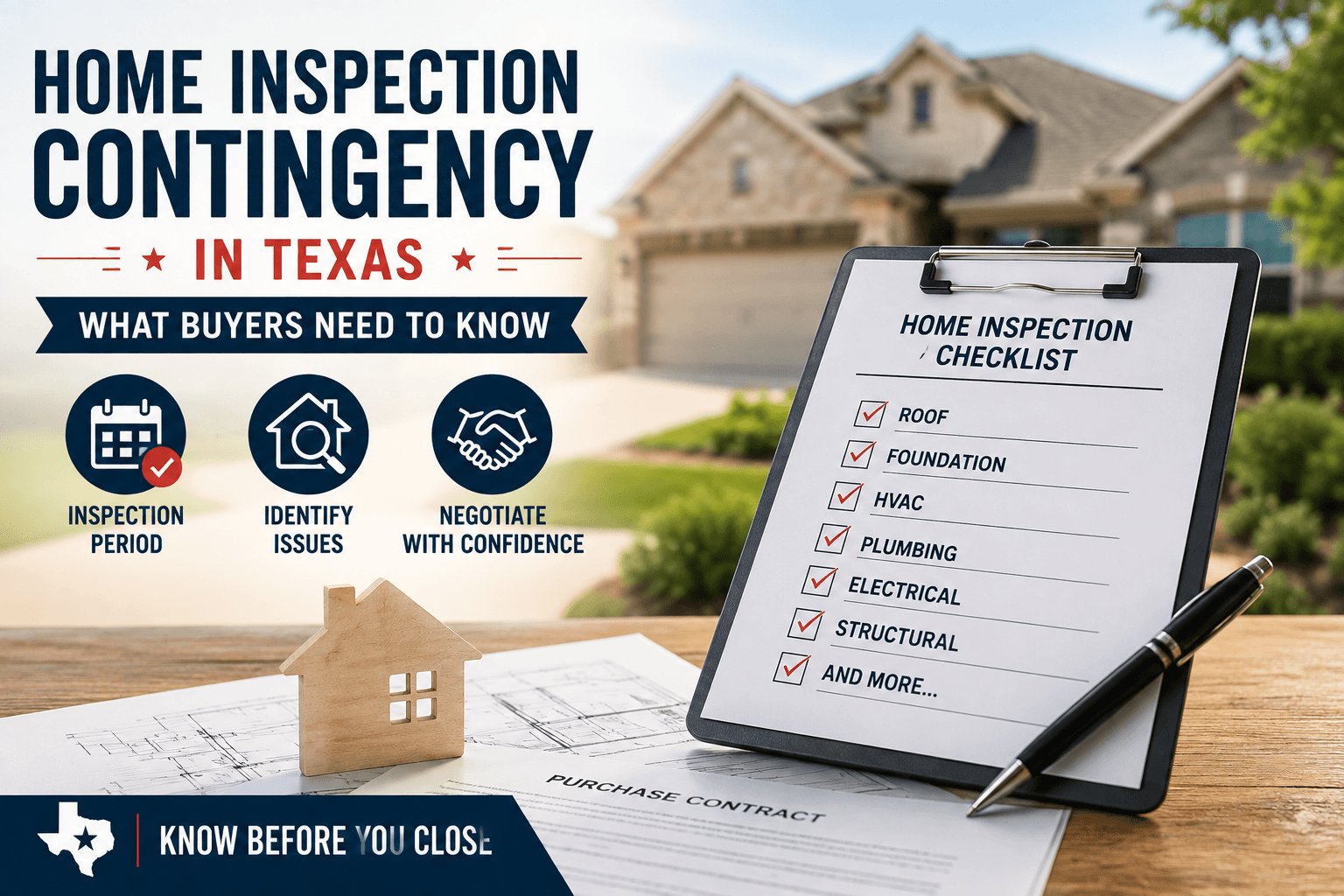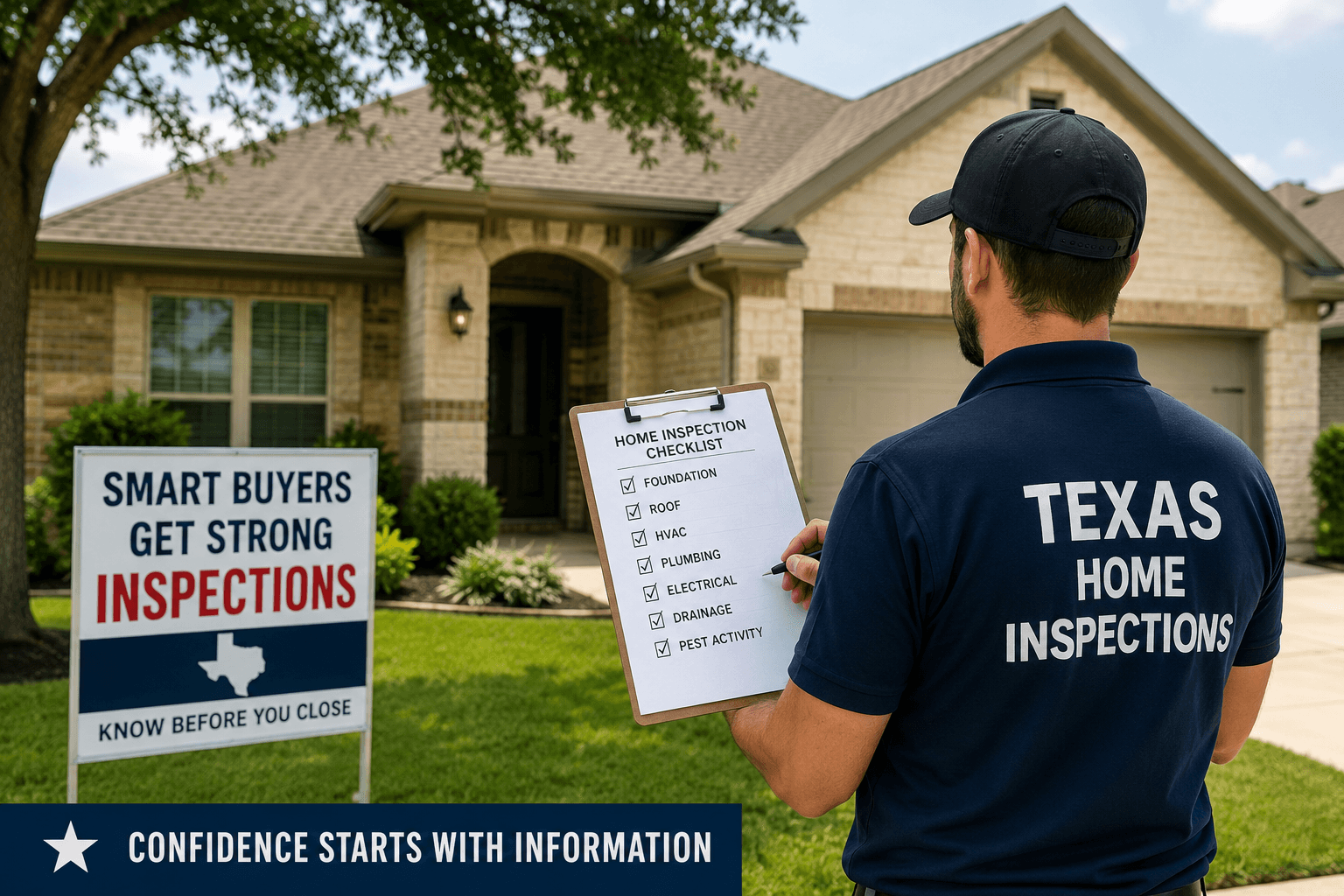


A home inspection goes better when you show up ready to ask the right questions. The best questions for home inspector visits are not meant to turn the appointment into an interrogation. They help you understand what matters most, what can wait, and where a property may cost you more than expected after closing.
For buyers in the Texas Hill Country, that matters. A house can look clean and well cared for on the surface while still hiding drainage trouble, foundation movement, aging HVAC equipment, roof leaks, or unsafe electrical conditions. A steady, experienced inspector can identify those issues. Your job is to make sure you leave the inspection understanding the findings in plain language.
Why the right questions matter
Most buyers do not need a technical lecture. They need clarity. If an inspector points out ten defects, you want to know which one is a safety issue, which one is a likely budget item, and which one is part of normal home maintenance.
That is why good questions are practical. They help separate major concerns from minor ones. They also keep the conversation focused on decision-making instead of worst-case scenarios. A strong inspection should reduce confusion, not add to it.
Best questions for home inspector appointments
1. What are the biggest issues you found?
Start here. This question gets to the point and tells the inspector to prioritize. Most reports include many observations, but not every item has the same weight. You want to know the defects most likely to affect safety, function, or near-term cost.
A good inspector should be able to give you a short, direct answer. If there is foundation movement, an active roof leak, double-tapped breakers, or a failing air conditioning system, those items should rise to the top quickly.
2. Which issues are safety concerns?
Safety problems deserve their own category. Faulty electrical components, missing handrails, gas leaks, damaged flue vents, or improper water heater setup can create immediate risk even if the rest of the house is in decent shape.
This question is especially useful for first-time buyers. Cosmetic defects can feel stressful in the moment, but life-safety concerns should come first.
3. Which problems are expensive to fix?
Not every serious-looking defect is costly, and not every subtle defect is cheap. A stained ceiling might be old and already addressed, while poor drainage at the foundation could lead to expensive structural repairs over time.
Ask the inspector which findings are most likely to affect your budget. They may not quote repair prices, but an experienced inspector can often tell you whether an issue is typically minor, moderate, or significant in cost.
4. What needs attention now, and what can wait?
This is one of the most useful questions in the entire process. Some repairs should happen before closing or immediately after move-in. Others can be planned over the next year or two.
Aging caulk, worn weatherstripping, or routine servicing may be maintenance items. Roof defects, active plumbing leaks, or unsafe electrical conditions are usually more urgent. Knowing the difference helps you plan without overreacting.
5. Are these typical findings for a home of this age?
Context matters. An older home should not be judged by the same standard as new construction. Settling cracks, dated systems, or signs of deferred maintenance may be common for a property built decades ago. That does not mean they should be ignored. It means they should be understood in the right frame.
This question can also calm a buyer who sees a long report and assumes the house is a disaster. Many findings are normal for the age and type of building.
6. Do you see signs of active water intrusion?
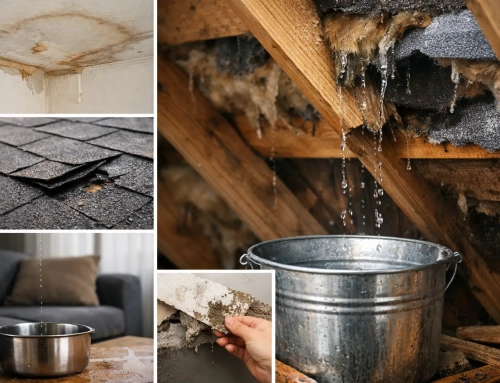
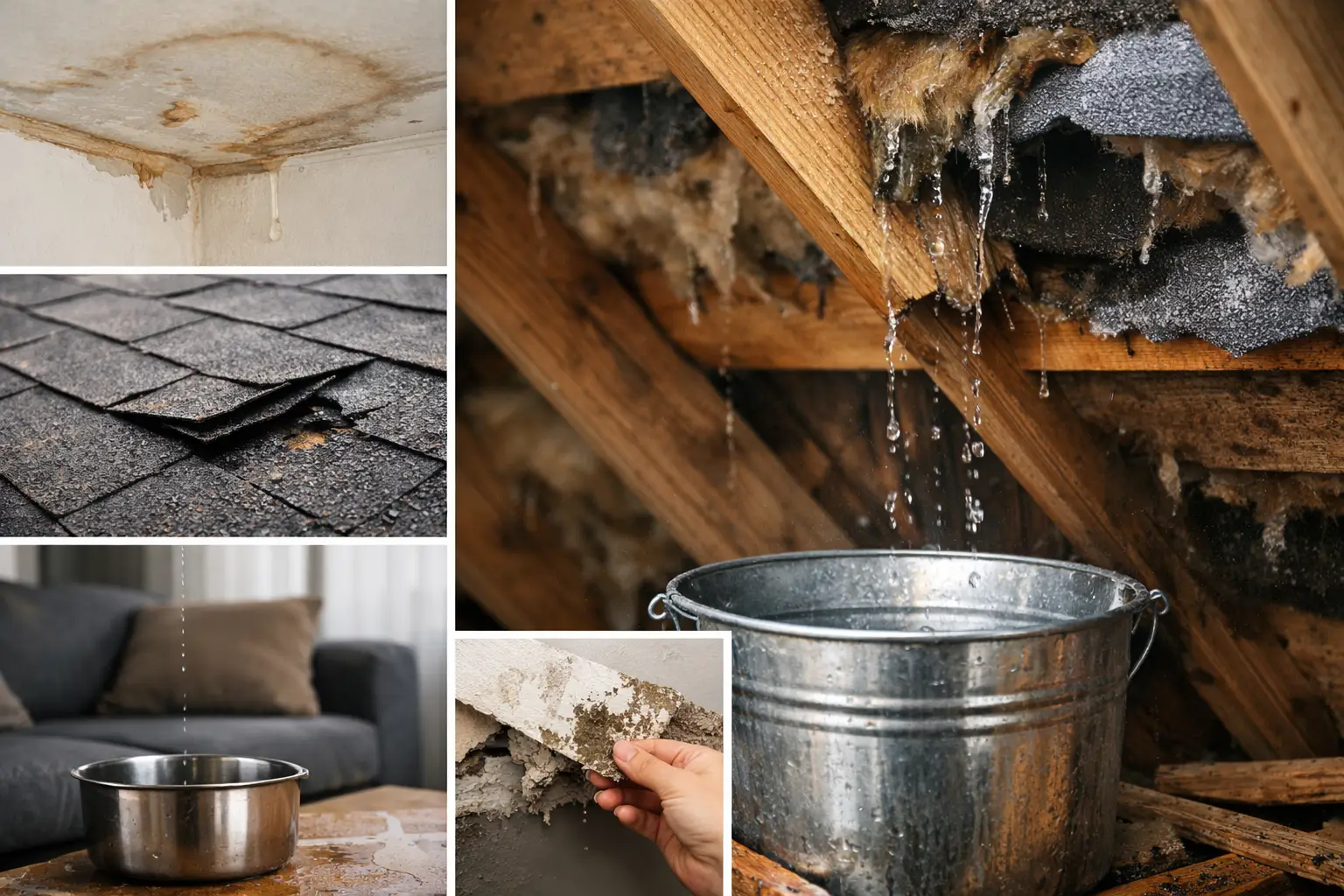
Water causes a long list of problems – wood decay, mold-friendly conditions, damaged insulation, ceiling stains, foundation movement, and hidden deterioration behind walls. In Texas homes, roof leaks and drainage issues are worth close attention.
Ask whether there is evidence of active moisture intrusion or only past staining. There is a meaningful difference between an old repaired leak and a current one.
7. How does the roof look, and how much life may be left?
Roof replacement is one of the bigger ownership costs, so this question is practical, not dramatic. You want to understand current condition, visible damage, drainage performance, flashing concerns, and whether repairs or replacement may be approaching.
No inspector can predict the exact remaining life of a roof, but they can often give a reasonable condition-based opinion. That helps with budgeting and negotiations.
8. Do you see any signs of foundation movement?
In the Hill Country and throughout Texas, foundation concerns are never a casual topic. Movement can show up through cracking, sloping floors, sticking doors, separated trim, or exterior masonry distress. Sometimes these signs are minor. Sometimes they point to broader structural movement or poor site drainage.
The right question is not just whether cracks exist. It is whether the pattern suggests normal settlement, ongoing movement, or the need for further evaluation.
9. Are the plumbing and electrical systems functioning safely?
Buyers often focus on visible surfaces and miss the systems that can cause major headaches later. Plumbing defects may include active leaks, poor water pressure, slow drains, outdated materials, or improper water heater installation. Electrical concerns may involve panel defects, unsafe wiring, missing GFCI protection, or amateur repairs.
A clear answer here helps you understand whether the house is merely dated or whether key systems present current concerns.
10. What should I ask a specialist to evaluate further?
A home inspection is broad by design. It is not invasive, and it does not replace every specialty assessment. Sometimes the next smart step is asking a licensed roofer, electrician, plumber, HVAC contractor, or structural engineer for a closer look.
This question matters because it shows where more information is needed before you commit. It also keeps expectations realistic. A careful inspector will tell you when a condition deserves specialist review instead of guessing.
11. Is there evidence of poor maintenance?
Homes usually tell a story. Dirty HVAC filters, neglected caulking, roof debris, loose fixtures, patched-over leaks, and multiple small defects can signal a pattern of deferred care. That does not always mean the house is a bad purchase. It does mean you should look more closely at the systems you cannot fully see.
When an owner has ignored basic upkeep, bigger hidden issues are more likely.
12. If this were your purchase, what would you look into next?
This is a strong question because it invites judgment without asking the inspector to make the decision for you. A seasoned inspector has seen enough houses to know which findings deserve another phone call and which ones are manageable.
You are not asking whether to buy the property. You are asking where careful due diligence should go next.
13. Can you walk me through the report in plain language?
A report should be clear, but even a well-written report can feel dense when you are under contract deadlines. Ask the inspector to explain the major findings in simple terms. You want to understand condition, implications, and recommended next steps.
This is where experience matters. The best inspectors do not inflate findings or soften them beyond recognition. They explain them factually so you can act on them.
14. What should I budget for in the first year?
Some homes do not have a single deal-breaking issue but still come with near-term expenses. You may need HVAC servicing, gutter improvements, drainage correction, appliance replacement, or roof repairs within the first year.
That is useful information for buyers trying to decide whether the monthly payment still makes sense once early maintenance and repairs are included.
15. Are there issues that could affect insurance or financing?
Some inspection findings can create friction beyond repair costs. Certain roof conditions, electrical hazards, structural concerns, or missing safety features may affect underwriting or lender requirements.
An inspector cannot speak for your insurance carrier or lender, but they can often point out conditions that commonly trigger follow-up questions.
Questions buyers often forget to ask
One common mistake is focusing only on defects and forgetting about maintenance. Ask what routine service the home needs to perform better. A property may be basically sound but still need grading improvements, HVAC cleaning, sealing, filter changes, or regular roof monitoring.
Another missed question is whether the findings suggest a pattern. One crack, one stain, or one repair may not mean much by itself. Several related symptoms often matter more than any single item alone.
How to ask better questions during the inspection
Timing matters. Let the inspector do the work first, then ask for the big-picture takeaways near the end. If you interrupt every few minutes, you may miss the full explanation. Bring a short list, listen carefully, and focus on understanding rather than trying to diagnose the house yourself.
It also helps to ask open questions instead of yes-or-no questions. “What concerns you most about this panel?” gets you more than “Is this bad?” A calm, factual conversation usually tells you more than a dramatic one.
For buyers, owners, and agents, the goal is the same – clear information you can use. That is the standard experienced inspectors aim for, and it is why companies like Howson Inspections put so much emphasis on thorough evaluations and straightforward reporting.
A good inspection is not just about finding defects. It is about leaving with a realistic picture of the property, a sense of what matters now, and enough confidence to make your next decision with your eyes open.