

When a property inspection report lands in your inbox, the page count alone can make it feel worse than it is. That is why knowing how to read inspection report findings matters. A good report is not a pass-fail grade. It is a working document that helps you understand condition, prioritize risk, and make decisions with clear eyes.
Most inspection reports include a mix of major concerns, routine maintenance items, aging components, and minor defects that are normal for a property of that age. The mistake many buyers make is treating every comment as equally urgent. The mistake many sellers make is assuming every finding is a deal breaker. In reality, the report needs to be read in context.
Start with the big picture
Before you study individual photos or comments, look for the inspector’s summary. This section usually highlights the conditions that matter most from a safety, cost, or performance standpoint. If the report is well written, the summary helps separate issues that need prompt attention from items that are simply worth noting.
A short list of summary items does not always mean the property is in excellent condition, and a long list does not always mean it is a bad investment. Some inspectors document in greater detail than others. Older homes also tend to generate more comments because more components have had time to wear, settle, or become outdated.
The better question is not, “How many items are in the report?” It is, “Which of these items could affect safety, insurability, financing, or near-term repair cost?”
How to read inspection report sections in order
If you want the report to make sense quickly, read it in a practical sequence instead of line by line from the first page.
1. Safety issues
Start with anything that could create immediate risk. Unsafe electrical conditions, active leaks near wiring, gas concerns, missing handrails, trip hazards, and signs of structural instability belong near the top of your attention list. These are the items that usually deserve fast follow-up because they affect occupant safety, lender concerns, or both.
Not every safety note means the property is dangerous to enter or impossible to buy. It means there is a condition that should be corrected or evaluated further before you get too comfortable with the property.
2. Major cost items
After safety, focus on components that are expensive to repair or replace. Roof problems, foundation movement, failing HVAC systems, sewer line concerns, widespread plumbing defects, poor drainage, and structural damage usually have the biggest financial impact.
This is where buyers often need to slow down and ask better questions. A roof leak noted in one area may point to a localized repair, or it may suggest broader roof aging. Foundation cracking may be cosmetic, or it may reflect settlement that needs a specialist’s opinion. The wording in the report matters.
3. Performance and moisture issues
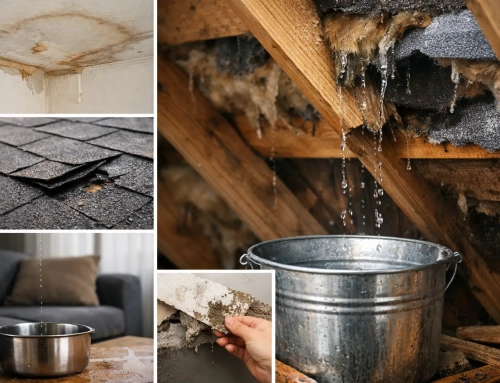
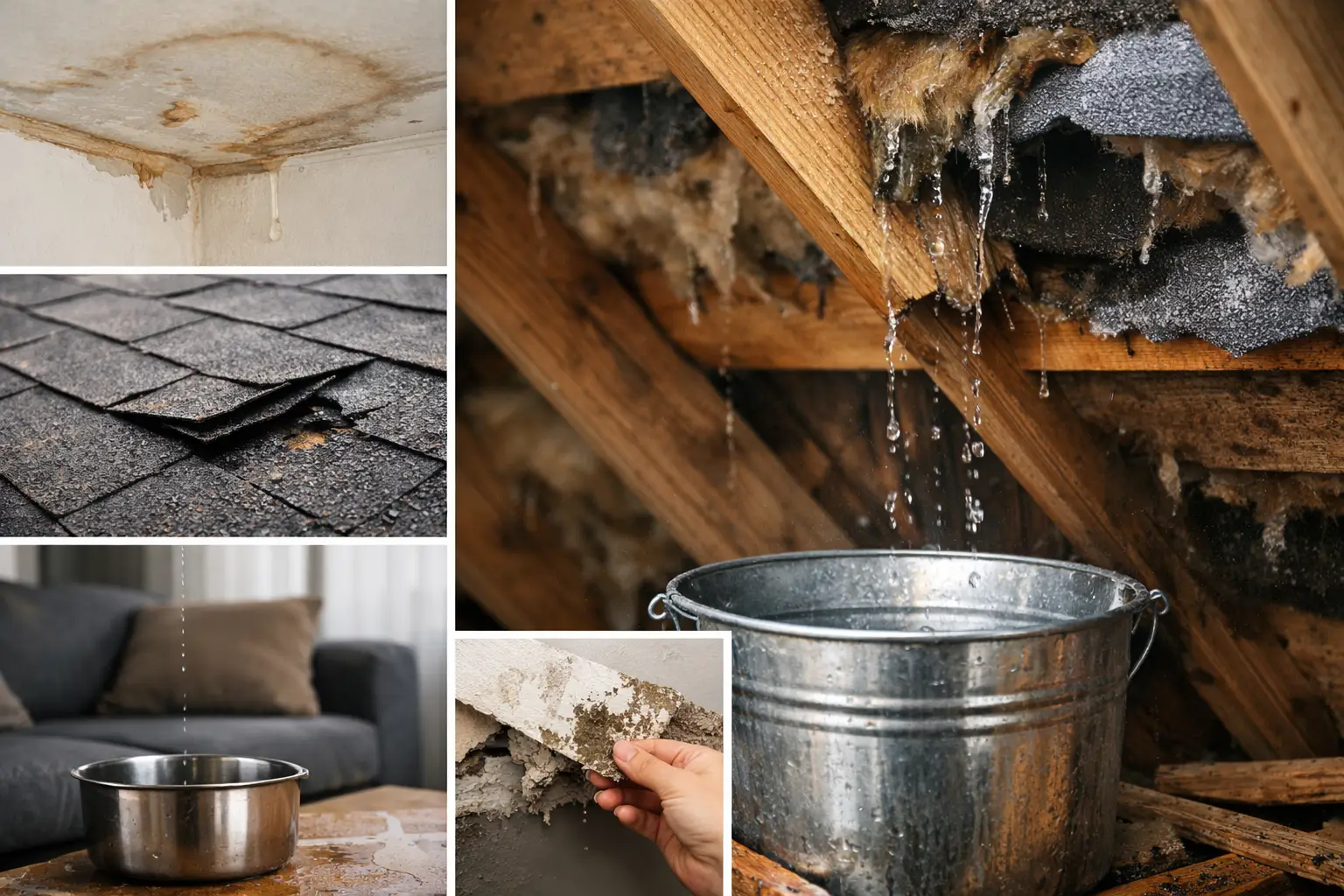
Moisture is one of the most useful clues in any inspection report because it can lead to bigger problems over time. Stained ceilings, high moisture readings, drainage toward the house, damaged flashing, plumbing leaks, and poor ventilation should be read carefully.
A minor drip under a sink is very different from ongoing moisture intrusion in walls or around a slab edge. One is a routine fix. The other may point to hidden damage, mold potential, or long-term deterioration.
4. Deferred maintenance and minor defects
Once you understand the major items, move on to the smaller issues. Loose doorknobs, cracked outlet covers, worn weatherstripping, missing caulk, or an older water heater near the end of its typical service life all matter, but they usually do not carry the same weight as structural or safety concerns.
These notes are still useful. They help you budget realistically and understand how well the property has been maintained. But they should not distract you from the items that have real cost or risk behind them.
Pay attention to the wording
One of the most important parts of learning how to read inspection report language is understanding that inspectors choose words carefully. A report is built around visible conditions at the time of the inspection. It is not a warranty, and it is not a prediction that every noted issue will become a major failure.
Terms like “monitor,” “recommend repair,” and “recommend further evaluation” do not mean the same thing. If an inspector says to monitor a crack, that usually suggests the condition should be watched for change rather than treated as proof of serious structural movement. If the report recommends repair, the problem is generally visible and actionable. If it recommends further evaluation by a specialist, the inspector is signaling that the issue falls outside the scope of a general inspection or needs more invasive review.
Photos matter here too. A good photo can show whether a concern is isolated, widespread, active, patched, or deteriorating. Do not skim past the images. They often tell the story faster than the text.
Know what an inspection report does not tell you
A clear report is valuable, but it has limits. It describes accessible and visible conditions on the day of the inspection. It does not open walls, predict future storms, or guarantee how long an aging system will last.
That matters because buyers sometimes expect a report to answer every question with certainty. Real estate does not work that way. An air conditioning system may be operating at the time of inspection and still fail next summer because of age. A roof may show no active leak signs inside and still be near the end of its service life. It depends on condition, maintenance history, material type, and use.
Reading the report well means respecting both what the inspector found and what still requires judgment.
Focus on three practical questions
As you move through the report, keep returning to three questions.
First, is this a safety issue? Second, is this likely to be expensive? Third, does this need attention now, or can it be planned for later? Those questions help buyers, owners, and agents keep perspective.
For example, a double-tapped breaker in an electrical panel may be a meaningful safety correction even if it is not a major expense. A worn-out HVAC system may not be unsafe today, but it can become a near-term budget issue. A few cracked tiles may be neither urgent nor expensive unless they point to movement below.
Use the report to make decisions, not assumptions
An inspection report should support a conversation, not replace one. If you are buying a home, the report can help you decide whether to request repairs, ask for a credit, bring in a specialist, or accept a condition as part of the property’s overall value.
This is where calm interpretation matters. A long report can still describe a property that is worth buying. A short report can still hide one or two expensive issues that deserve serious attention. The goal is not to react to volume. The goal is to judge significance.
For first-time buyers, this usually means resisting the urge to panic over every highlighted note. For experienced investors, it often means moving quickly on the items that affect numbers. For agents, it means helping clients stay focused on the findings that materially affect the transaction.
When to ask follow-up questions
If a comment feels vague, ask what the finding means in practical terms. Is it an immediate repair, a maintenance recommendation, or a reason to bring in a roofer, electrician, plumber, or foundation specialist? Good inspectors expect these questions.
You should also ask about extent whenever the report suggests a pattern. One damaged shingle is different from widespread roof wear. One reversed polarity outlet is different from multiple electrical defects throughout the house. One hairline crack is different from repeated signs of movement in several areas.
At Howson Inspections, that practical clarity is part of what makes the report useful. The point is not to create alarm. The point is to identify what matters so you can move forward with better information.
Keep age and property type in perspective
A 1970s house, a recently renovated home, and a small commercial building should not be judged by the same expectations. Older properties often have more maintenance notes and more components near the end of their service life. That does not automatically make them poor investments. It means the report should be read with age, construction style, and upkeep in mind.
The same goes for rural Hill Country properties, where drainage, grading, outbuildings, wells, septic systems, and weather exposure can affect findings. Context changes how you interpret the same issue. Surface cracking on a driveway may be minor. Drainage toward the foundation after heavy Texas rain can be much more important.
The most useful way to read the last page
By the time you finish the report, you should be able to sort findings into three groups: fix now, budget for soon, and monitor over time. That simple framework is more helpful than trying to remember every defect listed.
A strong inspection report gives you leverage, clarity, and a realistic view of ownership. Read it for meaning, not drama. If a property still makes sense after you understand the major issues, you are in a much better position than someone who only looked at the listing photos.
The best next step is usually not to ask whether the property is perfect. It is to ask whether you now understand it well enough to move forward with confidence.