
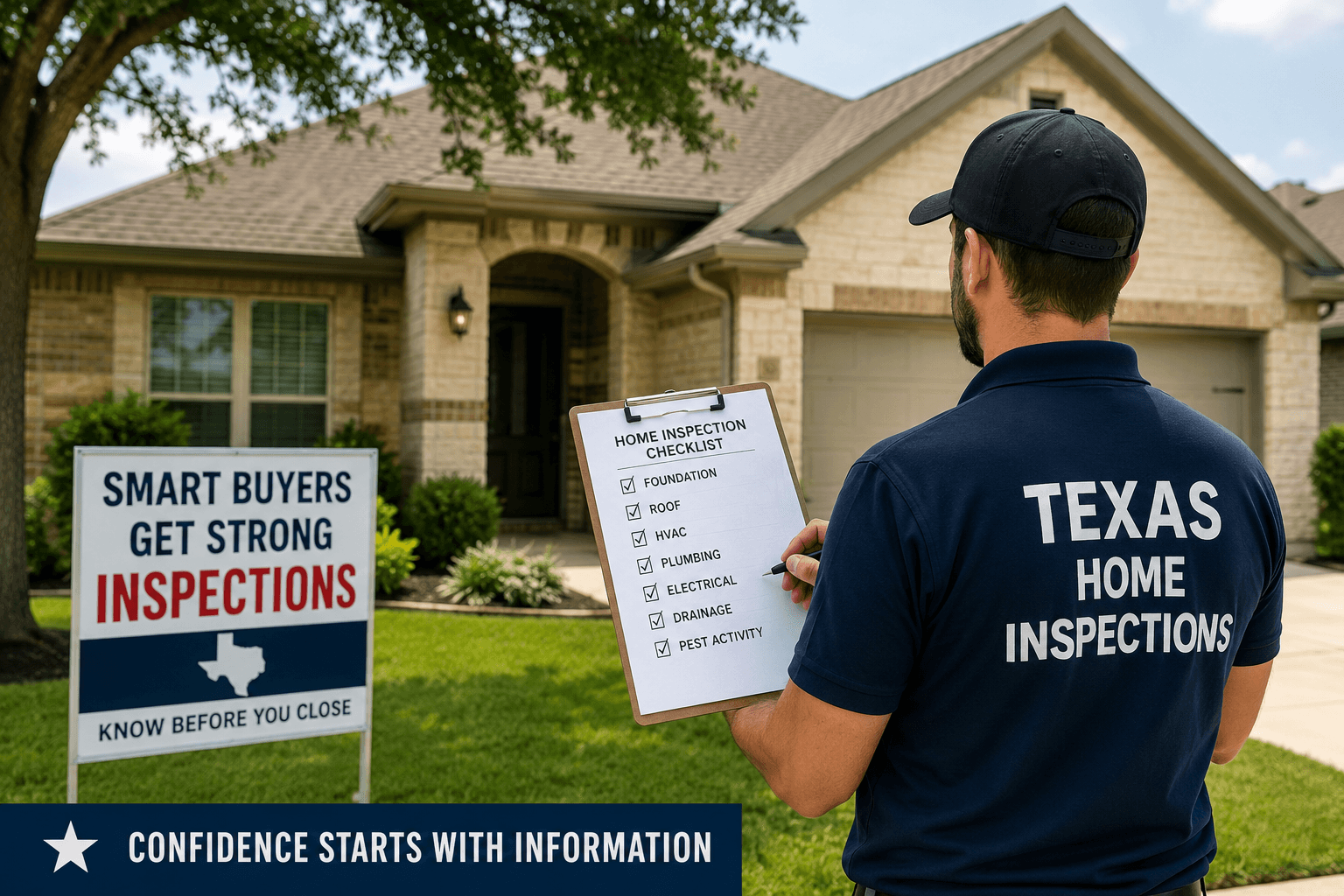
Buying your first home in Texas feels exciting and a little overwhelming. You are about to make a big financial and emotional commitment, and it is completely normal to worry about what might be hiding behind fresh paint or new flooring. That is where a solid home inspection gives you clarity and protects your budget.
Understanding Why Texas Buyers Need Strong Inspections
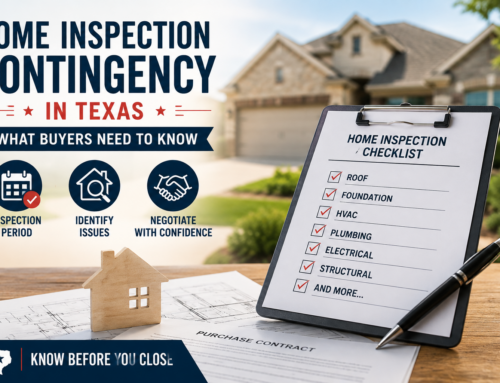
A home inspection is your risk filter. It does not pass or fail the house. It shows you how the major systems are performing today, what needs attention soon, and where you might face bigger costs down the road.
Common Texas Home Issues A Good Inspection Can Reveal
- Foundation movement from Texas soil
Expansive clay soil, long dry spells, and sudden heavy rain can cause settlement, cracks, and doors that stick. An inspection helps you understand whether you are seeing normal hairline movement or signs of more serious structural stress. - Roof wear from sun and storms
Texas heat, UV exposure, hail, and high winds can shorten roof life. An inspector checks shingles, flashing, roof penetrations, and attic ventilation so you know if the roof is near the end of its useful life or still in good shape. - HVAC strain in extreme heat
Cooling is not optional in Texas. An inspection looks at system age, visible condition, airflow, thermostat operation, and general performance indicators so you can plan for repairs or replacement instead of getting surprised in the first summer. - Water intrusion and drainage problems
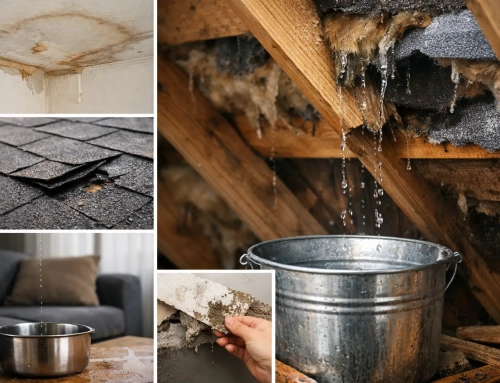
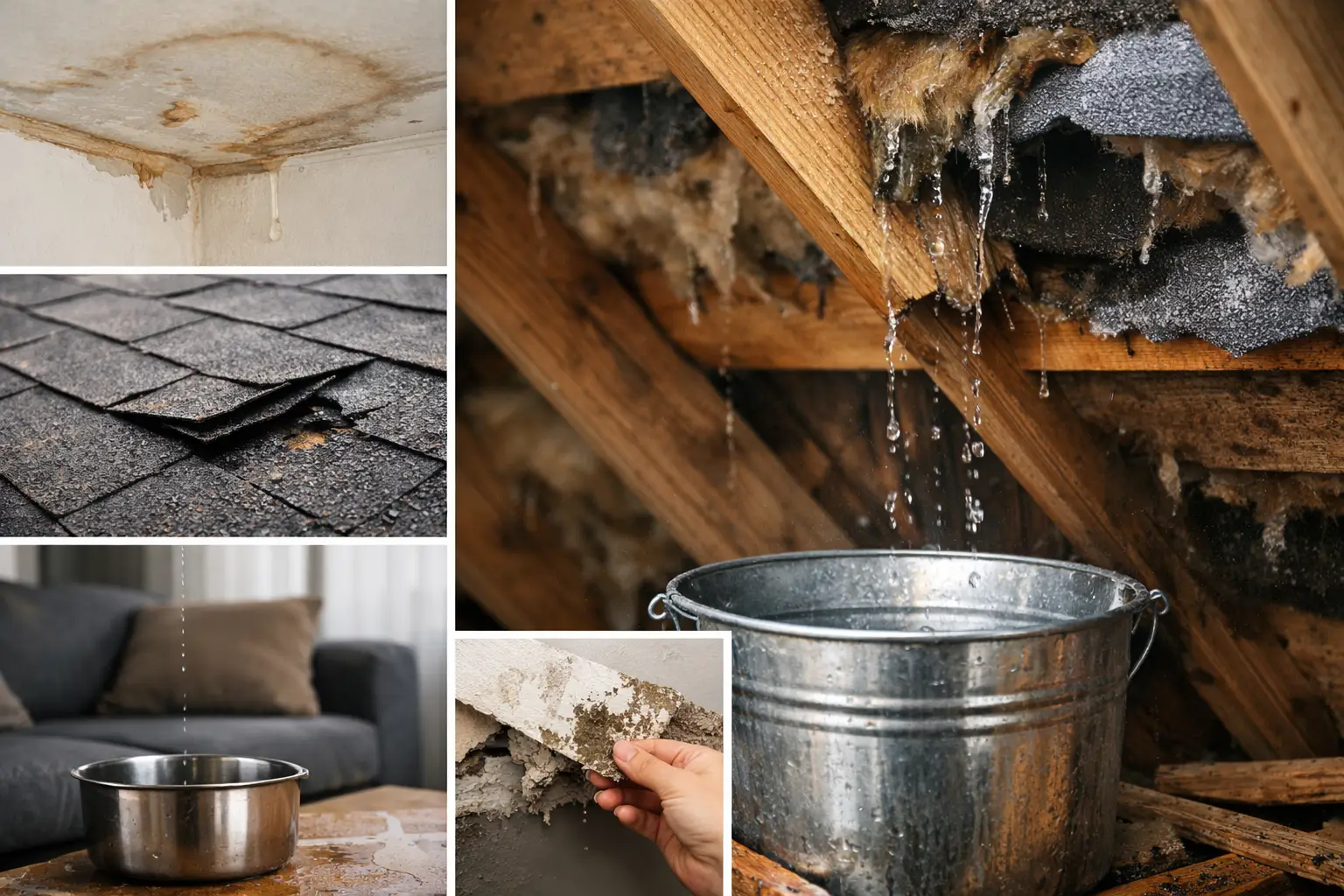
Poor grading, clogged gutters, or missing flashings can send water into walls, attics, or under the slab. Inspectors look for moisture stains, soft materials, and drainage concerns that can damage structure and finishes over time. - Outdated electrical and plumbing
Older panels, loose connections, aging piping, or amateur repairs can create safety and leak risks. A detailed inspection points these out so you can address them before they become emergencies. - Pest activity common in Texas
Texas climates attract wood destroying insects and other pests. Inspectors look for visible signs, entry points, and conducive conditions that may require a separate specialist.
How Inspections Reduce Stress For First Time Buyers
- They give you clear information so you are not guessing about repair needs or safety issues.
- They support negotiation by giving you documented findings you can discuss with your agent and the seller.
- They help you budget by separating cosmetic wishes from urgent safety or structural concerns.
- They protect your peace of mind because you are making decisions based on facts, not fear.
If you want a deeper overview of what inspectors look for, you can review this detailed guide on the complete home inspection process. When you understand how inspections work in Texas, you walk into your first purchase with far more confidence and far fewer surprises.
Selecting a Qualified Texas Home Inspector
Choosing the right inspector in Texas makes a huge difference in how confident you feel about your first home. You are trusting this person with your biggest purchase, so it is worth slowing down and choosing carefully instead of just grabbing the first name on a list.
1. Confirm Texas Licensing And Training
In Texas, residential inspectors must hold a license. Before you hire anyone, verify that:
- The inspector has an active Texas real estate inspector license.
- Their name and license type match what you see on the Texas licensing search.
- They complete regular education to stay current on Texas standards of practice.
If an inspector hesitates to share a license number, treat that as a red flag.
2. Look For True Texas Home Experience
You want someone who understands how Texas soil, heat, and storms affect homes. Ask for clear information such as:
- How long they have been inspecting homes in Texas.
- What kinds of properties they inspect most often in your area.
- Whether they have a background in construction or building systems.
3. Know What A Texas Inspection Must Cover
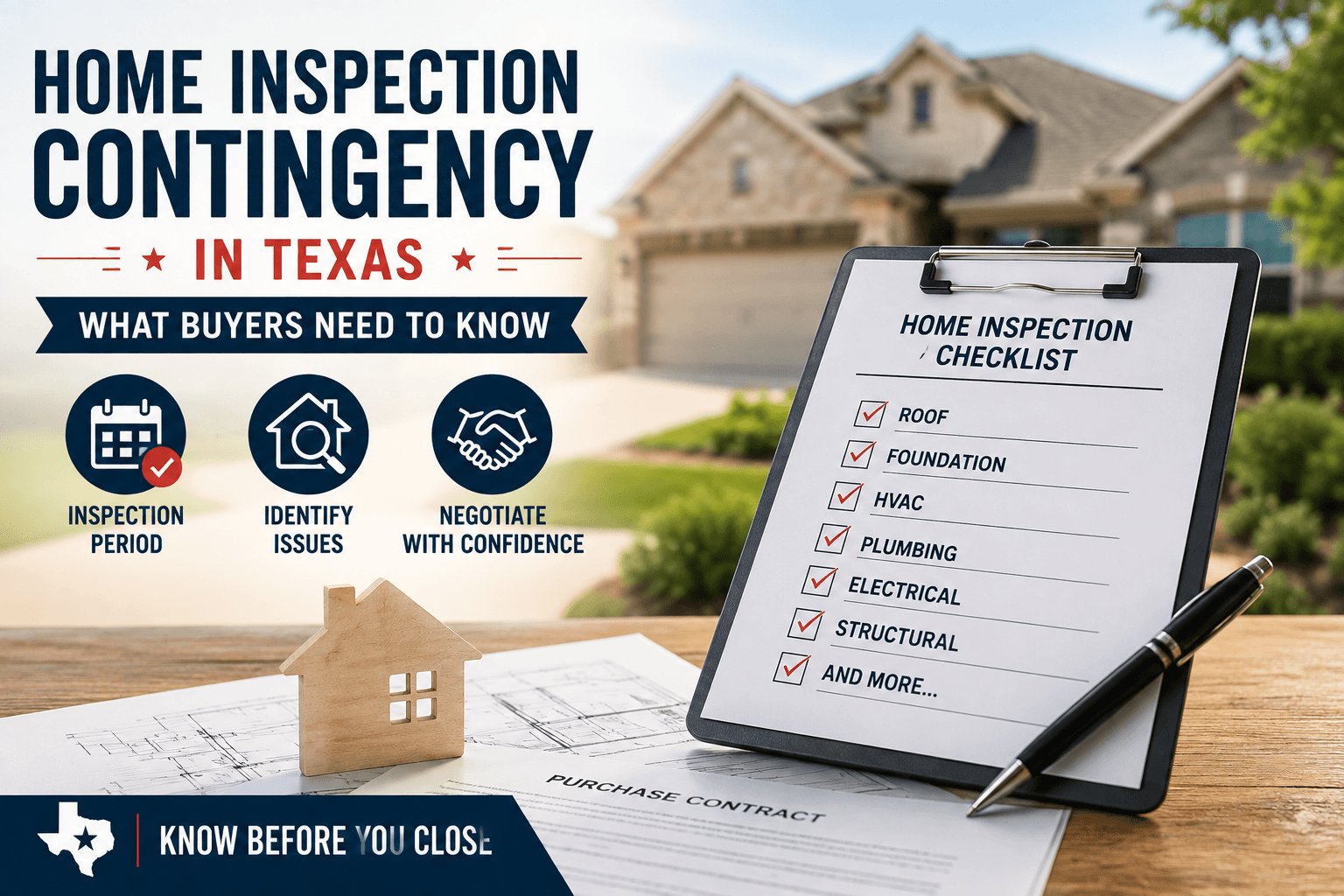
Texas has a standard inspection form and required areas that inspectors must address. At a minimum, a general home inspection should cover:
- Structural systems, including foundation and framing.
- Roof and attic.
- HVAC systems suited to Texas heat.
- Plumbing and fixtures.
- Electrical panels, wiring that is visible, and safety devices.
- Interior, exterior, and site drainage observations.
You can learn more about what inspectors check in this guide on what real estate inspectors look for.
4. Interview And Vet Your Inspector
Treat this like hiring a key professional for your team. Here are helpful questions:
- What is included and not included in your inspection.
- Can I see a sample inspection report.
- How quickly will I receive my report after the inspection.
- Do you encourage buyers to attend the inspection.
- How do you handle follow up questions after we read the report.
Pay attention to how clearly they explain things. You want someone who can translate technical details into plain language, especially if this is your first purchase.
5. Choose Communication And Clarity Over The Cheapest Price
Price matters, but it should not be your only factor. A clear, detailed report and patient communication often save buyers far more money than a small discount. If you want a deeper breakdown of process and expectations, this resource on the home inspection process and what to expect can help you prepare before you schedule.
Key Areas To Focus On During A Texas Home Inspection
During your first home inspection in Texas, it helps to know where to focus your energy. The inspector will check all major systems, but you should understand the big risk areas that Texas homes face so you can ask clear questions and feel confident about what you are buying.
1. Foundation And Texas Soil Movement
Texas soil can expand when wet and shrink when dry, which puts stress on foundations. During the inspection, pay close attention to:
- Cracks in walls, ceilings, and foundation surfaces.
- Doors that stick, gaps around doors or windows, and sloping floors.
- Drainage around the home that either pulls water away or lets it pool near the slab or piers.
If your inspector recommends further structural evaluation, treat that as useful guidance, not a reason to panic.
2. Roof Condition Under Texas Sun And Storms
Strong sun, heat, and storms can wear a roof faster in many parts of Texas. Ask your inspector about:
- Overall shingle condition and remaining life estimate.
- Flashing at chimneys, vents, and valleys where leaks often start.
- Attic ventilation and any signs of past or current roof leaks.
For deeper roof guidance, you can review this resource on roof leak warning signs that matter.
3. HVAC Systems In Texas Heat
Cooling is a comfort issue and a safety issue in a Texas summer. During the inspection, make sure you understand:
- Approximate age and visible condition of the air conditioning system.
- Airflow at supply vents and return air paths.
- Thermostat operation and whether each system responds as expected.
Ask your inspector which items are maintenance, which are repairs, and what might turn into near term replacement.
4. Plumbing And Electrical Safety
These systems may sit behind walls, but small issues can create big problems. Focus on:
- Active leaks, water stains, and water pressure concerns.
- Type and visible condition of supply and drain piping.
- Electrical panel labeling, visible wiring, and basic safety devices that are present or missing.
5. Texas Pest And Moisture Concerns
Many Texas areas see activity from wood destroying insects and other pests. During the inspection, note:
- Wood that contacts soil or stays damp.
- Areas with poor ventilation or chronic moisture.
- Visible damage that looks like tunneling, frass, or nesting materials.
Your general inspector may recommend a separate pest or specialty inspection if they see conditions that need closer review. You can also use a broader checklist like the one in this guide on what real estate inspectors look for to stay organized as you walk the home.
Navigating Texas Specific Inspection Requirements And Seller Disclosures
Once you are under contract in Texas, your inspection period moves quickly. Understanding how Texas disclosures and inspection rules fit together helps you protect yourself without feeling lost in paperwork.
1. Know What Texas Sellers Must Disclose
Texas uses a standard seller disclosure notice for most residential properties. As a buyer, you should read this closely before and after the inspection. Look for items such as:
- Past water intrusion or drainage concerns.
- Previous foundation movement or repairs.
- Roof leaks or roof repairs.
- History of HVAC, electrical, or plumbing issues.
- Past termite treatment or other pest concerns.
Important point The disclosure is based on what the seller knows. It is not a substitute for a professional inspection.
2. What Texas Inspectors Are Required To Report
Licensed Texas inspectors follow a standards of practice and a required report format. That means your report will address specific systems and will clearly mark items the inspector considers deficient. Expect to see clear comments on:
- Structural issues such as foundation, framing, and roof structure.
- Roof covering condition and visible signs of prior leakage.
- HVAC performance and visible safety concerns.
- Plumbing leaks, improper materials, or visible defects.
- Electrical panel issues, unsafe wiring that is visible, and missing safety devices.
- Grading and drainage conditions that can affect the foundation.
If you want more help reading this type of report, this guide on how to read inspection report findings walks through common sections in clear language.
3. How To Compare Disclosures And The Inspection Report
Once you receive the report, compare it to the seller disclosure line by line. Use this simple framework:
- Disclosed and confirmed The seller mentioned an issue and the inspector saw the same thing.
- Disclosed but unclear The seller mentioned something, but the inspector notes different or more serious conditions.
- Not disclosed but reported The seller did not list a problem, and the inspector found one.
This comparison helps you and your agent decide where to focus repair requests or follow up questions.
4. Using Inspection Findings To Negotiate Repairs Or Contingencies
In Texas, you typically have an option period where you can negotiate or walk away. Use the inspection to guide that discussion instead of guessing. Work with your agent to:
- Prioritize health, safety, and major structural items first.
- Group smaller issues together as a repair list or credit request.
- Ask for further evaluation when the inspector recommends a specialist.
- Decide when it makes more sense to accept the home as is and plan future repairs.
Your goal is not a perfect house Your goal is a clear picture of what you are buying, with enough information to decide if the price and condition match your comfort level. If you are unsure how to time your next inspection step, you can review this resource on when buyers should schedule an inspection so you stay ahead of contract deadlines.
Preparing For Texas Home Inspection Day And What To Expect
Inspection day can feel stressful, especially when this is your first Texas home. A little preparation makes the visit smoother and helps you get real value from the time with your inspector.
Before The Inspector Arrives
Work with your agent and the seller to make sure the home is ready. Ask that:
- All utilities are on, including electricity, water, and gas.
- Attic, crawlspace, garage, and electrical panels are accessible.
- Pets are secured and any alarm systems are disarmed or instructions are provided.
Bring what you need to stay focused and comfortable in Texas weather, such as water, closed toe shoes, and a notepad or digital notes. If you want a more detailed prep checklist, this guide on how to prepare for a home inspection walks through useful steps.
How To Show Up And What To Watch
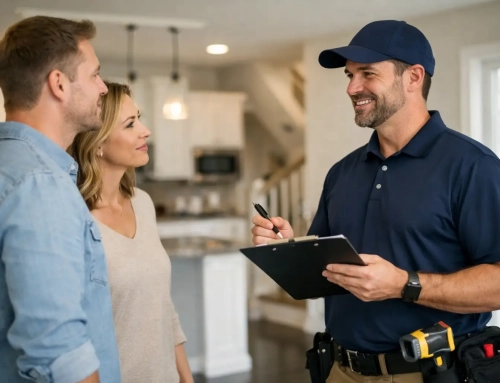
Plan to attend if you can. The report is important, but walking the house with the inspector gives you context that a PDF cannot. During the inspection, you can:
- Listen for how the inspector explains issues and the level of concern.
- Look closely at foundations, roof edges, HVAC equipment, and wet areas like kitchens and baths.
- Ask clarifying questions such as “Is this safety, maintenance, or potential major repair.”
Give the inspector room to work and take notes. Save your deeper questions for natural breaks, for example when the inspector finishes a system or the full walk through.
Interpreting Your Texas Inspection Report
The report may feel long, which is normal. Use this simple framework to turn a long list into a clear plan.
- Sort by priority. Mark items that affect safety, water intrusion, or structure. These are your top focus for negotiations.
- Separate current defects from future planning. Many notes describe maintenance or aging systems, not emergencies.
- Flag items you do not understand. Schedule a phone call or email with your inspector and walk through those specific comments.
Your goal is not to fix every item before closing. Your goal is to understand what you are buying and decide what you will ask the seller to address. For more help making sense of inspection findings, you can review buyer focused tips in this resource on home inspection tips for buyers.
You are not expected to know everything on inspection day. Come prepared, ask clear questions, and use the report as a guide so your first Texas home feels like a confident step, not a blind leap.
Post Inspection Steps For Texas Buyers Evaluating Findings And Next Moves
Once your Texas home inspection report lands in your inbox, it is normal to feel a little overwhelmed. You might see pages of notes and think, Is this house a mistake. Take a breath. A detailed report is a tool, not a verdict. Here is how to turn those findings into smart next steps.
1. Sort Your List Into Clear Priorities
Start by grouping items into three buckets.
- Health and safety Issues that could hurt someone or create fire, shock, or indoor air risks.
- Water and structure Leaks, drainage, roof problems, and foundation concerns that can grow more expensive if you wait.
- Comfort and cosmetic Aging finishes, minor wear, or items that can wait until after you move in.
Focus your energy and negotiation on the first two buckets. Cosmetic items rarely decide a Texas deal.
2. Work With Your Realtor As A Strategy Partner
Share your priority list with your agent and ask for a simple plan. Together, you can decide whether to:
- Request repairs on specific high impact items.
- Ask for a seller credit so you handle repairs after closing.
- Request a price adjustment when major systems need work.
Your agent understands local norms and how sellers in your Texas market typically respond. Combine that insight with your inspector’s findings for clear, confident requests.
3. Decide When To Negotiate And When To Walk Away
Some homes have repair needs that are workable. Some reveal risks that do not fit your comfort level or budget. Use this framework.
- Good candidate for repair negotiations Defects are mostly repairable items, total work feels manageable, and you still like the home and location.
- Possible walk away Multiple major systems need work, structural or drainage risks look significant, or the seller refuses to address serious concerns.
If you are stuck, schedule a short call with your inspector and ask which items worry them most. A clear conversation often makes the decision much easier.
4. Prepare For Closing With A Realistic Texas Repair Plan
Once you and the seller reach an agreement, create a simple post closing plan.
- List repairs the seller will complete before closing, and confirm receipts or documentation.
- Note projects you will tackle in the first [insert timeframe] after move in, such as drainage improvements or HVAC servicing.
- Set a budget range for longer term items like roof replacement or foundation monitoring.
The goal is peace of mind, not perfection. With a solid inspection, a clear priority list, and a realistic plan, you can walk into closing feeling informed instead of anxious. If you want extra help reading inspection findings, you can review buyer focused guidance in this overview of what a residential real estate inspector checks or schedule your next inspection through our scheduling page so you stay ahead of surprises.
Common Pitfalls Texas First Time Buyers Should Avoid During Home Inspections
When you are new to the Texas market, it is easy to miss things that an experienced buyer would catch. You do not have to learn the hard way. Here are common mistakes I see first time buyers make, and how you can avoid them.
1. Skipping The Inspection To “Save” Money
Some buyers are tempted to waive inspections to win a multiple offer situation. That can turn into expensive surprises. A general inspection costs far less than dealing with hidden foundation, roof, or HVAC problems later.
2. Treating The Inspection As A Formality
The inspection is not just a box to check. Show up, walk with the inspector when allowed, and ask clear questions. Passive buyers miss chances to understand how their future home really works.
3. Overlooking Texas Climate And Soil Issues
Texas brings heat, intense sun, storms, and expansive clay soil. Do not gloss over items such as:
- Grading and drainage around the foundation.
- HVAC performance and age in a high heat climate.
- Roof wear from sun and storm exposure.
If your report flags these, take them seriously. You can review deeper guidance on Texas problem areas in this article on real deal killers in Texas home inspections.
4. Ignoring “Minor” Defects That Add Up
Small issues such as missing caulk, loose fixtures, or minor plumbing drips can seem harmless. In Texas moisture and heat, those same items can grow into rot, mold, or higher utility bills. Use your report to plan repairs, even for items that do not feel urgent.
5. Focusing Only On Cosmetics
Fresh paint and new flooring are nice. They do not tell you anything about the electrical panel, attic insulation, or drainage. Ask your inspector which items affect safety, structure, and water management, then put more weight on those than on surface finishes.
6. Not Asking Follow Up Questions
Many buyers read the report, feel confused, and stay silent. If something is unclear, reach out. Most inspectors expect follow up calls or emails. Use that time to ask which [insert number] items they would treat as top priority.
7. Assuming The Inspector Found “Everything”
An inspection is visual and limited to accessible areas. It is a strong tool, but it is not X ray vision. When your inspector recommends a specialist, such as structural, roofing, or pest, take that next step instead of assuming it is optional.
8. Waiting Too Long To Schedule
In Texas, option periods can be short. If you wait to book, you risk a rushed inspection or limited negotiation time. As soon as your offer is accepted, schedule with a licensed inspector. If you need help with that process, this resource on how to schedule an inspection walks through typical steps.
9. Letting Fear Override The Big Picture
A long report can look scary. Remember that most homes, even good ones, have a list of defects. Focus on patterns and major systems instead of stressing over every noted chip or crack.
10. Not Using The Report For Negotiation
Some buyers see issues and assume they must either accept everything or walk away. In many cases, you can request repairs, credits, or price adjustments. Your report is a negotiation tool. Share it with your agent and build a clear plan.
You deserve to feel confident walking into your first Texas home. Avoid these pitfalls, lean on your inspector and agent, and use the inspection as your roadmap to a safer, more informed purchase.