

A low asking price can lose its appeal quickly when a commercial property has a failing roof, unsafe electrical panels, hidden plumbing leaks, or signs of foundation movement. That is why commercial building inspection cost matters early in the buying process. It is not just another line item in due diligence. It is a practical way to measure risk before you commit to a much larger expense.
For buyers, investors, and agents, the real question is usually not whether an inspection costs money. It is whether the inspection helps prevent a bad decision. In most cases, the answer is yes. A thorough inspection can clarify current condition, likely repair needs, and whether the property is priced fairly for what you are actually buying.
What affects commercial building inspection cost?
Commercial building inspection cost is driven first by size. A small office condo will usually cost less to inspect than a multi-tenant retail center, warehouse, church, or mixed-use building. More square footage means more roof area, more HVAC components, more plumbing fixtures, more electrical distribution, and more time on site.
Property type also changes pricing. A simple one-story structure with straightforward systems is easier to evaluate than an older building with additions, deferred maintenance, and a long list of mechanical equipment. Restaurants, medical spaces, industrial properties, and buildings with specialized systems often require more inspection time because there is more to review and more that can go wrong.
Age matters too. Older commercial buildings tend to have more wear, more repairs, and more layers of past modifications. An inspector may need extra time to sort out what is original, what has been updated, and what may no longer perform as intended. That does not always mean a higher fee by itself, but older properties often take longer to inspect carefully.
Location and accessibility can also affect cost. If the building is in the Texas Hill Country and spread across a large site with multiple structures, detached service areas, or difficult roof access, that adds time. Vacant buildings are often easier to inspect than occupied ones, but not always. A fully operating business can create scheduling constraints and limit access to some areas, which can stretch the process.
The final factor is scope. Some clients want a standard commercial property inspection focused on major systems and visible conditions. Others may need added services or specialists for mold, sewer lines, environmental concerns, pool equipment, or structural engineering review. Those are separate decisions, and they can change the total budget significantly.
Typical commercial building inspection cost ranges
There is no single statewide number that fits every property, but most commercial inspections are priced according to square footage and complexity. For a smaller commercial space, the fee may be in the low thousands. For larger or more complex buildings, it can increase from there based on inspection time, reporting requirements, and the number of systems involved.
This is where buyers sometimes get tripped up. They compare one inspection quote to another without confirming what each one includes. A lower fee may reflect a narrower scope, a faster walkthrough, or a less detailed report. A higher fee may include a more complete visual inspection, better documentation, and clearer reporting on major cost and safety issues. Price matters, but scope matters more.
If you are reviewing quotes, ask how pricing is calculated. Some companies use a simple square footage model. Others use square footage as a starting point and adjust based on age, occupancy, roof type, number of HVAC units, and site features. Transparent pricing is usually a good sign because it shows the inspector has a consistent process rather than guessing at the job.
What you are paying for
A commercial inspection is not just time spent walking the property. You are paying for trained judgment, an organized process, and a report that helps you make a decision with better information.
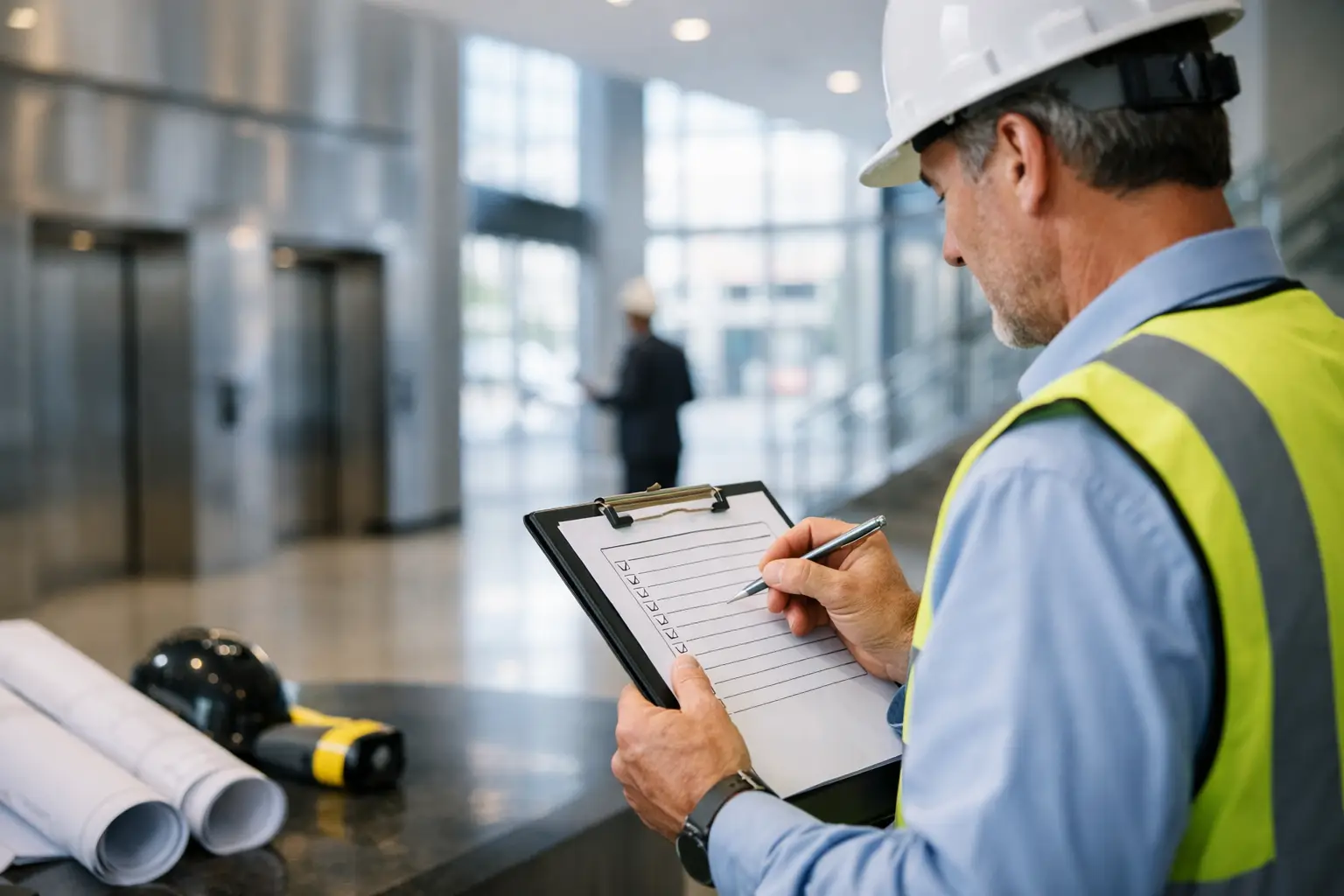
A quality inspection typically includes a visual evaluation of major accessible systems and components. That often means the structure, roof, exterior, grading and drainage, plumbing, electrical, HVAC, interior finishes, doors, windows, and visible signs of water intrusion or movement. The purpose is to identify material defects, maintenance concerns, safety issues, and conditions that deserve further review.
You are also paying for report quality. A fast, factual report is useful because transactions move quickly. Buyers and agents need clear findings they can act on, not vague language or unnecessary alarm. The strongest reports explain what was observed, why it matters, and what next step makes sense, whether that is repair, monitoring, budgeting, or specialist evaluation.
That is one reason experienced inspectors bring value beyond the basic fee. A seasoned commercial inspector is better equipped to distinguish between a manageable maintenance item and a condition that could change negotiations, financing, or ownership costs.
When a lower inspection fee can cost more later
Every buyer wants to control due diligence costs, and that is reasonable. But a bargain inspection can become expensive if it misses a major issue or produces a report too thin to support negotiations.
A roof near the end of its service life may not be obvious from the parking lot. Electrical deficiencies may be hidden inside panels or in the pattern of outdated components. Drainage problems may only become clear when someone looks closely at site grading, foundation signs, and water entry points. If those issues are overlooked, the buyer may inherit repair costs far greater than the savings on the inspection fee.
The same is true when the report lacks clarity. If findings are vague, a buyer may struggle to estimate repair costs or explain concerns to the seller. Real estate agents also benefit from reports that are firm on facts without turning every defect into a crisis. Good communication supports better decisions and usually smoother negotiations.
How to budget for commercial building inspection cost
The safest approach is to treat the inspection as one part of a broader due diligence budget. Along with the inspection fee itself, leave room for possible follow-up evaluations. If the inspector identifies structural movement, roof concerns, or aging mechanical systems, you may decide to bring in a roofer, engineer, electrician, or HVAC contractor for pricing or deeper analysis.
It also helps to think in percentages rather than just dollars. On a commercial transaction, the inspection fee is often small compared with the purchase price, financing obligations, tenant improvement costs, and future capital expenses. Spending a reasonable amount to understand condition upfront is usually a sound trade.
Buyers should also ask practical questions before scheduling. How long will the inspection take? When will the report be delivered? Is the scope focused on the building only, or does it include site elements and detached structures? Are inaccessible areas noted clearly? Those answers help you compare services fairly and avoid surprises.
For many Texas buyers, especially those purchasing older Hill Country properties, it is wise to assume that complexity may be higher than it first appears. Buildings in this region can present drainage issues, roof wear from heat and storms, foundation movement, and aging equipment that still functions but may not have much life left. A realistic budget accounts for that possibility.
How to compare inspection quotes the right way
If you are choosing between providers, do not focus only on the total number. Ask what kind of property they inspect most often, how detailed their reports are, and how quickly they deliver findings. Commercial clients usually need dependable scheduling and clear turnaround, not just a low fee.
It is also worth asking how the inspector communicates concerns. A level-headed inspection process is especially helpful in active transactions. Buyers need honest findings. Agents need accurate documentation. Sellers do not need inflated language that creates confusion where a factual explanation would do the job better.
This is where experience tends to show. An inspector with years in the field can often identify patterns faster, explain conditions more clearly, and keep attention on the issues that truly affect safety, cost, and decision-making. At Howson Inspections, that steady approach is part of what helps clients move forward with confidence instead of guesswork.
Is commercial building inspection cost worth it?
For most buyers, yes. The inspection fee buys information, and information is what keeps expensive surprises from showing up after closing. That does not mean every finding will be a deal breaker. Many issues are negotiable, repairable, or simply part of owning an aging building. But you are in a far better position when you know about them before the property becomes your responsibility.
The best way to think about commercial building inspection cost is this: you are not paying for bad news or good news. You are paying for a clearer picture of the property you may be about to own. When the numbers are significant and the risks are real, clarity is money well spent.
A good inspection should leave you with fewer assumptions and better questions, which is often exactly what protects a smart purchase.