
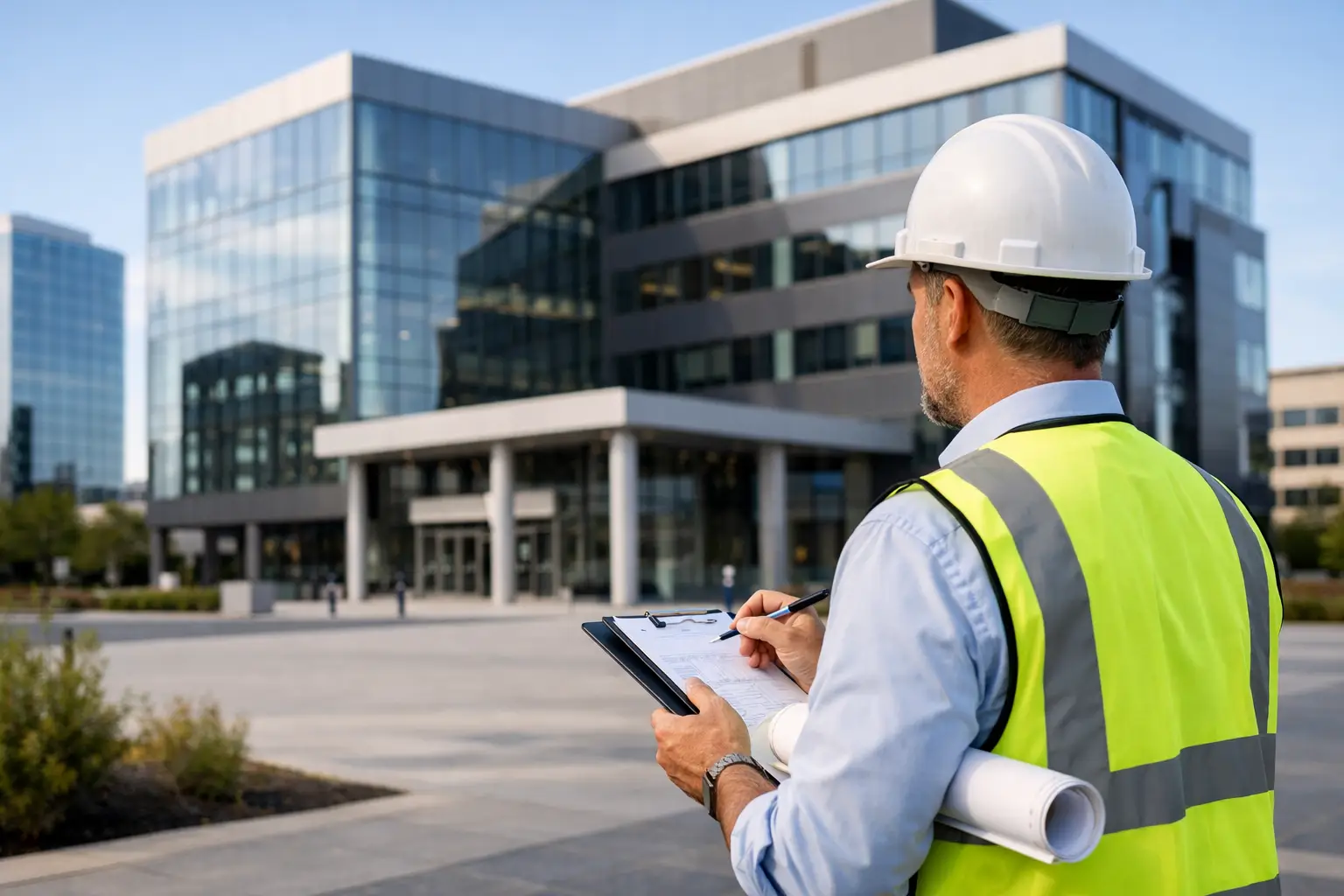
A commercial purchase can look solid on paper and still hide expensive problems behind the walls, above the ceiling, or across the roof. That is why buyers, owners, and brokers often ask, what is a commercial building inspection, and what does it actually tell you before a deal moves forward?
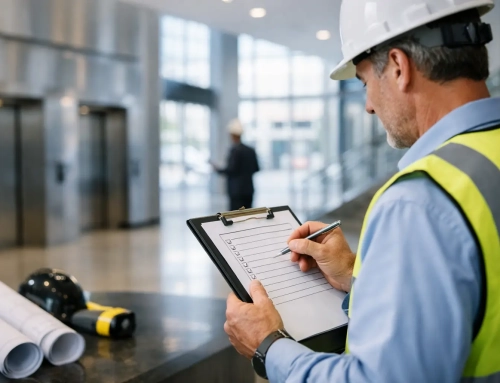
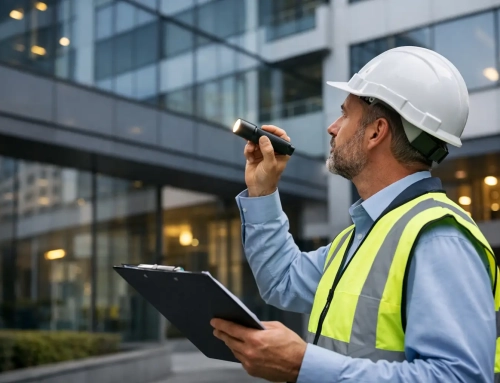
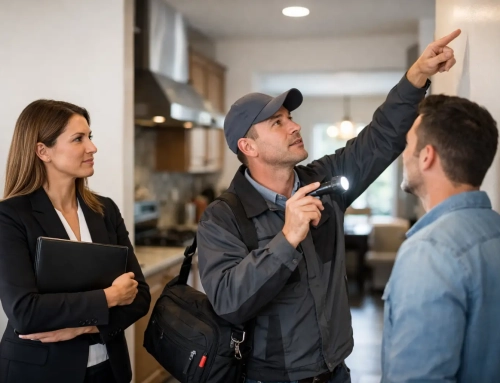
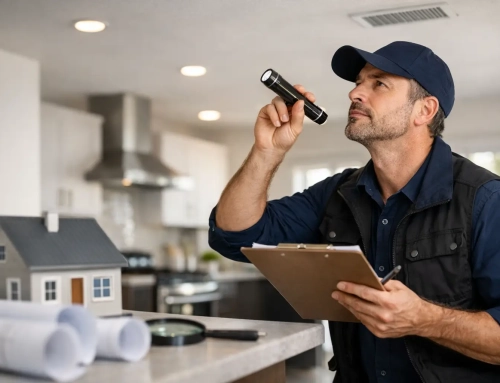
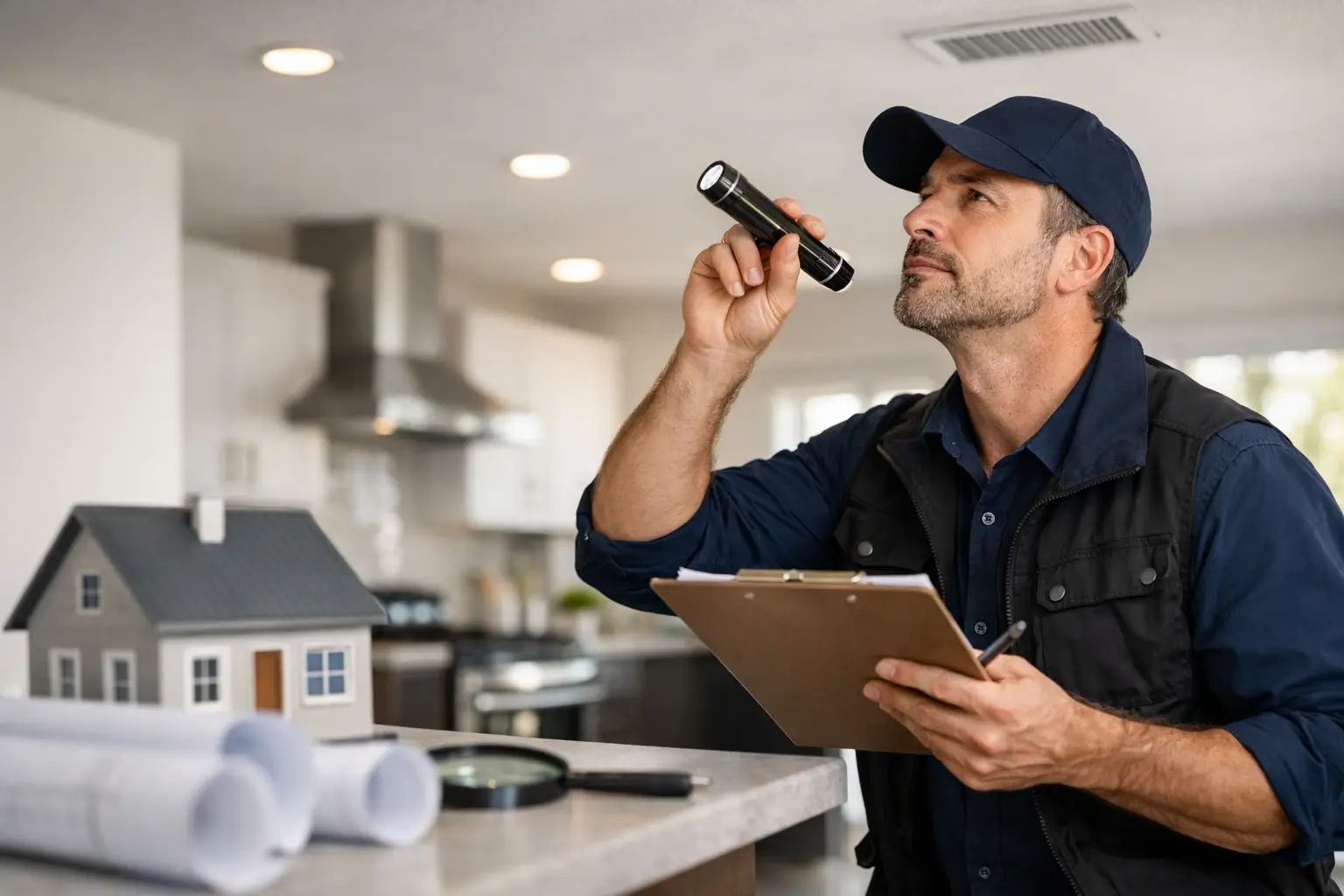
A commercial building inspection is a professional evaluation of a property’s visible and accessible systems and components. Its purpose is straightforward – to give you a clear picture of the building’s current condition so you can make a better decision about buying, leasing, owning, or negotiating repairs. It is not about creating alarm. It is about identifying material issues, deferred maintenance, safety concerns, and major cost items before they become your responsibility.
What Is a Commercial Building Inspection and Why Does It Matter?
In practical terms, a commercial building inspection is due diligence. The inspector reviews the property’s major systems, documents observed defects, and explains what those findings may mean for function, safety, and budget.
For a buyer, that information can affect the purchase price, repair requests, reserve planning, and even whether the property still makes sense as an investment. For an owner, it can help prioritize maintenance and reduce the chance of being caught off guard by a failing roof, an unsafe electrical condition, or drainage issues that have been quietly damaging the structure.
Commercial properties tend to involve higher stakes than a typical house. The buildings are often larger, older, more complex, and more expensive to repair. If a retail center has roof leaks, if an office building has aging HVAC equipment, or if a warehouse shows signs of foundation movement, those issues can quickly become major line items.
That is why the inspection matters. It helps replace assumptions with facts.
What a Commercial Building Inspection Usually Covers
The exact scope depends on the size, age, and type of property, but most commercial inspections focus on the major components that affect safety, operation, and long-term cost.
Structure and Foundation
The inspector looks for visible signs of structural distress, settlement, cracks, movement, or other conditions that may indicate foundation or framing concerns. In Texas, movement related to soil and drainage is a common issue, so this part of the inspection deserves careful attention.
Not every crack means a major failure. Some are cosmetic. Others point to shifting that may need further evaluation. A good inspection helps separate the routine from the costly.
Roofing Systems
Roof problems are one of the most common and expensive findings in commercial properties. The inspection may identify active leaks, ponding water, damaged membrane sections, flashing defects, drainage issues, patchwork repairs, or signs of age-related wear.
A roof does not have to be actively leaking on inspection day to be near the end of its service life. That distinction matters when you are budgeting for ownership.
Electrical Systems
Commercial electrical defects can range from minor maintenance items to serious safety concerns. Inspectors look for issues such as damaged panels, improper wiring methods, missing covers, overloaded components, and other visible hazards.
The goal is not to perform a full engineering analysis. It is to identify observed conditions that may affect safety, reliability, or future repair costs.
Plumbing
A commercial inspection often includes visible supply lines, drain lines, fixtures, water heaters, and signs of leakage or deterioration. In some buildings, plumbing defects are obvious. In others, the clues are subtle – staining, moisture damage, poor water pressure, or aging materials that are more failure-prone.
HVAC Equipment
Heating and cooling systems are major budget items in commercial real estate. Inspectors evaluate the visible condition and basic operation of accessible equipment and note concerns such as aging units, deferred maintenance, poor performance, or components nearing replacement.
An HVAC system may still be running while also being close to the end of its useful life. That is the kind of information buyers need before they inherit a large capital expense.
Exterior, Drainage, and Site Conditions
The building itself is only part of the story. Site grading, drainage flow, paving, walkways, retaining features, and exterior cladding can all affect the structure over time. Water management problems are especially important because they often contribute to foundation movement, moisture intrusion, and ongoing deterioration.
What a Commercial Building Inspection Does Not Do
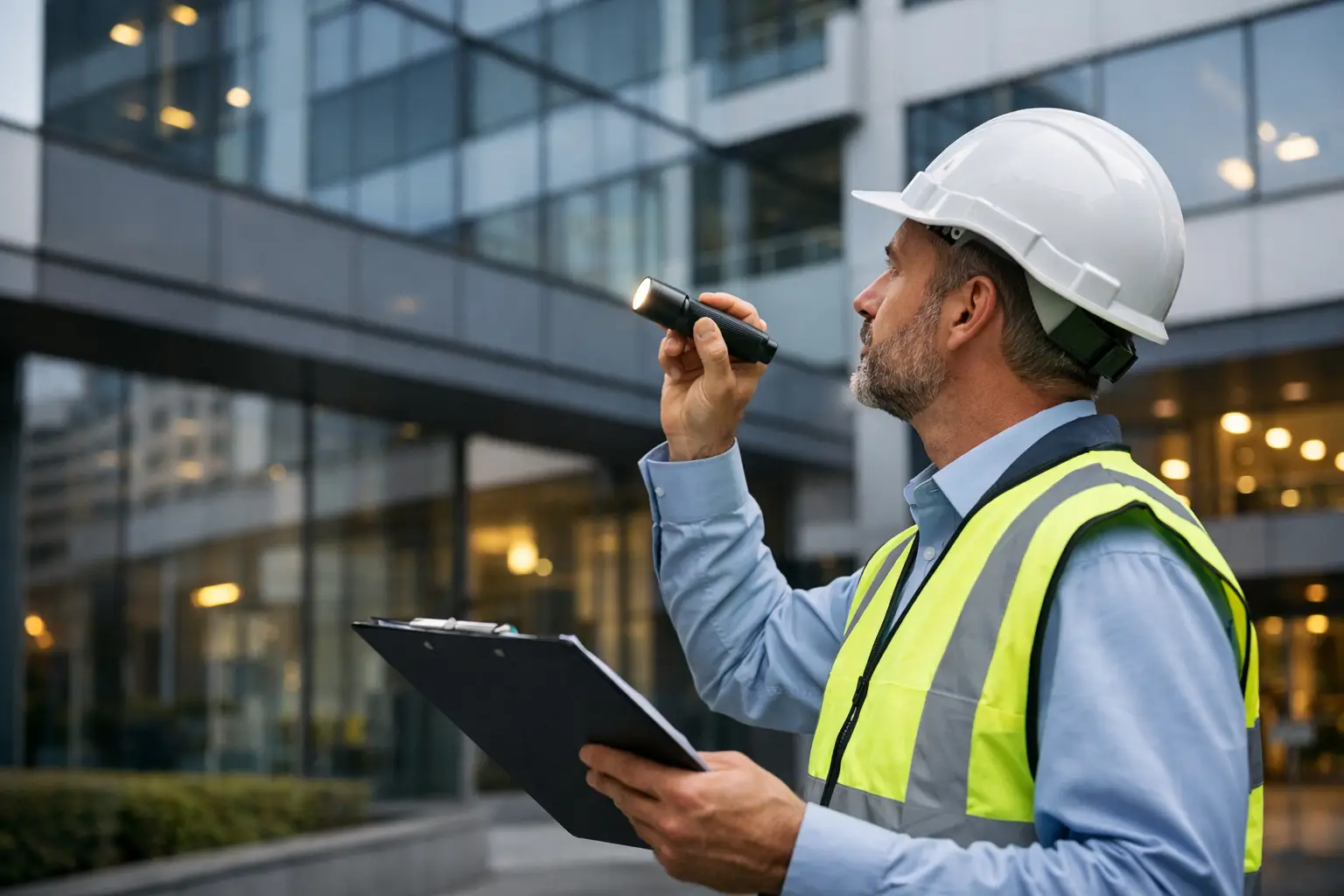
This is where expectations need to stay realistic. A commercial inspection is thorough, but it is still a visual inspection of accessible areas on the day of service.
Inspectors generally do not open walls, perform destructive testing, or guarantee future performance of systems. They are not predicting every repair the building will ever need. They are reporting observable conditions and explaining where risk appears to exist.
Some properties also require specialists. If the inspection reveals structural movement, environmental concerns, fire protection issues, elevator questions, or complex mechanical systems, additional evaluation may be appropriate. That is not a weakness in the process. It is how a sound due diligence process is supposed to work.
Who Needs a Commercial Building Inspection?
The obvious answer is buyers, but they are not the only ones who benefit.
Investors use inspections to evaluate risk before closing. Business owners use them when purchasing a building for operations. Landlords may order one before listing a property or planning capital improvements. Tenants considering a long-term lease sometimes want a clearer picture of the building condition before taking on space. Real estate agents also rely on inspections to help transactions move forward with fewer surprises.
For first-time commercial buyers, the inspection adds clarity. For experienced buyers, it adds leverage and documentation. For both, it helps keep the decision grounded in facts.
What Happens During the Inspection Process?
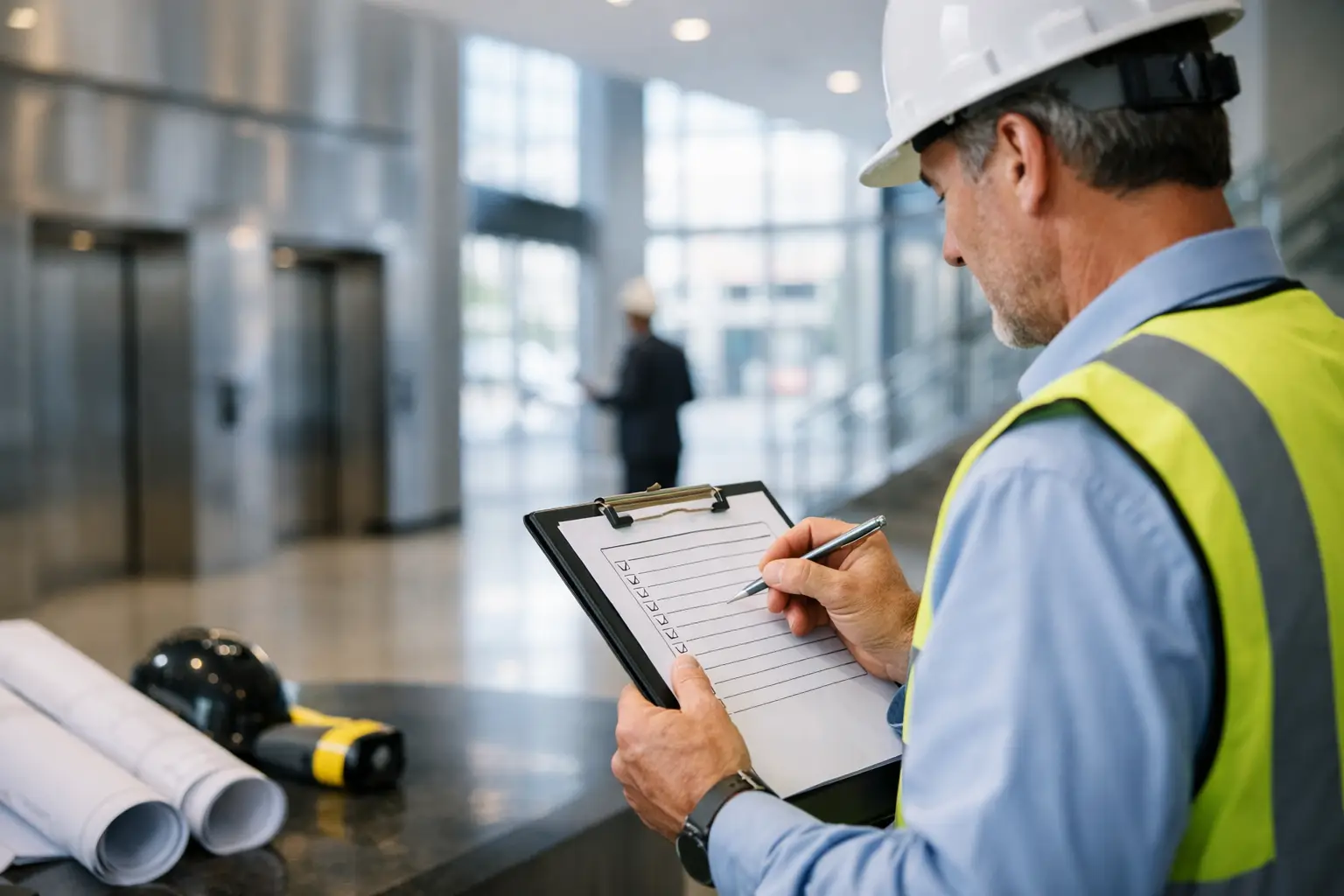
A commercial inspection usually starts with basic property information – the building type, square footage, age, occupancy, and any known concerns. From there, the inspector conducts an on-site evaluation of accessible systems and components.
The time required depends on the size and complexity of the property. A small office building is different from a multi-tenant retail property or a larger industrial space. More units, more systems, and more square footage naturally mean more inspection time.
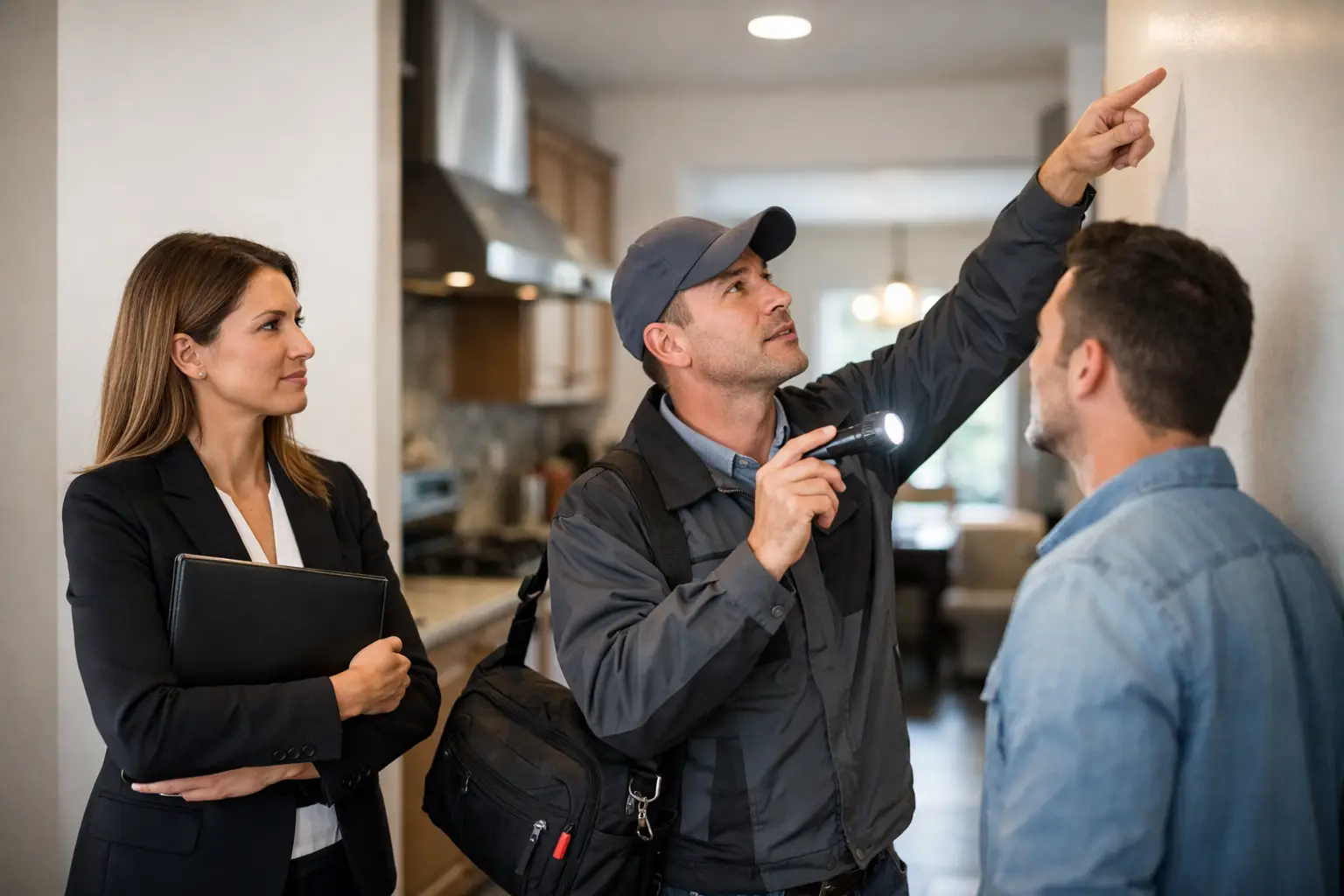
After the site visit, the findings are organized into a report. The most useful reports do not bury important defects in vague language. They explain what was observed, where it was found, and why it matters. They also help clients distinguish between routine maintenance, deferred upkeep, and issues that may affect safety or involve major expense.
For many buyers, speed matters too. A fast report turnaround can make a difference when option periods and negotiations are tight. That is one reason experienced firms like Howson Inspections place value on delivering clear findings quickly, without sacrificing accuracy.
What to Expect in a Commercial Inspection Report
A good commercial inspection report should help you answer three questions: What is wrong, how serious is it, and what should happen next?
That does not mean every item comes with an exact repair price. In many cases, further evaluation or contractor estimates are the right next step. Still, the report should give you enough clarity to understand the building’s condition and where the larger risks are located.
The most valuable reports are calm and factual. They do not exaggerate ordinary wear, and they do not soften serious issues. That balance is important in commercial real estate, where overreaction can stall a deal and underreaction can become expensive.
It Depends on the Property Type
Not all commercial inspections look the same. A small storefront, an office condo, a warehouse, a restaurant space, and a multi-unit building all have different risk profiles.
For example, a retail property may raise more questions about roof condition, storefront systems, and multiple HVAC units. A warehouse may bring more attention to slab movement, overhead doors, and electrical service. An older office building may reveal outdated plumbing materials, deferred maintenance, or aging rooftop equipment.
That is why experience matters. The inspection should match the building, not just follow a generic checklist.
How the Inspection Helps You Make a Better Decision
Sometimes the inspection confirms that the property is in generally sound condition. Sometimes it reveals enough deferred maintenance to justify negotiation. And sometimes it shows that the deal needs to be reconsidered altogether.
All three outcomes are useful.
The point of a commercial building inspection is not to make the decision for you. It is to give you better information so your decision is based on current conditions rather than assumptions, seller disclosures, or surface appearance.
When you are looking at a commercial property in the Hill Country, clarity matters more than drama. A careful inspection gives you a practical understanding of what you are buying, what may need attention soon, and where the larger financial risks may be waiting. That kind of information does not complicate a deal. It helps you move forward with your eyes open.