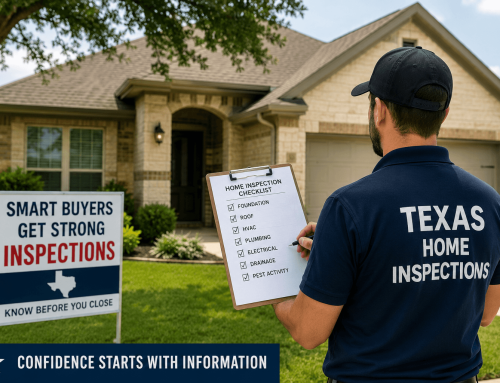

You just went under contract on a home, and now everyone is talking about the “home inspection contingency.” If this is your first time buying, it can feel like one more confusing term in a stack of paperwork. In reality, this is one of the key protections you have as a buyer.
What Is a Home Inspection Contingency?
A home inspection contingency is a clause in your purchase contract that says your offer depends on the results of a professional home inspection. In simple terms, you agree to buy the home, but only if you have a chance to inspect it and you are satisfied with what you find.
During this contingency period, you can:
- Hire a licensed inspector to evaluate the property
- Review the inspection report in detail
- Ask the seller for repairs or concessions based on the findings
- Walk away from the deal if the issues are more than you want to take on, as long as you follow the contract terms
This contingency gives you a way out, or a way to renegotiate, before you commit fully to the purchase.
How It Protects You As A Buyer
On paper, a home can look perfect. In person, it may even show well. Hidden problems often sit behind walls, under roofs, and in attics or crawlspaces. The inspection contingency gives you time and legal room to uncover those issues before you are locked in.
For Texas buyers, this protection matters even more because of common concerns like foundation movement, drainage problems, and heavy use of air conditioning systems. A solid inspection and a clear contingency give you a structured way to respond if those types of problems appear in the report.
The goal is not to “nitpick” the seller. The goal is to understand what you are buying so you can decide, with clear eyes, if the home still works for you at the agreed price and terms.
How It Affects Your Timeline And Decisions
Once you go under contract, the inspection contingency sets a clock on several important steps. You have a set number of days to complete the inspection, review the report, and decide how to move forward. That timeline affects:
- When you schedule the inspection
- How quickly you need to review the report
- When you must request repairs or changes to the contract
- When you must decide to proceed or cancel under the contingency
For a first-time buyer, this can feel fast, but it is manageable if you know what to expect. You do not need to become an expert in construction. You do need to understand what your contingency allows, what your deadlines are, and how to use this period to ask the right questions about the home.
Handled well, the home inspection contingency becomes a planning tool, not a source of stress. It helps you move from “I hope this house is okay” to “I understand this house and I am choosing it on purpose.”
How the Home Inspection Contingency Works
Once the seller accepts your offer, the inspection contingency period starts. This is a defined window of time in your contract when you can inspect the home and decide what to do with the results. Everything you do in this period needs to follow the dates and terms in your specific agreement.
When the Clock Starts and Ends
In most Texas contracts, the inspection period starts on the day after the contract is fully signed and executed. From that point, you have a set number of calendar days listed in your contract. During that time you can schedule inspections, review reports, and decide on repair requests or other changes.
Once that last day ends, your contingency protection usually becomes much more limited. If you plan to use your right to negotiate or cancel under the inspection contingency, you must do it before the deadline in writing and through the proper channels described in your contract.
Typical Steps From Offer to Inspection Completion
The process usually follows a clear sequence.
- Offer accepted and contract executed. Your agent confirms the effective date. This date drives your inspection timeline and every later deadline.
- Schedule your inspection quickly. Most buyers contact an inspector within the first [insert number] days. The earlier you schedule, the more room you have if you need a follow up or specialized inspection.
- Inspection takes place. The inspector evaluates the property, then delivers a written report within a short time frame, often within [insert number] hours.
- You review the report. You, your agent, and any other advisors decide which findings matter most to you, especially for Texas specific issues such as foundation movement or drainage.
- You decide how to respond. You can accept the home as is, request repairs, request a price or credit, or choose to cancel under the contingency.
How Many Days You Have to Act
Your contract spells out two key time frames.
- The inspection period itself. This is the total number of days you have to complete inspections and use your contingency rights. Treat this as your outer boundary.
- The time to respond after receiving the report. Some contracts give a specific number of days after you receive the inspection report to deliver your repair requests or notice of termination. In other contracts, there is only one overall deadline. Your agent should point out which structure you have.
Do not assume you can “figure it out later.” Put your deadlines on a calendar on day one. For Texas buyers, where foundation or HVAC concerns can require extra opinions, staying ahead of the timeline is one of the best ways to protect your earnest money and keep your options open.
What a Home Inspection Covers and Texas-Specific Considerations
When you use your home inspection contingency, you are not getting a quick walk through. You are paying for a systematic review of the home’s major systems and components. Understanding what inspectors look at helps you read the report with more confidence and decide what deserves attention.
Core Areas a Home Inspection Covers
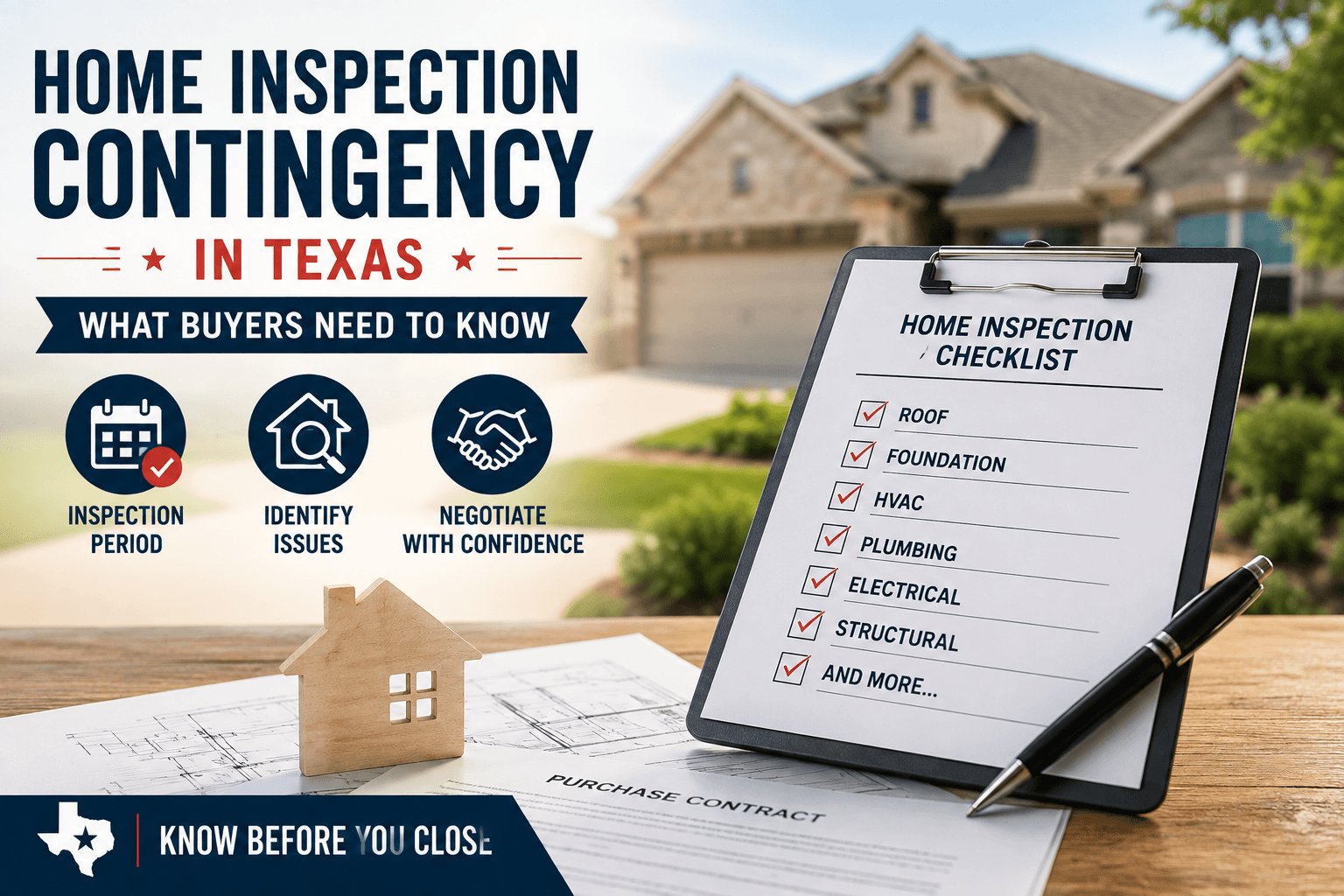
A standard home inspection in Texas typically focuses on the following areas.
- Foundation and structure. Inspectors look for signs of movement, cracking, sloping floors, doors that do not latch properly, and other indicators of possible structural stress.
- Roof and attic. They check the visible condition of shingles or other roofing materials, flashing, ventilation, and signs of leaks or prior repairs in the attic.
- Electrical system. This includes the main panel, visible wiring, outlets, switches, and safety devices such as GFCI receptacles. The goal is to identify safety concerns or aging components.
- Plumbing system. Inspectors run fixtures, look at visible supply and drain lines, water heaters, and check for leaks, corrosion, and inadequate water pressure.
- HVAC system. Heating and cooling equipment are tested in normal operating modes, with attention to age, visible condition, and basic performance.
- Interior and exterior. Walls, ceilings, windows, doors, siding, trim, and general site conditions are evaluated for damage, improper installation, or safety concerns.
The inspection is visual and non invasive. Inspectors do not open walls or perform engineering or code compliance evaluations. They identify visible issues and conditions that may need further review.
Common Texas Issues to Watch For
Texas homes face particular stresses, especially in areas with expansive clay soils and dramatic temperature swings. During your inspection, pay close attention to findings related to.
- Foundation movement. Soil that expands when wet and contracts when dry can cause settlement or movement. Your report may note cracks, brick separation, out of level floors, or doors that stick.
- Drainage and grading. Poor drainage can stress the foundation and contribute to moisture issues. Inspectors look at how water is directed away from the home through grading, gutters, and downspouts.
- Roof condition. Hail, wind, and intense sun can shorten the life of a roof covering. Look for comments about damaged shingles, patchwork repairs, or signs of past leaks.
- HVAC workload. High cooling demands can wear out systems faster. Inspectors often note age, general performance, and visible maintenance conditions so you can plan for repair or replacement.
When to Consider Specialized Inspections
Your general home inspection can reveal conditions that call for a deeper look. Under your inspection contingency, you can often schedule specialized inspections within the same time frame. Common choices for Texas buyers include.
- Foundation evaluation. If the general inspector observes notable movement or structural concerns, you may want an assessment by a qualified foundation or structural professional.
- Pest or termite inspection. Many buyers request a separate wood destroying insect inspection to check for active activity or prior damage.
- Mold or indoor air quality inspection. If there are signs of past water intrusion, musty odors, or staining, a specialist can conduct testing and further investigation.
- Roof inspection by a roofing contractor. For older roofs or when damage is suspected, a roofing contractor can provide repair estimates and discuss remaining life expectations.
Use your inspection contingency period to coordinate these extra reviews if the initial report raises concerns. A focused set of general and specialized inspections helps you understand the real condition of the home before you decide whether to accept it, renegotiate, or walk away.
Managing Inspection Results and Negotiations
Once you have the inspection report in hand, the real decision making begins. The report can feel long and technical, especially for a first time buyer, but your goal is simple. Separate the cosmetic items from the issues that affect safety, structure, or cost in a serious way, then decide how you want to respond.
Reading the Report Without Panicking
Every report will list imperfections. That is normal. Focus on three categories.
- Safety issues. Exposed wiring, missing handrails, lack of GFCI protection, or gas leaks. These usually deserve attention.
- Big ticket or major systems. Foundation concerns, roof problems, HVAC performance, significant plumbing leaks, or drainage that sends water toward the house.
- Cosmetic or maintenance items. Peeling paint, worn carpet, minor dings, or loose doorknobs. Many buyers accept these or plan to handle them after closing.
The key question is not “Is this house perfect,” but “Do these issues fit my budget, risk tolerance, and plans for the home.”
Minor Issues Versus Major Concerns
For most buyers, minor items are those you can safely live with for a while or address over time. Major issues are those that.
- Impact the structure or foundation
- Raise real safety or health concerns
- Could cost a significant amount to repair or replace
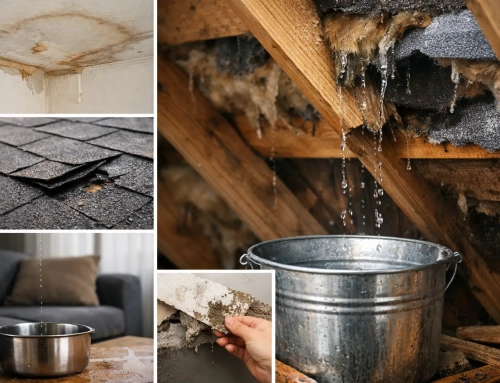
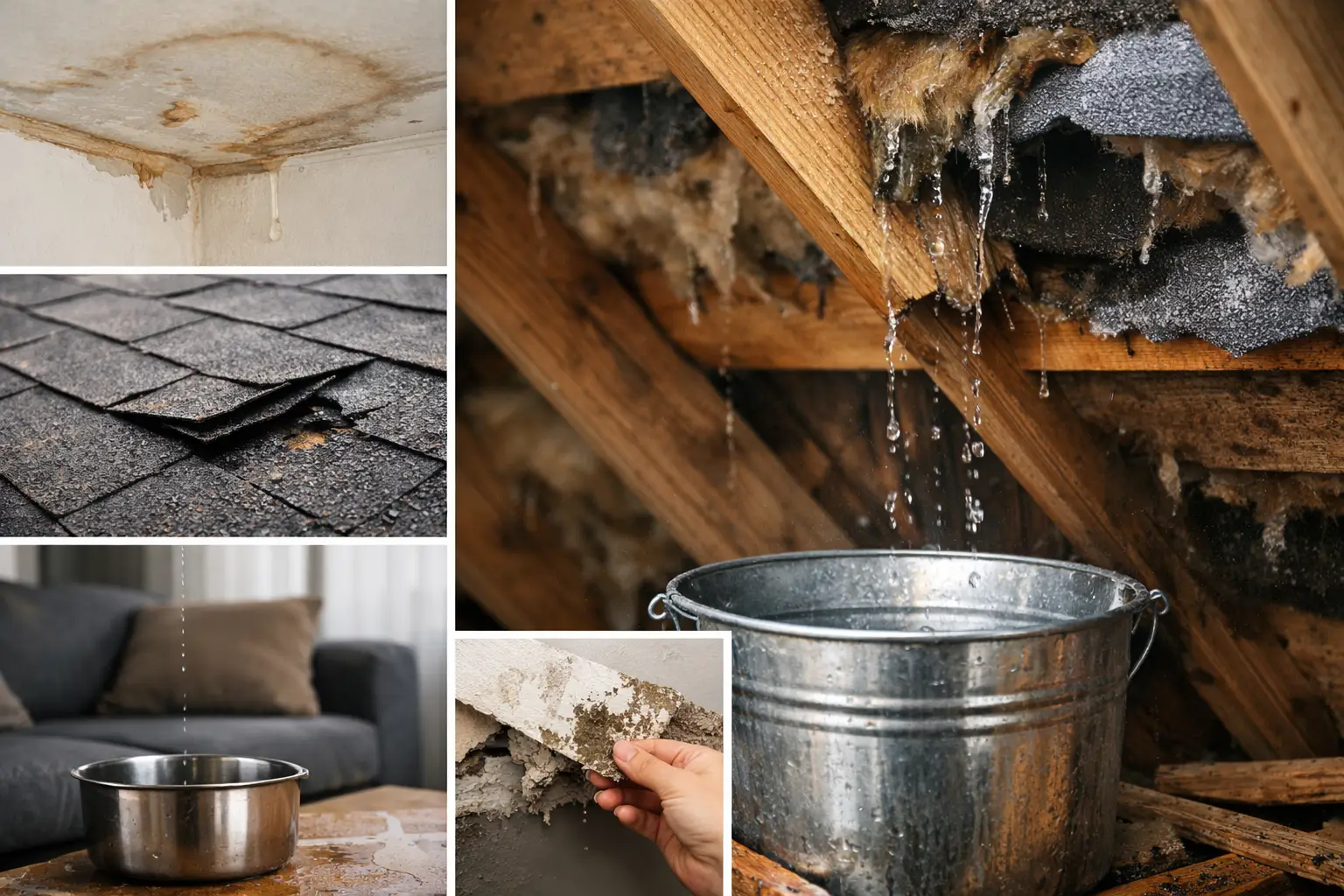
- Suggest ongoing water intrusion or poor drainage, which are common Texas problems
If you are unsure which items are major, talk with your inspector, your agent, and, when needed, a specialist such as a foundation, roofing, or HVAC contractor.
Ways to Negotiate After the Inspection
Your inspection contingency usually gives you several options, as long as you act before your deadline and follow the contract terms.
- Request repairs. You ask the seller to fix specific items before closing. This works best for safety issues and clear defects, such as active leaks or failing HVAC equipment.
- Request a price reduction or credit. Instead of repairs, you ask for a lower purchase price or a credit at closing so you can handle the work yourself after you own the home.
- Accept the home as is. You move forward without asking for changes, often when the issues are mostly cosmetic or already reflected in the price.
- Terminate under the contingency. If the inspection reveals more than you are comfortable with, you can cancel, as long as your notice is timely and in the form your contract requires.
In Texas, buyers often use a mix of repair requests and concessions when inspection findings involve foundation performance, drainage corrections, or aging HVAC systems.
What the Seller Can Say in Response
The seller also has choices.
- Agree to all of your requests
- Agree to some items and decline others
- Offer a price change instead of repairs
- Refuse to make any changes
If you and the seller reach new terms, those changes should appear in a written amendment to the contract. If you cannot agree, your inspection contingency may allow you to cancel without risking your earnest money, provided you stay within the timeline.
Repair Thresholds and “Deal Breaker” Items
Before you negotiate, it helps to set a personal framework.
- Identify your non negotiables. For example, you might decide that any active foundation movement or serious drainage issue is a deal breaker unless you receive a satisfactory specialist opinion and a clear plan for repairs.
- Group your requests. Focus on a short, prioritized list of items that matter most, rather than every small maintenance note in the report.
- Use contractor opinions. For high cost items, get written estimates during your contingency period. Those numbers can guide your repair requests or credits.
This type of structure keeps negotiations focused on the true condition of the home, not minor details.
What Happens If You Decide to Cancel
If the inspection uncovers significant problems that you are not willing to take on, you may choose to terminate the contract under your inspection contingency. When that happens.
- You must give written notice by the deadline stated in your contract
- Your agent will follow the required process for delivering that notice to the seller side
- Your earnest money is usually refundable, as long as you met every timing and notice requirement
Do not wait until the last day to make this decision. Texas buyers sometimes need extra time for foundation or HVAC evaluations, and leaving everything to the end of the contingency period can limit your choices.
Handled thoughtfully, your inspection results become a tool. They help you decide whether to accept the home as is, renegotiate the terms, or step away while you still have the contractual right to do so.
Timing and Risks: When the Inspection Contingency Expires or Is Waived
Your inspection contingency only protects you for a limited time. Once that window closes, your options change, and so does your leverage. Understanding what happens when the timeline expires, or when buyers choose to waive this protection, helps you avoid surprises with both repairs and earnest money.
What Happens When the Contingency Period Expires
When your inspection contingency period ends, several things usually occur automatically under a typical Texas contract.
- Your easy exit largely disappears. You can no longer terminate for general inspection concerns in the same simple way. You may still have other contingencies, but the inspection based “no thanks” option is much more limited or gone.
- Your negotiation power drops. Once the seller knows you are out of your inspection window, they have less reason to agree to new repair requests or credits. They understand that backing out may now cost you your earnest money.
- You accept more risk for hidden or unresolved issues. If a problem comes to light later, you may still have legal rights in certain situations, but it is usually harder, slower, and more stressful than addressing it inside the inspection period.
The contract does not usually “pause” on its own. If you let the deadline pass without clear written action, you often move forward on the original terms by default.
Earnest Money Risks When You Miss the Window
Earnest money shows the seller you are serious. Your inspection contingency is one of the main ways to protect that money if the home does not meet your expectations.
If you terminate after the inspection period has expired and you do not have another valid contract reason, you risk losing some or all of your earnest money. The exact outcome depends on your specific contract language and how both sides handle the termination notice. This is why Texas buyers are encouraged to decide, in writing, before the inspection deadline.
Requesting an Extension of Your Inspection Period
Sometimes you need more time. This can happen when you are waiting on a foundation specialist, HVAC contractor, or other Texas specific expert.
- Ask early. As soon as you suspect you will not have answers in time, talk to your agent about requesting an extension.
- Put it in writing. Any extension must be agreed to by both buyer and seller in a signed contract amendment, not just a text or verbal promise.
- Be clear about the reason and length. A short, specific request, for example an extra [insert number] days to receive a foundation report, is more likely to get a yes than an open ended delay.
If the seller refuses to extend, you face a choice. Move forward based on the information you have, or terminate before the deadline to protect your earnest money.
When Buyers Waive the Inspection Contingency
Some buyers choose to waive or shorten the inspection contingency to look more attractive to a seller. This can happen in competitive markets where multiple offers are common.
Buyers may waive or limit the contingency when they.
- Plan major renovations and feel less concerned about existing conditions
- Have significant reserves set aside for repairs
- Believe the home is newer or appears well maintained
- Want to stand out against other offers with stricter contingencies
Risks of Waiving or Shortening Your Protection
Giving up or shrinking your inspection contingency increases your risk, especially in Texas where foundation and drainage issues can be expensive.
- Less information before you commit. You may miss warning signs that a standard inspection would have flagged, such as subtle foundation movement or early roof wear.
- Limited room to negotiate later. If you discover problems after your shortened period, the seller may have no obligation to adjust price or repairs.
- Higher chance of unexpected costs. Large items like HVAC replacement or drainage corrections can strain your budget if you did not plan for them.
If you are a first time buyer, think very carefully before waiving this contingency. A well used inspection period is often the difference between a home that fits your long term plans and a property that drains your savings with surprise repairs.
Practical Tips for Navigating Your Home Inspection Contingency Period
Once you are under contract, the inspection contingency period moves fast. A few smart moves can help you get clear answers about the home without adding unnecessary stress.
Hire the Right Licensed Inspector
Your inspector is your primary set of trained eyes. Choose carefully.
- Verify licensing. In Texas, inspectors must hold a current license. Ask for the license number and confirm it is active.
- Look for local experience. Inspectors who work regularly in your part of Texas tend to recognize common patterns, such as local soil conditions or typical roof wear.
- Ask what the inspection includes. Confirm they follow Texas standards of practice and that you will receive a written report with photos.
- Schedule early. Contact inspectors as soon as your contract is executed so you have time for any follow up visits.
Attend the Inspection in Person
You do not need to climb on the roof, but you should plan to be there for at least part of the inspection.
- Walk the property with the inspector near the end of the visit
- Ask for plain language explanations of any concerns
- Have the inspector show you main shutoffs, filters, and access points
The report is important, but a walkthrough conversation often makes the findings much easier to understand.
Document Everything Clearly
Good documentation supports smoother negotiations and fewer misunderstandings.
- Keep all inspection reports and specialist opinions together in one folder
- Highlight or list the items that matter most to you, such as foundation or HVAC notes
- Use the report’s exact wording when you request repairs or credits
Clear reference to the report helps both sides stay on the same page during repair discussions.
Consult Professionals for Texas Specific Issues
For certain findings, a specialist opinion is worth the time.
- Foundation concerns. If your inspector notes notable movement, consult a qualified foundation or structural professional during the contingency period.
- Drainage and grading. For water ponding or slope issues, speak with a contractor who handles drainage improvements.
- HVAC performance. In a climate with heavy cooling use, a separate HVAC evaluation can help you understand remaining useful life and likely repair costs.
Use a simple framework. If a problem could be expensive, unsafe, or hard to fix later, get a second opinion before your deadline.
Understand How Your Choices Affect Earnest Money
Your inspection contingency is closely tied to your earnest money.
- Know the exact last day of your inspection period and write it down
- Make repair requests or a decision to cancel in writing before that deadline
- Confirm with your agent how termination works under your specific contract so your earnest money is protected
If you wait until after the contingency expires, you may lose the simple option to walk away and keep your earnest money.
Communicate Clearly With Your Agent and the Seller
Good communication keeps the process calm and predictable.
- Tell your agent early about your top concerns, such as foundation or HVAC
- Share the full report with your agent so repair requests match the findings
- Keep your initial repair or credit requests focused on safety, structure, and high cost items
- Have all agreements documented in signed contract amendments, not just emails or text messages
When you stay organized, ask clear questions, and use specialists where needed, your inspection contingency period becomes a structured review instead of a scramble. It gives you the information you need to decide if this Texas home fits your budget, comfort level, and long term plans.
Conclusion: The Value of a Home Inspection Contingency
A home inspection contingency gives you something every buyer wants, clear information and real choices before you commit. It ties together financial protection, negotiation power, and peace of mind, especially in a state like Texas where foundations, drainage, roofs, and HVAC systems face extra stress.
From a financial standpoint, the contingency protects two things. It helps you avoid taking on more repairs than your budget can handle, and it creates a clear path to keep your earnest money if you decide the home is not the right fit within the agreed timeline. Instead of guessing about hidden issues, you use the inspection period to identify potential costs and decide whether the home still makes sense at the current price.
On the negotiation side, the inspection report becomes your roadmap. You are not arguing based on opinions. You are working from documented findings. That allows you to request targeted repairs, ask for a price adjustment or credit, or accept the property with a clear plan for future projects. In many Texas transactions, that might mean focused conversations about foundation performance, grading and drainage, roofing condition, or the age and performance of the HVAC system.
Most important, the contingency supports confident decision making. First time buyers and experienced buyers alike can feel overwhelmed by technical details. A structured inspection process, clear deadlines, and guidance from your inspector and agent turn that information into simple choices. Accept as is, renegotiate, or walk away within the terms of your contract.
The real value of a home inspection contingency is control. You control how deeply the property is evaluated, how you respond to what you learn, and whether you stay in the contract. If you use this period fully, schedule inspections early, get specialist input for Texas specific concerns, and keep everything in writing, you greatly reduce the chance of expensive surprises after closing.
As you move through your inspection contingency period, treat it as your chance to slow down, ask questions, and make sure this home fits your budget, comfort level, and long term plans. An informed “yes” is always better than a rushed one.