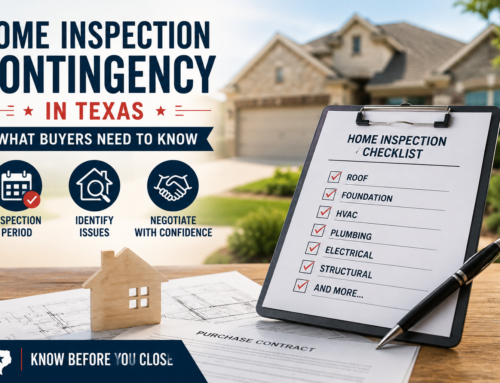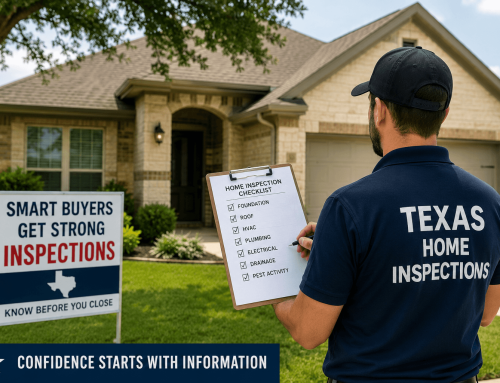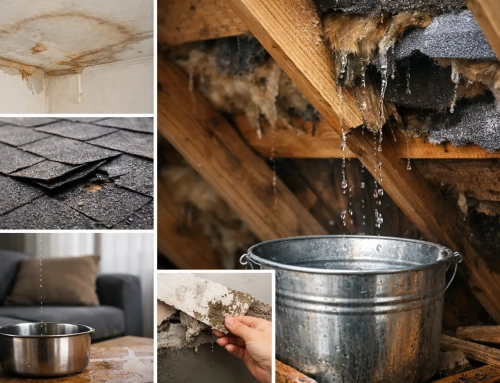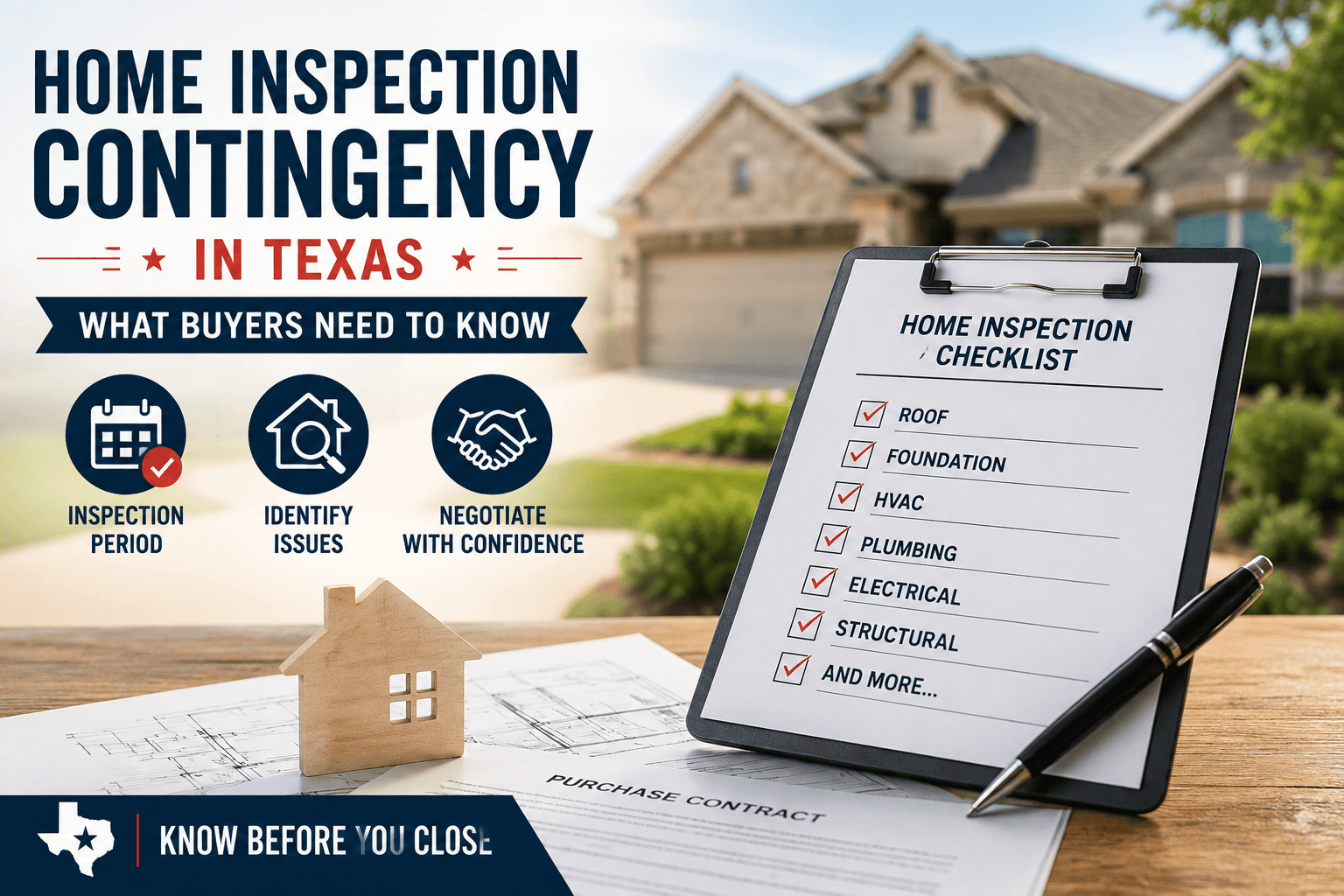

When you are getting ready to buy a property, a professional home inspection is one of the most important steps you can take to protect yourself and your investment. It gives you a clear, practical look at what you are buying so you can make decisions with confidence instead of guesswork.
Who Needs a Home Inspection?
A professional inspection is important for more than just the buyer’s name on the contract. It matters for anyone with a stake in the property, including:
- Home and investment buyers who want to understand what they are really getting for their money.
- Family members or friends who are advising a buyer and want reliable information to guide them.
- Real estate agents who need accurate details to help clients negotiate and avoid surprises.
- Investors and landlords who must budget for repairs, maintenance, and future improvements.
- Property managers or decision makers responsible for the long term safety and condition of the building.
If you are helping choose a property or are responsible for its performance, you benefit from a clear, professional inspection report.
Why Inspection Is a Critical Step in Any Property Deal
On the surface, a property can look move in ready. Fresh paint, new flooring, and clean landscaping can hide aging systems or unnoticed defects. Without a proper inspection, buyers and influencers often worry about:
- Hidden safety issues, such as electrical concerns or structural movement.
- Unexpected repair costs that appear soon after closing.
- Moisture or drainage problems that can lead to long term damage.
- Outdated or improper work from past renovations.
- Buying a “money pit” that constantly needs expensive fixes.
A professional inspection addresses those concerns by providing a systematic review of the home’s major systems and components. At Howson Inspections, for example, we focus on giving you practical, easy to understand information, not just a list of problems. You can read more about what inspectors look for in our guide on what to expect from the home inspection process.
Inspections reduce uncertainty and guesswork.
Once you have a clear report in hand, you can:
- Decide whether the property still fits your goals.
- Plan for repairs and maintenance using real findings, not assumptions.
- Use the information in negotiations through your real estate professional.
- Walk away from a property that carries more risk than you are comfortable with.
Instead of hoping everything is fine, you know where the property stands. That clarity is what helps protect your money, your time, and your peace of mind as you move toward closing.
Key Components of a Comprehensive Property Inspection
When you schedule a professional home inspection, you are paying for a systematic look at the property’s major systems and how well they are performing together. You are not just checking boxes. You are asking one key question: What am I really buying here?
Structural Elements
The structure supports everything else in the home. During an inspection, you can expect a careful look at:
- Foundation and grading, to spot signs of movement, cracks, or poor drainage.
- Framing, such as visible beams, posts, and floor structures for sagging or damage.
- Walls, ceilings, and floors, for cracks, uneven areas, or signs of moisture.
You want clear comments on what is normal aging and what may point to a larger structural concern that needs further evaluation.
Roofing and Exterior
Your roof and exterior protect the home from the elements. Inspectors typically review:
- Roof covering, looking for wear, damaged materials, or poor installation.
- Flashing, gutters, and downspouts, to see how water is directed away from the home.
- Siding, trim, and exterior openings, checking for gaps, damage, or decay.
You should expect notes on remaining life estimates as a general opinion, areas vulnerable to leaks, and any visible repairs that may be needed.
Electrical, Plumbing, and HVAC Systems
These systems have a big impact on safety, comfort, and long term costs.
- Electrical inspections look at panels, visible wiring, outlets, and fixtures for issues such as outdated components, damage, or unsafe conditions. For more detail on this area, you can review our resource on electrical system inspections.
- Plumbing checks focus on visible supply and drain lines, fixtures, water heaters, and signs of leaks or past water damage.
- HVAC evaluations consider the condition of heating and cooling equipment, air distribution, and basic operation using normal controls.
Your report should clearly separate routine maintenance items from concerns that may affect safety or comfort.
Health and Safety Hazards
A thorough inspection also watches for conditions that may put people at risk, such as:
- Improper handrails or guardrails.
- Trip hazards at stairs, decks, or walkways.
- Evidence of moisture intrusion that could support mold growth.
- Missing or non functioning smoke and carbon monoxide alarms.
You should walk away with a prioritized list.
A solid inspection does more than point out flaws. It helps you understand which items affect safety, which may be costly, and which are normal maintenance so you can decide how to move forward with confidence. If you want a broader overview of what inspectors review across the home, you may find our guide on complete home inspections helpful.
How Howson Inspections Delivers Real Value For Your Decision
When you choose Howson Inspections, you are not just getting a quick walk through and a stack of photos. You are getting a careful, methodical evaluation from inspectors who take your investment seriously and know how to explain what they see in plain language.
Experienced Inspectors Who Focus On You
Home and property inspections are our everyday work, not a side service. Our inspectors bring hands on field experience, a strong understanding of building systems, and a clear process that keeps your goals in mind.
- We look at the property as a whole, not just a list of parts.
- We explain what we see in practical terms so you understand how issues may affect safety, comfort, or cost.
- We welcome your questions, before, during, and after the inspection.
If you want to know more about our background and approach, you can visit our about us page.
A Thorough, Structured Inspection Process
Our inspections follow a consistent system so important areas do not get skipped. We move through the property in a logical order, inside and out, and document what we find with photos and clear notes.
- Major systems and components are reviewed for current condition and visible defects.
- Safety concerns are flagged clearly so you can prioritize them.
- Maintenance items are noted so you know what to budget for after closing.
You are never left guessing why something matters or whether it is minor or more significant.
Advanced Tools Used With Good Judgment
We use appropriate tools and technology to support what we see with trained eyes. The tools help us confirm or clarify conditions, but experience guides the interpretation. You receive observations that are grounded in both visual inspection and informed evaluation, not just gadget readings.
Clear, Actionable Reporting That Supports Decisions
Your inspection report should help you make a decision, not overwhelm you. Our reports are organized, photo rich, and written in everyday language.
- Findings are grouped by system, so you can focus on one area at a time.
- Safety, big ticket, and maintenance items are easy to tell apart.
- Plain language comments explain what we saw and why it matters.
This structure gives you a practical tool you can use with your agent, your contractor, or your financial advisor when you decide whether to move forward, renegotiate, or walk away. If you are comparing services, our main inspection services page outlines how we approach different types of properties.
Navigating The Home Inspection Process With Confidence
When you know what to expect from inspection day, it feels less stressful and much more productive. You can move from feeling unsure to feeling prepared and in control of your decision.
Step 1: Prepare Before Inspection Day
If you are the buyer or helping a buyer, your job starts before the inspector arrives. Use this simple checklist:
- Confirm access, make sure the seller or agent arranges access to all areas, including attic, crawlspace, garage, and outbuildings if they are part of the sale.
- Gather your questions, write down concerns about age of systems, past repairs, or anything that looked odd during your showings.
- Review your contract timelines, know your inspection period and when you need the report to keep negotiations on track.
If you want a deeper prep list, our guide on how to prepare for a home inspection walks through helpful steps.
Step 2: Make The Most Of Inspection Day
You do not have to crawl in the attic, but it helps if you are present for at least part of the inspection. Here is how to use that time well:
- Arrive toward the middle or end, this gives the inspector time to get oriented and then walk you through key findings.
- Ask focused questions, such as what affects safety, what affects comfort, and what may be costly.
- Listen for priorities, not perfection, every property has a list of issues, your goal is to understand which items matter most for your plans and budget.
Stay curious, but let the inspector keep a steady pace so nothing gets rushed or skipped.
Step 3: Reading And Using Your Inspection Report
When your report arrives, set aside quiet time to read it. A good approach is:
- Scan the summary section for big picture issues.
- Mark items that relate to safety, water intrusion, or major systems.
- List questions you want to review with your inspector or agent.
For extra guidance, you can use our resource on how to read inspection report results as a framework.
Step 4: Turning Findings Into Decisions And Negotiations
Your report is a decision tool, not a pass or fail grade. Work with your real estate professional to:
- Prioritize repairs, separate safety and major cost items from routine maintenance.
- Decide on your approach, request repairs, ask for concessions, adjust your offer, or walk away if the risks feel too high.
- Plan for ownership, even if you move forward as is, use the report as a roadmap for future maintenance and upgrades.
When you stay engaged, ask clear questions, and focus on priorities, the inspection process becomes a powerful way to protect your investment and choose the property that truly fits your goals.
Protecting Your Property Investment Beyond The Inspection
Your inspection report is not just for negotiations. It can become a long term guide to protect your property, your budget, and your peace of mind. When you treat the report as a maintenance roadmap, you stay ahead of problems instead of chasing emergencies.
Turn Your Report Into A Maintenance Plan
After closing, pull your inspection report back out and look at it with fresh eyes. You can sort the items into three simple groups.
- Safety and urgent items, such as electrical hazards, active leaks, or damaged steps and railings.
- Near term maintenance, items that are functioning but showing wear, such as aging roofing materials, older HVAC equipment, or minor plumbing issues.
- Long range planning, components that are older or less efficient but not immediate concerns, such as original windows or older water heaters.
This turns a long list of findings into a clear plan for your first [insert time frame] of ownership and beyond.
How To Prioritize Repairs And Improvements
When everything feels important, nothing gets done. Use a simple priority framework so you can take action without feeling overwhelmed.
- Start with safety. Anything that could hurt someone or create fire, fall, or health risks goes to the top of the list.
- Address active water issues. Leaks and poor drainage can quietly damage framing, finishes, and foundations.
- Protect major systems. Budget for maintenance or upgrades to roofing, HVAC, electrical, and plumbing before they fail.
- Plan comfort and efficiency upgrades. Improvements such as better insulation or updated windows can be scheduled once the higher priority items are under control.
If you want a structured checklist for ongoing care, you may find our article on seasonal home inspection and maintenance tips helpful as a template.
The Long Term Benefits Of Staying Proactive
Consistent maintenance protects far more than the building itself.
- You reduce surprise expenses, because you are watching known concerns instead of waiting for a failure.
- You support property value, since buyers and tenants respond well to a home or building that is clearly cared for.
- You extend the life of key components, such as roofs, HVAC systems, and exterior finishes, through timely repairs and service.
- You protect health and safety, by keeping alarms, railings, ventilation, and moisture control in good working order.
Your inspection is the starting line, not the finish.
If you are unsure where to begin or want a fresh evaluation after a major storm, renovation, or change in use, you can always schedule a new visit through our inspection scheduling page. A clear picture of current conditions, paired with steady maintenance, is one of the best ways to protect your investment for the long run.
Common Questions And Concerns About Home Inspections Answered
When you are in the middle of a property purchase, it is normal to have a lot of questions about home inspections. You want to know what you are paying for, how long everything takes, and what happens if the report is tougher than you hoped. Let us walk through the questions we hear most often.
How Much Does A Home Inspection Cost?
Inspection pricing depends on factors such as property size, type, age, and any extra services you request. The key is to look at value, not just the lowest number. A careful inspection can help you avoid repair surprises that cost far more than the inspection itself.
If you want to see how pricing can vary by service type, you can review our overview on inspection pricing and services as a reference point.
When Should I Schedule The Inspection?
Most buyers schedule inspections after the contract is signed and within the inspection period written into that agreement. You want enough time to complete the inspection, receive the report, ask questions, and decide on any repair or negotiation requests before your deadline expires.
Many buyers use a simple rule. Once the contract is signed, they reach out to an inspector as one of the first calls so dates do not get tight. For more timing tips, our resource on when to schedule an inspection can help you map out the steps.
What Does The Inspection Include, And What Does It Not Include?
A standard home inspection is a visual evaluation of the property’s major systems and components. That typically includes structure, roofing, electrical, plumbing, heating and cooling, interior, exterior, and visible safety concerns. Inspectors report on what they can see and reasonably access on the day of the visit.
Inspections do not predict the future or guarantee that systems will never fail. They also do not usually include destructive testing, specialty engineering opinions, or items that are concealed or inaccessible. If you have specific concerns such as specialized systems or environmental testing, ask ahead of time so you understand what can be included and what may need a separate specialist.
What If The Inspection Report Is “Bad”?
This is one of the most common fears. You worry that a long list of findings will sink the deal or force you into a property that feels risky. A clear report, even with plenty of issues, is a tool for decision making, not a verdict on whether you should love or hate the house.
Here is how to approach a tough report:
- Sort items by priority such as safety, active water issues, and major cost items.
- Discuss options with your agent including repair requests, concessions, or price adjustments.
- Call your inspector with questions so you understand what is urgent and what is manageable over time.
Sometimes a detailed report gives you leverage to negotiate. Other times it confirms that walking away is the right move for your budget and comfort level. Either way, the inspection protects you from going in blind.
Your questions are welcome at every step.
If something about the inspection process still feels unclear, reach out directly through our contact page. A short conversation can often turn confusion into a clear next step for your purchase or investment.